Did you know that in 2024, over 60% of new pop-up retail concepts featured ISO shipping containers as their core structure? This remarkable statistic highlights how a simple freight container, originally designed for global shipping logistics, is now shaping the most dynamic trends in architecture, retail, and urban planning for 2025. From bustling event spaces to cozy tiny homes, ISO shipping containers are transcending their original roles as storage containers to become the backbone of creative, sustainable, and rapidly deployable spaces. In this guide, you’ll discover how modern businesses, designers, and communities are leveraging the versatility of these standardized giants—and why experts at ManCo Rentals & Sales are pioneering the next frontier of container-based solutions.
A New Horizon: How ISO Shipping Containers Are Reshaping Modern Spaces
“Did you know that in 2024, over 60% of new pop-up retail concepts featured ISO shipping containers as their core structure?”

ISO shipping containers are no longer just the backbone of the global supply chain—they’re a driving force behind the future of design and construction. In cities and towns worldwide, iso shipping containers are popping up as retail showrooms, modular office spaces, trendy cafes, and even eco-friendly micro-homes. Their rise is powered by their inherent durability, rapid scalability, cost-effectiveness, and alignment with sustainability goals. No wonder innovative businesses, event organizers, and civic leaders all see these iso containers as the building blocks of the next generation of spaces.
The transformative potential of iso shipping containers in 2025 is unmissable. Whether you’re eyeing a flexible pop-up shop, a stackable event pavilion, a modern office suite, or affordable housing, ISO shipping containers offer a modular, portable platform that blends technology and sustainability. With flexible container types like dry freight, high cube, and flat rack containers, and advanced customization from providers like ManCo Rentals & Sales, organizations can rapidly deploy fully functional, branded environments anywhere. This move toward container-based construction not only underscores new architectural possibilities but also answers the call for greener, more flexible infrastructure.
What You’ll Learn About ISO Shipping Containers
Key characteristics of iso shipping containers and their versatility
Comparisons among iso container, shipping container, and intermodal container types
Innovative real-world applications forecasted for 2025
Professional insights on design, transport, and customization
How to secure and modify iso containers for your project
Defining the ISO Shipping Container: International Standards and Core Concepts
What does ISO stand for in shipping containers?

The term ISO in iso shipping containers refers to the International Organization for Standardization, the global body that sets the standards for sizing, quality, and safety. These standards ensure that containers, whether a 20-foot dry freight container or a 40-foot refrigerated unit, can be safely stacked on a container ship, loaded on trucks or trains, and handled by cranes from ports in Shanghai to ports in Rotterdam. An iso container’s adherence to iso standard dimensions and engineering means seamless transit through the intermodal freight system—cutting costs, errors, and transit delays for shippers and builders alike.
By standardizing every structural element—from corner castings to locking mechanisms—ISO shipping containers have become the “universal language” of global trade and modern construction. This means you can source a standard iso container for your project with confidence, knowing it will fit existing infrastructure and offer robust protection for any contents or occupants. Iso containers are meticulously inspected and certified, which also means when you repurpose one for use beyond cargo—like an event space or café—safety and regulatory compliance stay streamlined, no matter your location or goal.
What is an ISO type container?
An ISO type container is any maritime container built and certified to unified international standard specifications set by the International Organization for Standardization. These include precise measurements for length, width, and height (the standard size for a 20-foot or 40-foot container), corrosion resistance, stacking ability, and load-bearing strength. From a dry freight container for bottled water to insulated refrigerated containers for fresh produce or medicine, each iso shipping container can be identified by a specific ISO code—a sort of “container passport” used around the world.
ISO type containers come in several variants: standard dry, high cube containers for tall or modular structures, flat rack containers for oversized cargo, and open top containers for awkward loads. Their compatibility allows you to combine or customize them for everything from office pods to innovative living solutions. Every shipping container marked with an ISO code can be trusted to deliver durability, portability, and adaptability, unlocking new opportunities in construction, logistics, and design.
Differentiating ISO Containers: Types, Standards, and Key Features
What is the difference between ISO and conex containers?

The key difference between ISO and conex containers comes down to standardization and use case. Conex containers were originally designed by the U.S. military during the mid-20th century and predate the universal acceptance of ISO standards. While both types are rugged steel boxes for cargo or storage, conex containers were mainly used in military supply chains and often lack the strict dimensional precision, corner castings, and universal stacking systems found in modern iso shipping containers.
By contrast, all iso containers meet rigorous international standard requirements, facilitating seamless transfer across container ships, trucks, and trains worldwide. This interoperability is essential for commercial, retail, and construction projects where scalability, compliance, and rapid deployment are critical. In short, while a conex box might serve as a basic storage container or quick shelter, an ISO shipping container offers the proven platform for integrated logistics, customization, and creative construction worldwide.
What is the ISO code for a 40ft container?
Container Type | ISO Code | Dimensions (ft) | Typical Use |
|---|---|---|---|
Standard Dry Freight Container | 20GP, 40GP | 20, 40 | General cargo |
Refrigerated Container | 20RF, 40RF | 20, 40 | Perishables |
Flat Rack Container | 20FR, 40FR | 20, 40 | Heavy machinery |
High Cube Container | 40HC | 40 | Tall goods, modular structures |
Open Top Container | 20OT, 40OT | 20, 40 | Bulk cargo |
The ISO code for a standard 40ft container is 40GP for a dry freight unit and 40HC for a high cube variant. This code allows shippers, builders, and suppliers to identify at a glance the exact specification, ensuring proper fit and handling across the supply chain or construction site. Knowing your container’s ISO code is essential for everything from design planning to site preparation, so always check for compliance when sourcing your next iso shipping container.
Core Benefits of ISO Shipping Containers for Creative Construction
Adherence to iso standard dimensions and quality
Interoperability for international shipping
Stackability and modularity for construction (cube containers and high cube options)
Wide array of types: dry freight, refrigerated, flat rack, and more
ISO shipping containers are winning the future of creative construction due to their unbeatable combination of durability, modularity, and flexibility. Their strict adherence to iso standard means you can stack, join, and customize any number of containers—turning them into spacious high cube homes, multi-story event pavilions, or rapid-deploy pop-up shops. Freight container types such as dry freight, refrigerated, and flat rack allow for specialized uses, from restaurants and art studios to medical labs or music venues, all while maintaining the capacity for global transport or relocation.
The modular design of iso containers is a game-changer for agile businesses and organizations. Using cube containers, a project can grow or shrink with demand, and modifications like windows, doors, HVAC, or branding can be added without compromising the container’s strength. ISO shipping containers are not only more cost-effective and faster to deploy than conventional construction—their interchangeability means you can easily expand, repurpose, or move your structure as your needs evolve.
How ISO Containers Meet Modern Sustainability Goals
“Reusing intermodal containers reduces construction waste by up to 75% compared to traditional building methods.” – Sustainability Journal 2024

Sustainability is more than a buzzword—it’s a proven advantage of iso shipping containers in creative construction. Repurposing containers cuts down on new material consumption and limits demolition waste. These intermodal containers are already engineered for decades of rugged life in the shipping industry, so transforming them into homes, shops, or offices means extending their functional lifespan instead of sending massive steel boxes to the scrapyard. New builds using iso containers often incorporate energy-efficient insulation, solar panels, and green roofs for net-positive performance.
The impact is measurable: projects that use intermodal freight containers report sharply reduced environmental footprints and expedited timelines. Key partners like ManCo Rentals & Sales make sustainability a strategic priority by sourcing select containers, offering eco-friendly retrofits, and ensuring that every container-based construction is as efficient—and green—as possible for 2025 and beyond.
Pop-Up Retail and Iso Shipping Containers: The Future of Experiential Shopping
Case Study: ISO Shipping Container Pop-Up Shops
Pop-up retail is all about speed, novelty, and marketing punch, and iso shipping containers provide the perfect platform. In downtown districts and high-traffic plazas, brands are moving beyond conventional brick-and-mortar with storefronts built from shipping containers. The architecture is unmistakable—industrial-chic, adaptable, and instantly recognizable. Retailers benefit from rapid setup, flexible layouts, and the ability to quickly relocate or rebrand their pop-up as marketing needs evolve.
For example, in 2024 several global brands used stacked cube containers to launch immersive pop-up experiences, complete with glass facades, rooftop lounges, and integrated digital signage. Their secret? Every component—walls, doors, electricity, and climate control—was prefabricated offsite and delivered using standard ISO shipping container locking systems. The result: a fully functional retail environment ready to host customers within days instead of weeks or months.
Design Features: From Dry Containers to Gas-Tight Showrooms
Portability for high-traffic urban or event areas
Rapid setup and breakdown (using standard iso shipping container locking systems)
Custom branding and modular expansions (foot containers in varying sizes)
The creative potential of iso shipping containers in pop-up retail extends to every facet of design and logistics. A dry container forms the base, but retailers now custom-fit their units with glass walls, integrated lighting, climate control, and security features. Some even use gas-tight container types for high-value items. Because these containers meet iso standard dimensions, multiple foot containers can be connected to create larger stores, storage backstage areas, or even rooftop bars. The end result is eye-catching, profitable, and unforgettable.
Watch:Video Tour: Three Inspiring ISO Shipping Container Pop-Up Retail Designs
Modular Offices: Reimagining Workspaces with ISO Shipping Containers
End-to-End Customization: Windows, HVAC, and Mezizanne Additions

The post-pandemic landscape has shown businesses that flexible, modular office spaces are invaluable—and iso shipping containers are leading the way. Providers like ManCo Rentals & Sales offer container offices custom-outfitted with everything from floor-to-ceiling windows to advanced HVAC systems and cut-in mezzanines for extra square footage. Thanks to the intermodal container framework, offices can be built offsite, delivered fully equipped, and even stacked to form multi-level work environments.
Modularity unlocks endless possibilities: conference rooms, private offices, coworking pods, and lounge spaces—all integrated within standard foot containers. Container offices make it practical to add, remove, or reorganize units as business needs change. Want sunlit breakout zones or open-plan collaboration spaces? Start with a high cube container for added height and comfort, and let expert installers manage the rest.
Advantages Over Traditional Construction: Cost, Speed, and Scalability
Rapid deployment with minimal foundation work
Expandable with multiple iso containers (cube containers)
Energy efficiency with advanced insulation in standard dry and refrigerated containers
Compared to traditional building, iso shipping container offices slash construction costs, shrink project timelines, and offer unmatched scalability. There’s no waiting for pour-and-frame construction—container-based modules can be placed directly on prepared pads, with setup completed in a fraction of the time. With high cube containers, you get headroom for lofts or plant-filled atriums. Add smart insulation, LED lighting, and ventilation, and your new workspace is not only fast and flexible but energy efficient too.
Tiny Homes & Emergency Housing: Residential Applications of ISO Shipping Containers
High Cube Containers for Spacious Living

High cube containers are 9.5 feet tall—about a foot higher than standard containers—which makes them the foundation for the new wave of comfortable, affordable tiny homes. Urban communities and housing advocates are turning to iso shipping containers to create vibrant micro-housing with all the amenities: panoramic windows, modern facades, efficient kitchens, and built-in solar. The added height of cube containers means room for sleeping lofts, tall closets, or mini-offices—features key to long-term comfort.
The adaptability of high cube foot containers also allows for creative stacking and joining of units, enabling developers to quickly scale from single-family units to multi-level apartment blocks or emergency shelters. For city dwellers and displaced families alike, the speed and affordability of container-based homes provide real hope in addressing housing shortages. Plus, every recycled freight container gives a second life to steel, roofing, and framing that would otherwise go to waste.
Sustainable and Affordable Solutions for Urban Dwellers
Single and multi-container designs
Fully plumbing- and energy-ready
Custom facades and finishes (iso containers adapted to reflect local aesthetics)
Rapid response for disaster relief and emergency shelters
ISO shipping containers hit the sweet spot of affordability, sustainability, and speed—crucial for both urban infill projects and urgent disaster relief efforts. Single-unit homes deploy in days, with basic hookups for plumbing, electricity, and wifi, while larger arrays allow for community kitchens, clinics, or storage containers for goods. Adaptable finishes and cladding help iso containers blend into any neighborhood. For emergency housing, iso standard construction means even fields or parking lots can become safe, weatherproof villages within a week.
Event Spaces & Exhibition Halls: ISO Containers on the Move
Freight Containers as Dynamic Venues

Festivals, exhibitions, and pop-up events demand venues that are fast to build, secure, and visually striking. Freight containers meet the mark as dynamic, stackable event structures. Organizers worldwide are stacking, bridging, and customizing containers into jaw-dropping open-air stages, multi-level lounges, and mobile showrooms. With intermodal container compatibility, these venues can hit the road, being disassembled, moved, and reassembled wherever needed.
The rugged steel build of iso shipping containers gives peace of mind: events stay operational in all weather, with secure storage built right in. Modular units mean stages and sponsor booths can expand or contract based on expected foot traffic—saving budget and hassle, while delivering “wow” layouts that keep crowds engaged and sponsors satisfied.
Standard Dimension Layouts That Wow Guests
Temporary pavilions for sports, concerts, and brand activations
Stackable modules for multi-level experiences
Freight containers as secure and weather-proof venues
With their standard dimensions, shipping containers make planning event layouts a breeze. You can quickly calculate capacity, access, and stacking patterns for sports tournaments, temporary art galleries, or mobile science labs. Security and weather resistance are inherent, ensuring VIP guests, delicate installations, or perishable goods are fully protected, rain or shine. It’s no surprise that container pavilions are now the gold standard for experiential events—from Olympic fan parks to tech product launches.
Industrial and Commercial Storage: Still Essential for ISO Shipping Containers
Dry Freight Containers for Equipment & Inventory
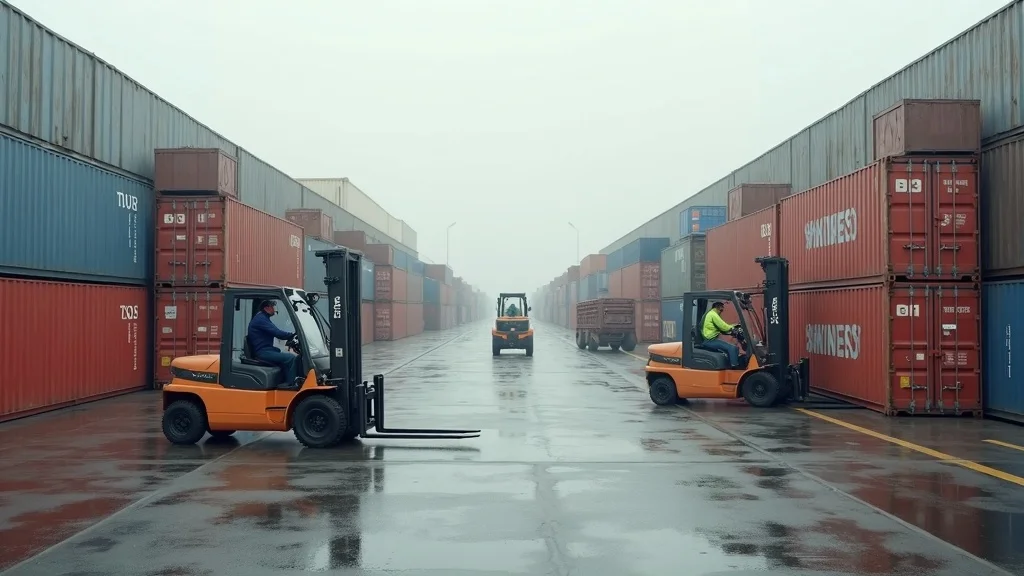
Despite their evolution into homes and offices, iso shipping containers remain the foundation of industrial and commercial storage worldwide. Dry freight containers offer secure, weather-resistant protection for tools, parts, pallets, and finished goods—on job sites, in distribution hubs, or behind factories. The strength of iso containers translates to tamper resistance and longevity, whether you go for a short-term rental or permanent installation.
For high-volume or seasonal inventory, containers can be delivered, placed, and loaded within hours. ManCo Rentals & Sales provides a range of standard dry freight containers as well as flat rack and open top units to suit every requirement. Their modularity means you can scale storage as needed—or reconfigure units for site offices, vending points, or rest areas, maximizing utility and ROI.
Refrigerated Containers for Controlled Environments
Flexible rental options from standard dry to refrigerated and flat rack containers
ISO shipping container compatibility for large-scale logistics
Long-term durability and weather resistance
When inventory requires temperature control or protection from heat and humidity, refrigerated containers (reefers) provide the perfect solution. These containers are designed to international standard and can store pharmaceuticals, organics, or electronics at precise set points 24/7—ideal for the food industry, healthcare, and critical supply chain stages. Their ease of transport and secure build make them a mainstay of modern warehousing, pop-up clinics, or any project that needs dependable, scalable cold storage.
Safety, Transport, and Regulatory Considerations for ISO Shipping Containers
International Standard Compliance: Why It Matters

Compliance with international standard is not just technical jargon—it’s vital for safety, insurance, and legal approval. All iso shipping containers are inspected to verify weld quality, structural integrity, and rust resistance. Proper certification is especially important if you plan to use containers for residential, office, or public event purposes. Reliable suppliers ensure every freight container meets the applicable ISO standard, so you can obtain permits, pass inspections, and provide a safe, comfortable environment for users and guests.
Overlooking these standards can delay projects or even jeopardize occupancy. Always request detailed documentation and, if modifying containers, work with professionals experienced in code compliance for your state, city, or industry. ManCo Rentals & Sales places regulatory transparency at the forefront, offering peace of mind at every stage of design and installation.
Permits, Site Preparation, and Insurance Essentials
“Always verify your iso shipping container supplier’s certifications for peace of mind on your next project.” – Industry Expert
Every project using iso shipping containers—from modular offices to tiny home villages—requires thoughtful planning beyond the container itself. This includes securing permits, preparing level foundations, and obtaining insurance coverage that considers container type and intended use. Local regulations may dictate setbacks, anchoring, or energy codes, so always check requirements early. Full documentation of your containers’ ISO certification, serial numbers, and modifications will streamline approvals, insurance, and resale.
For hassle-free setup, choose providers who guide you through site surveys, crane logistics, and regulatory paperwork. It’s one more reason to partner with a dedicated supplier like ManCo Rentals & Sales for your next ambitious container project.
Comparison Chart: ISO Shipping Containers vs. Other Solutions
Feature | ISO Shipping Containers | Conventional Construction | Modular Panel |
|---|---|---|---|
Cost | Low | High | Medium |
Time to Deploy | Days | Months | Weeks |
Portability | High | Low | Medium |
Durability | Very High | Medium | Medium |
Customization | High | Very High | Medium |
FAQs: Your ISO Shipping Containers Questions Answered
What are the most common sizes of iso shipping containers?
The most common sizes are 20-foot and 40-foot units, with high cube variants adding extra headroom. These standard sizes ensure easy transport and flexible stacking in creative construction or logistics.Can iso containers be stacked or joined together to create larger spaces?
Absolutely. ISO containers are designed for modular use and can be stacked or joined both horizontally and vertically to create everything from multi-level offices to large-scale event halls or multi-unit housing complexes.What maintenance is required for shipping containers used in construction?
Maintenance is minimal—regular checks for rust, repainting, and inspection of seals and locks ensure long-term performance. When converted to homes or offices, plan for insulation and ventilation upgrades for comfort and compliance.How can I customize an iso container for my unique use case?
Customization options include windows, doors, HVAC, electrical, interior finishes, branding, and specialized coatings. Providers like ManCo Rentals & Sales offer design-build solutions for retail, office, residential, and more.Are iso shipping containers safe for residential use?
Yes, provided they are sourced, modified, and installed by professionals in compliance with building codes. Proper insulation, ventilation, and certifications ensure a safe, durable living or working environment.
Key Takeaways: Unlocking the Potential of ISO Shipping Containers in 2025
ISO shipping containers have moved far beyond simple storage, becoming the backbone of creative spaces worldwide.
Versatility, sustainability, and rapid deployability make iso containers a smart choice.
With the right provider, any vision from pop-up shops to emergency housing can be realized.
Reach Out for Custom ISO Shipping Containers Solutions
Ready to build your next project with ISO shipping containers? Call ManCo Rentals & Sales at 877-915-7368 or Email brett@mancorentals.com. Our team handles design, transport, and installation—unlocking the potential of iso containers for your business, event, or community space.