
Imagine cutting your home build time nearly in half—yet a single misstep could mean spending thousands extra in repairs, code violations, or energy bills. Container home construction is an innovative, eco-friendly solution that’s rapidly gaining popularity, especially in Louisiana and the Gulf South—but it’s crucial to plan smartly to avoid expensive surprises.
Surprising Container Home Construction Facts: Louisiana & Gulf South
“Did you know that container home construction can cut your build time by more than 40%, but missteps in design planning can lead to thousands in unexpected costs?”
Container home construction is reshaping how people approach modern living and sustainability, particularly in Louisiana and across the Gulf South. The region’s warm climate, resilience-focused building culture, and openness to innovative housing make it a natural environment for shipping container home projects. However, despite the striking speed of construction (often 40% faster than traditional home builds), there are unique climate challenges, including humidity, flooding, and code compliance, that make careful planning and execution critical. Common pitfalls—like choosing the wrong type of shipping container or overlooking insulation standards—can turn those time and cost savings into setbacks. Local home builders and container home specialists emphasize that understanding the specific regional rules and environmental factors is key to keeping a project on track and budget.
For first-time home builders and experienced DIY enthusiasts alike, the draw of container homes lies not only in streamlined construction timelines but also in adaptability and eco-friendliness. Yet, the Gulf South’s mix of regulatory environments, from Louisiana’s rural parishes to Florida and Tennessee counties, means each container home build can face unique hurdles. Knowing the right questions to ask, selecting reputable home builders, and staying informed on local building codes ensure your shipping container home achieves both affordability and long-term comfort.
When planning your container home, it’s also important to consider the logistics of transporting and lifting heavy shipping containers safely onto your site. Specialized equipment and experienced operators are essential for a smooth installation process—learn more about professional lifting solutions and how they support container home projects by visiting SEPco Lifting services.
What You’ll Learn About Shipping Container Home Construction
Key steps in container home construction
How to select the right shipping containers
Common pitfalls unique to container home builds
Legal considerations for container homes in Louisiana, Florida, and Tennessee
Design and structural integrity strategies
Cost-saving tips for container home construction
Why Opt for Container Home Construction? Benefits of Shipping Container Homes
Eco-friendly construction methods
Speed of home build
Custom container designs
Durability of shipping containers
Affordability
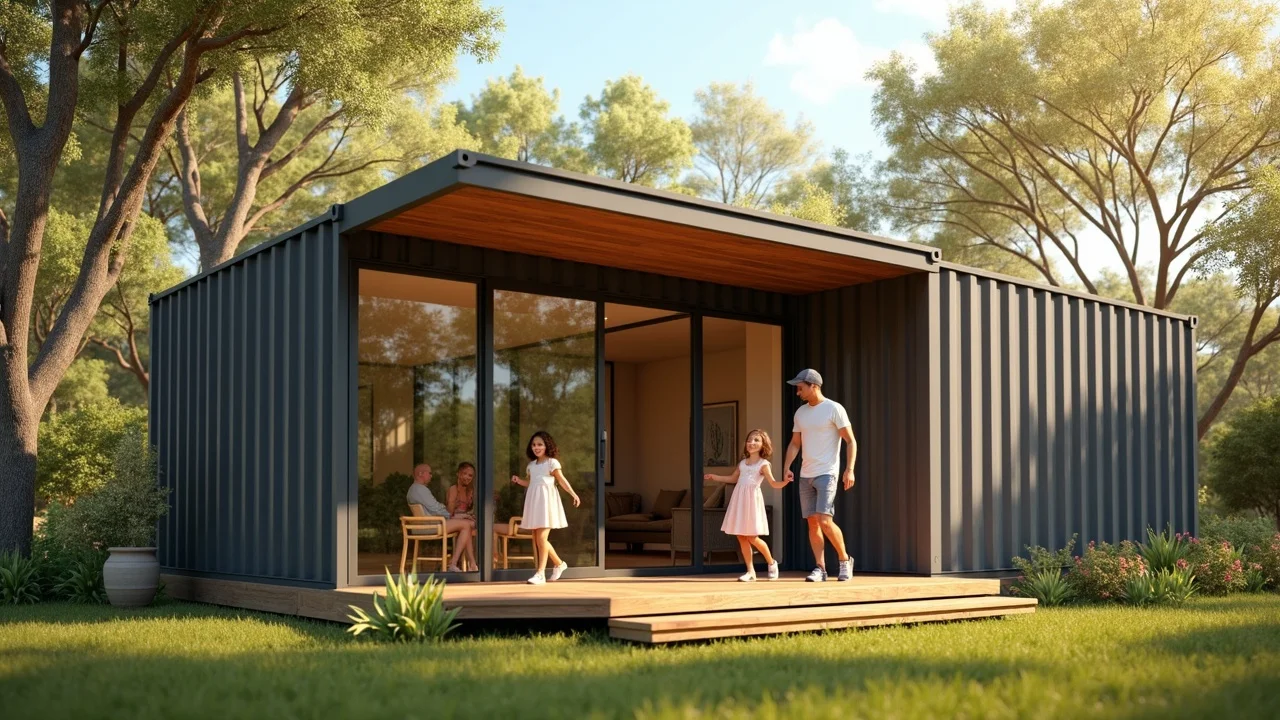
Choosing a shipping container home means embracing a lifestyle built around sustainability, speed, and lasting value. Eco-friendly practices, such as repurposing high cube shipping containers or upgrading insulation, align with the growing shift toward green living in Louisiana and the Gulf South. Speed of home build is a game-changer, with container homes often completed months sooner than traditional homes—helping home builders save on labor, financing, and time spent waiting.
Custom container design gives families unparalleled flexibility in shaping their living space to their unique needs, from open-concept floor plans to innovative stacked container layouts for larger families or tiny house enthusiasts. A key benefit is the durability of shipping containers. Containers are engineered to withstand harsh marine environments, making them resilient against the Gulf Coast’s humidity and storms. Finally, the affordability of container home construction draws cost-conscious home builders and investors. All these factors make container homes an attractive, practical, and forward-thinking solution for both full-size homes and backyard ADUs (Accessory Dwelling Units).
Breaking Down Container Home Construction Costs
One of the strongest appeals of container home construction is the potential for significant cost savings over traditional housing methods. However, it’s crucial to understand the variables that affect the final price tag—including the condition and size of shipping containers, site preparation, customization, and compliance with local regulations. In Louisiana and the Gulf South, building costs also reflect unique regional factors such as climate adaptation, local labor rates, and required building materials for humidity control and structural integrity.
Comparison of Average Container Home Build Costs
Region | Basic Build Cost | Mid-Level Finish | High-End Custom Build |
|---|---|---|---|
Louisiana | $50,000 – $70,000 | $80,000 – $120,000 | $150,000+ |
Gulf South (average) | $55,000 – $75,000 | $85,000 – $125,000 | $160,000+ |
National Average | $60,000 – $85,000 | $100,000 – $140,000 | $180,000+ |
Shipping Container Price Factors
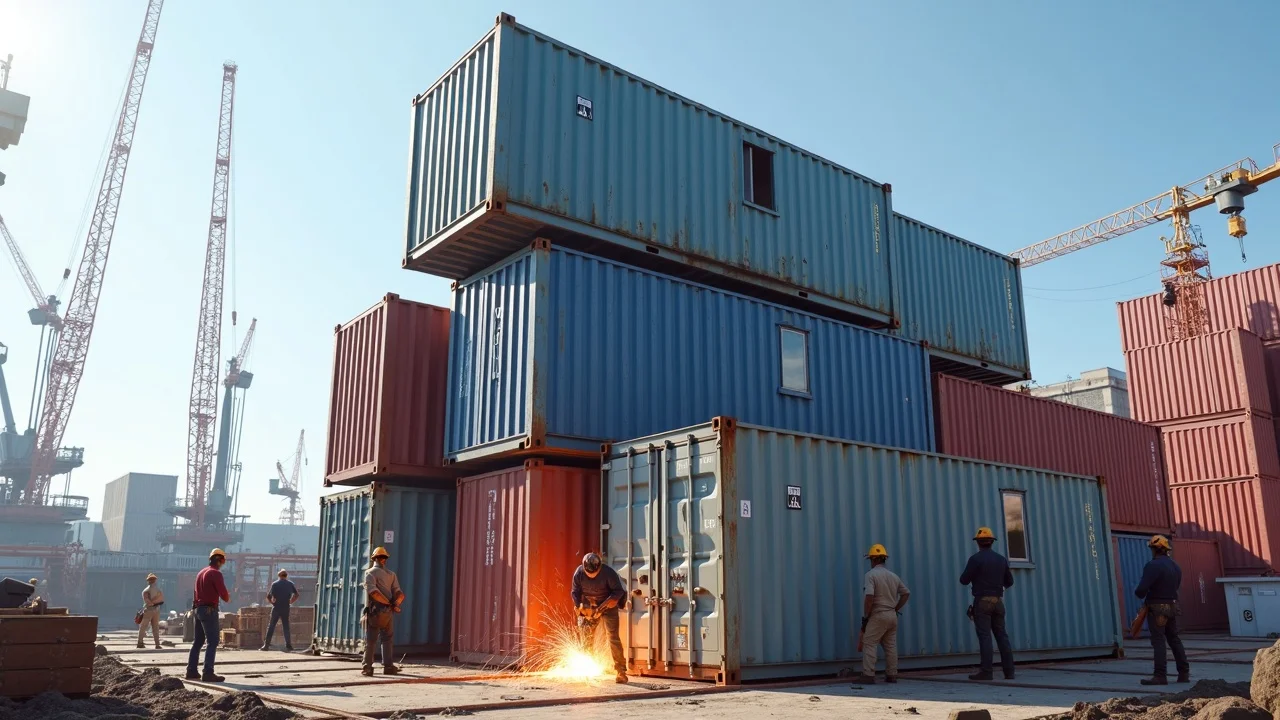
When budgeting a container home build, the price of the shipping container itself is a key variable. Standard 20-foot and 40-foot containers are common, but high cube containers—with extra height—offer greater versatility for custom home design. Cost drivers include container age, previous usage, and whether you choose new, “one-trip,” or used containers. High cube containers often fetch a premium but provide additional headroom for better insulation and a more open living space. Sourcing containers close to your build site can also dramatically reduce transport costs and environmental impact, which is especially important for homeowners in more rural areas of Louisiana or the Gulf South.
Don’t overlook inspection and preparation costs: ensuring your chosen container is structurally sound, free of rust or hazardous residue, and equipped for modifications is essential. Some home builders recommend investing in containers with minimal prior exposure to harsh chemicals, as this impacts both safety and interior air quality. The right choices early in your home build can prevent costly repairs and regulatory hurdles down the line.
Custom Container Home Design and Add-ons
Customization is a driving force behind the popularity of container home construction. Home builders can personalize interior layouts, add multiple containers for extra space, or select premium finishes—from energy-efficient windows to green roofs and rooftop decks. Each “add-on,” like solar-ready wiring, high-quality insulation (spray foam is common), or advanced HVAC systems, adds to the total investment but increases comfort, energy efficiency, and long-term value.
Particularly in the Gulf South, where high humidity and temperature fluctuations are the norm, integrating features such as vapor barriers, advanced waterproofing, and upgraded insulation transforms a standard container into a high-performance home. Opting for these elements upfront is not only about luxury—it’s about ensuring your home is livable, adaptable, and durable for years to come.
Choosing the Best Shipping Container for Your Container Home Build
Selecting the right shipping containers forms the backbone of successful container home construction. Home builders should weigh not just dimensions and price but also the condition and prior use of each container. While standard 8-foot, 9’6” high cube, and even custom-length containers are available, the type chosen will directly affect the floor plan, insulation method, and overall liveability of your finished home.
Local supply can also influence choices. For instance, high cube containers are ideal for accommodating thicker insulation or a two-tier build design, especially valuable in humid regions like Louisiana. However, it’s advisable to physically inspect containers and verify that frames, floorings, and seals are intact, as hidden structural issues often result in costly post-build repairs if overlooked.
Types of Shipping Containers: Which to Choose for Container Homes
The most popular options for container home construction are standard (8.5’ tall) and high cube (9.5’ tall) containers, available in lengths of 20 or 40 feet. High cube containers provide the extra headroom needed for air circulation, insulation, and creative lofted living spaces—making them a top choice for both urban and rural home builds. Other specialized containers, such as refrigerated or open-top models, can be repurposed but may entail additional modification costs.
It’s critical for home builders to consider not only immediate needs but potential future modifications. For those who envision expanding their container home, integrating multiple containers from the start streamlines future projects. Whichever container type you choose, working with an experienced home builder or container home builder ensures that your floor plan maximizes space, natural light, and structural integrity.
Inspecting Shipping Containers for Structural Integrity
Prior to purchase, a thorough inspection is vital. Check for visible rust, warped doors, frame damage, and compromised seals—particularly on used containers. Home builders should look for solid flooring free of rot, water damage, or harmful residues from prior cargo. Bring a flashlight and a moisture meter to check dark corners and beneath the floor panels.
Many professional container home builders recommend bringing an expert to verify container condition or using certified suppliers with a proven track record. Shipping containers may appear sturdy but hidden structural weaknesses can affect home safety, lead to leaks, or impact compliance with building code standards. Investing in quality during selection pays off with a safer, more comfortable shipping container home.

Container Home Design Tips: Floor Plans, Layout, and Custom Container Options
Smart floor plan layouts
Top home design features for container living
Maximizing space and natural light in container home construction
Effective container home design begins with a well-thought-out floor plan. Open layouts, strategic use of windows and doors, and creative storage solutions can combat the inherent limitations of container width. Consider stacking or joining multiple containers to create spacious living areas or separate zones for bedrooms, kitchen, and bath. Smart home design also leverages natural light with full-length windows or glass doors, while well-placed insulation and vapor barriers secure comfort year-round.
In custom container builds, it is important to balance style with function. Prioritize features like energy-efficient lighting, passive ventilation, and flexible living spaces that can adapt to changes in family size or use. Tiny house enthusiasts often select multi-level layouts with loft bedrooms, while larger families may opt for “L” or “U”-shaped assemblies for privacy and communal living. Regardless of size, every design should consider furniture placement, access to outdoor spaces, and the integration of sustainable materials.

Incorporating Sustainable Features in Container Home Design
Eco-friendly home builders in Louisiana and across the Gulf South increasingly prioritize sustainable features in their container homes. Solar panels, rainwater harvesting systems, energy-efficient appliances, and spray foam insulation all reduce environmental impact and utility costs. Smart home systems, such as programmable thermostats and LED lighting, make managing energy use simple and cost-effective.
Designing with sustainability in mind enhances not just comfort but long-term resilience, especially in areas prone to extreme weather. Incorporating advanced waterproofing, cross-ventilation, and green roofs ensures your container home stands up to storms and fluctuating humidity. Taking time to plan these elements into your floor plan pays off in lower operating costs and a healthier indoor environment.
Balancing Style and Function in Container Home Construction
Every great container home achieves harmony between aesthetics and practical living space. Features like sliding barn doors, built-in cabinetry, and clever under-bed storage allow home builders to keep clutter at bay without sacrificing style. Choices in flooring, paint, and exterior cladding—ranging from urban metal to rustic wood—play a big role in blending your container house into its surroundings.
It’s equally important to consider long-term livability. Wide entryways, accessible bathrooms, and multi-use spaces future-proof container homes for changing needs. By embracing both trendy design elements and practical necessities (like easy-to-clean surfaces or flexible furniture), home builders create custom container living spaces that are comfortable, inviting, and uniquely theirs.
Legal Considerations: Are Container Homes Allowed in LA, FL, and TN?
Before starting any container home construction project, thoroughly research local building codes and zoning laws. Regulations can differ significantly between states, counties, and cities across Louisiana, Florida, and Tennessee. Some jurisdictions embrace container homes as a sustainable alternative to traditional housing, while others have restrictions or require special permits for container house builds.
Partnering with an experienced container home builder or consulting directly with city and parish officials is vital for avoiding costly delays. Understanding how local rules impact everything from floor plans to site placement ensures that your dream home remains safe and compliant throughout the process.
Zoning Laws and Permits for Shipping Container Homes
Zoning laws often define what can be built, where, and for what purpose. For shipping container homes, crucial factors include lot size, setbacks, height limits, and usage type (primary residence, ADU, vacation rental, etc.). Permitting typically involves submitting engineered plans, site surveys, environmental assessments, and proof of container structural integrity.
States like Louisiana have areas with lenient rules for tiny houses and container builds, while some Florida and Tennessee communities require strict fire, hurricane, or flood-proofing standards. Engaging with a home builder experienced in container home construction speeds up approvals, reduces red tape, and ensures your builder understands all local regulations. Neglecting proper paperwork or overlooking required inspections can lead to legal disputes or even enforced demolition.
Common Legal Hurdles in Container Home Construction
A few common hurdles include ambiguous definitions in local codes, restrictions on using “used” containers, or requirements for enhanced fireproofing and flood protection. Homeowners may run into issues if they fail to obtain the correct certificates of occupancy or if modifications undermine the original structural integrity of shipping containers.
Working with knowledgeable home builders mitigates these risks, as they can anticipate obstacles and navigate code compliance efficiently. If you encounter unfamiliar ordinances or conflicting information, reach out to local planning departments or consult a real estate attorney with experience in tiny house and container living projects.
Selecting a Reputable Container Home Builder
“A skilled home builder specializing in container home construction can help you avoid costly code violations and build delays.”
Your choice of container home builder will shape every phase of the project, from concept to move-in day. Look for professionals with direct experience in building with shipping containers, a transparent approach to budgeting, and strong local references. The best builders serve as partners and guides, recommending floor plan refinements, facilitating necessary permits, and connecting you to suppliers for high cube or specialty containers.
Ask about prior projects, familiarity with local regulations, and the ability to source building materials suited for Gulf South climate challenges. Reputable home builders provide clear cost breakdowns and can walk you through the trade-offs between building with new versus used containers. They’ll also ensure site preparation, insulation, and waterproofing are handled to the highest standard.
Questions to Ask Your Container Home Builder
Experience with shipping containers
Understanding of local regulations
Cost estimation and transparency

Construction Mistakes to Avoid in Container Home Builds
Neglecting insulation and site preparation
Improper waterproofing
Cutting too many openings without reinforcement
Skipping professional inspections
Every container home build comes with its set of challenges, but some mistakes are especially costly. Insufficient insulation or poorly executed site prep can lead to energy waste and long-term moisture problems that are hard to correct after move-in. Improper waterproofing is particularly risky in the Gulf South, where condensation, heavy rain, and hurricanes test even the sturdiest home builds.
Cutting multiple door or window openings without proper structural reinforcement can compromise container strength, putting your entire home at risk. Always work with engineering professionals or qualified builders to ensure modifications meet or exceed code requirements. Finally, never skip inspections. The small upfront cost of professional help often prevents far more expensive repairs, legal challenges, or health hazards later.
Explore a modern shipping container home from the outside in—see highlights like solar panels, open floor plans, custom storage, and hear insights from homeowners and the builder about the unique challenges and triumphs of container home living.
How to Maximize Durability and Comfort in Your Container Home
Durability and comfort go hand-in-hand with smart upgrades and vigilant maintenance. Thoughtful decisions during the planning and construction phase ensure your container house remains a safe haven for years to come, regardless of climate. Key considerations include modern insulation, proper ventilation, and regular structural assessments—especially important in high-humidity or storm-prone regions like Louisiana.
Upgrades such as high-performance spray foam insulation, sealed windows, and advanced HVAC units dramatically improve interior climate control and energy efficiency, while ongoing maintenance extends the lifespan of core building materials and structural elements.
Upgrading Insulation and Ventilation
Cutting corners on insulation is one of the most common mistakes in container home construction. High-quality spray foam or rigid panel insulation—combined with vapor barriers—prevents condensation, heat gain, and costly moisture damage. Home builders should pay special attention to floor and ceiling areas, as metal surfaces conduct outside temperatures quickly.
Don’t overlook ventilation. Modern vent fans, operable skylights, and energy recovery ventilators keep air fresh and reduce the risk of mold or poor indoor air quality. Smart controls or passive air systems, integrated into your custom container floor plan, create year-round comfort and savings on utility bills. Consulting with experienced home builders on these details ensures your new home remains a joy to live in.

Maintaining Structural Integrity Over Time
Even well-built container homes require ongoing attention. Regularly check for signs of corrosion, shifting foundations, or door and window misalignment—addressing small issues quickly prevents larger, more expensive repairs down the line. Repaint exterior surfaces with rust-inhibiting coatings as needed and ensure gutters and drainage systems perform well in heavy rain.
Periodic inspections, especially after severe weather, guarantee your shipping container home remains as strong as the day it was built. Work with experienced home builders for annual check-ups, and be ready to make upgrades (like reinforcing decks or bolstering wind anchors) as your needs evolve. Reliable maintenance underpins both safety and lasting value in every container home build.
People Also Ask: Costs & Regulatory Landscape of Container Home Construction
How much would it cost to build a container home?
The cost of building a container home varies depending on design complexity, location, labor, and customization. On average, a basic container home construction in Louisiana can range from $50,000 to $120,000, with high-end finishes increasing overall pricing. Factors like site prep, permitting, and upgrades impact the final expense.
What is the downside of container homes?
While container homes offer affordability and eco-friendliness, downsides include insulation challenges, potential code complications, and the need for proper structural modifications. Condensation, resale value, and limited width can also be drawbacks if not addressed during construction.
Are container homes legal in FL?
Container homes are legal in certain areas of Florida, but regulations, zoning laws, and permitting processes vary by county and municipality. Consulting a local container home builder is crucial for understanding FL-specific requirements.
Does TN allow container homes?
Tennessee permits container home construction in several counties, but zoning ordinances and building codes must be carefully researched. It is recommended to work with an experienced home builder familiar with TN law and compliance for shipping container homes.
Expert Tips for Stress-Free Container Home Builds
“The right planning and the right team transform shipping container home dreams into durable, modern realities.”
Work with local inspectors
Stay on top of legal compliance
Invest in proper ventilation
Plan for future modifications
Taking these proactive steps ensures your container home build goes smoothly from groundbreaking to move-in. The partnership of knowledgeable home builders, up-to-date code research, and deliberate planning is the recipe for a beautiful, resilient new home.
See the five most popular and practical design features homeowners are adding to container living spaces—from skylights and multi-level floor plans to off-grid energy solutions and hidden storage.
Key Takeaways: Container Home Construction
Proper planning prevents costly mistakes
Legal research is essential in every state
Builder experience matters
Innovative design will maximize comfort and value
FAQs on Container Home Construction
How do I choose between a new or used shipping container?
Assess the container’s condition, prior use, potential exposure to hazardous materials, and cost. New containers (“one-trip”) tend to be in better shape but cost more. Used containers can be eco-friendly and affordable if they pass a professional inspection for rust or damage.What maintenance does a container home require?
Regular checks for rust, leaks, and insulation performance are essential. Repaint exteriors, inspect seals, maintain gutters, and keep up with HVAC servicing to ensure long-term comfort and durability.Do container homes appreciate in value?
Container homes can appreciate, especially in markets where sustainable and unique properties are sought after. Value retention depends on build quality, design, local market, and compliance with building codes.Can container homes be moved after construction?
Moving a container home is possible but complex. Homes on permanent foundations require substantial effort, while mobile or modular container houses are easier to relocate with professional help.Are container homes energy efficient?
With the right insulation and ventilation, container homes can be highly energy efficient, especially compared to traditional homes. Energy savings depend on build specifications and climate adaptation.
Start Your Container Home Journey in Louisiana & Gulf South
Ready To Build A Tiny Home? Contact ManCo Rentals & Sales Today!
Transform your vision into reality with an experienced partner. Contact ManCo Rentals & Sales now to get a quote, explore options, and start building your own container home in Louisiana or the Gulf South.
Conclusion: Careful planning, builder experience, and legal compliance are vital to create a lasting, stylish container home. Take the first step today—your modern, affordable dream home is within reach! If you’re interested in exploring more about the specialized equipment and support that can streamline your container home build, discover how SEPco Lifting’s expert solutions can make your project safer and more efficient. For those looking to deepen their knowledge of construction logistics or seeking advanced strategies for large-scale builds, our additional resources offer valuable insights to help you achieve a seamless and successful container home journey.