
Did you know that building a modern container home can cost up to 50% less than traditional construction—while slashing your environmental footprint and maximizing flexibility? As the Gulf South embraces container home design for everything from tiny retreats to spacious family dwellings, Louisiana homeowners are turning to these sustainable, customizable structures to elevate their lifestyle. In this guide, we’ll uncover expert secrets, step-by-step strategies, and creative design ideas to help you transform shipping containers into your dream living space—no matter your budget or the Southern climate you call home.
Uncovering The Appeal of Container Home Design
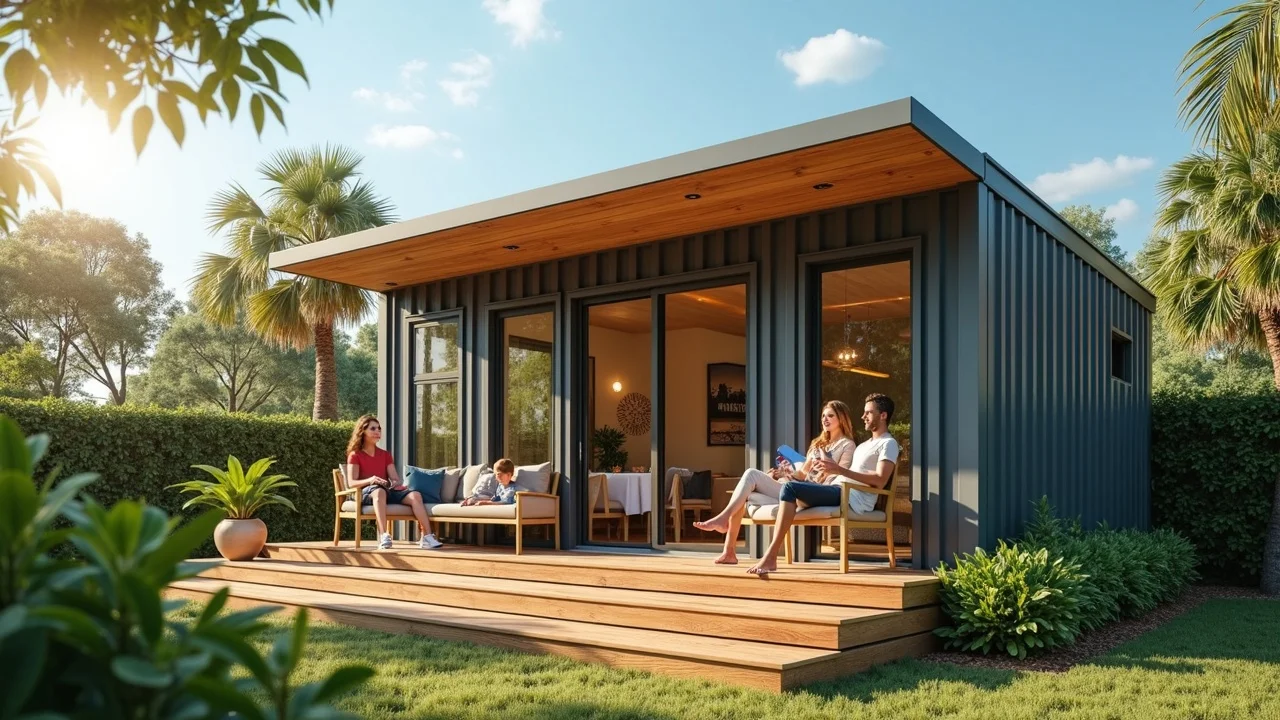
Container home design has taken the housing world by storm, especially in regions seeking affordable, eco-conscious, and versatile living solutions. In Louisiana and across the Gulf South, container homes marry innovative design with Southern tradition, turning industrial shipping containers into cozy sanctuaries that reflect personal style. The driving appeal lies in their unmatched cost-efficiency—offering substantial savings compared to conventional homes—and their rapid build time, often reducing construction to mere weeks. But the magic goes beyond the bottom line: container homes deliver a unique blend of durability, mobility, and customizable floor plans ideal for families, retirees, and adventurous down-sizers alike.
What truly sets container home design apart is how it embraces both modern aesthetics and environmental stewardship. By upcycling durable steel containers that might otherwise languish in ports, these homes govern waste reduction and foster a footprint-friendly approach to living. Flexible layouts, stackable units, and the potential for open-concept living mean that every container project—no matter how tiny or sprawling—offers endless opportunities to reflect your unique tastes and needs. More than a passing trend, container homes are forging a new path for Southern living, blending practicality and ambition to create spaces that are both smart and soulful.
What You’ll Learn About Container Home Design
How container home design maximizes space and sustainability
Key steps to start your container home project
Expert tips from container home professionals
Answers to common container home questions
Understanding Container Home Design: Key Concepts Explained
What is a Container Home? The Basics of Container Home Design
A container home is a residential structure created by converting one or more steel shipping containers—those sturdy rectangles you’ve seen on cargo ships and trains—into comfortable, livable spaces. Unlike prefab cabins or mobile homes, container house design offers unparalleled construction strength, with corrugated steel walls engineered to withstand transit’s toughest conditions. This foundation is then retrofitted with modern amenities: insulation, windows, plumbing, electricity, and all the comforts of a traditional property.
With a wide range of floor plans available, container homes appeal to everyone from single urban dwellers in New Orleans to large families seeking affordable modular living in Baton Rouge or Shreveport. Container home designs span the spectrum from minimalist one-bedroom abodes to multi-container mansions, all customizable to your taste and climate. The process often starts with a single or stacked unit, which is then transformed through strategic home design—think open-concept living spaces, clever storage solutions, and expansive glass walls to brighten interiors with natural Southern sunlight. For many, a shipping container home represents the ultimate creative blank canvas: sustainable, stylish, and genuinely unique.

How Container Home Design Drives Sustainability
At the heart of the container home movement is a commitment to sustainability and environmental responsibility. By repurposing used shipping containers, each home prevents tons of steel from languishing in landfills—a powerful example of upcycling for a cleaner future. Furthermore, the manufacturing footprint for container homes is much lower than that of conventional stick-built houses, reducing energy consumption and resource use at every stage.
Container home design goes beyond recycled materials; it can incorporate energy-efficient insulation, passive cooling strategies, rainwater harvesting, and solar panels, turning even a tiny container home into a model of self-sufficiency. In the heat and humidity of Louisiana, these efficiency measures aren’t just eco-friendly—they’re essential for comfort and cost savings over the long haul. By integrating sustainable and innovative technologies with a climate-adaptive home design, residents enjoy lower utility bills and a lighter footprint, proving that good design is as much about stewardship as it is about style.
As you plan your own container home, it’s important to consider the logistics of transporting and placing heavy shipping containers safely on your site. For a closer look at specialized lifting solutions that can streamline this crucial step, explore SEPco Lifting’s approach to container handling and placement—a valuable resource for ensuring your project starts on solid ground.
Container Home Design Process: Step-By-Step Guide
Site selection for your container house
Choosing the right site is the first crucial step in your container home project. Consider factors like accessibility, orientation for natural light, drainage, and compliance with local building codes. In Louisiana, keeping flood risk, soil stability, and wind exposure in mind is especially vital for a safe and stable foundation. Collaborate early with a reputable container home builder familiar with local regulations to streamline approvals and avoid costly surprises.
Creating a floor plan tailored to Louisiana’s climate
Next, work on a floor plan that makes the most of your container’s footprint while maximizing airflow and shade. Open layouts, cross-ventilation, and smart window placement counteract humidity and summer heat—essentials in the Gulf South. Consider all-season outdoor living areas (like decks and patios) to seamlessly expand your living space and soak up Southern breezes.
Step-by-step building process for container homes
The core steps of building your shipping container home involve: prepping the site, pouring foundations or footings, safely delivering the container(s), weatherproofing exterior shells, and fitting electrical/plumbing systems. Each phase calls for precision and compliance with local building code. Partnering with local engineering services ensures structural integrity—don’t be tempted to cut corners on crucial details like moisture barriers and insulation.
Customizing shipping container design: insulation, ventilation, windows, and more
Now comes the creative part: transforming a bare shipping container into a welcoming home. Invest in top-grade insulation (like closed-cell spray foam) to combat Southern humidity and temperature swings. Add windows and skylights to flood interiors with daylight while fostering cross-breezes. Optimize every inch with built-in storage and modular fixtures tailored to your tiny container home layout.
Navigating local regulations for shipping container house construction
Louisiana regulations on container homes vary widely by parish, often requiring site-specific permits, inspections, and adherence to zoning laws. Engaging a licensed container home builder or engineering service is the surest way to maintain compliance with local building codes and expedite your project. Ask about FEMA, elevation, or wind mitigation requirements if you’re building near waterways or gulf coasts.
Drone footage shows the dramatic journey of a shipping container home from bare lot to move-in-ready, revealing major phases, before-and-after moments, and vibrant community integration in a Louisiana neighborhood. Witness workers braving the summer sun, lush landscapes transforming around the structure, and residents stepping into their new container house—proof that modular, eco-friendly building works in the Gulf South.
Maximizing Space With Creative Container Home Design Ideas
Space is at a premium in most container homes, making thoughtful home design and ingenious solutions critical, especially for tiny container homes. Consider full-height shelving, hidden storage compartments under beds or seating, and wall-mounted racks for kitchen and utility items. Modular and stackable containers allow floor plans that go both vertical and horizontal, providing extra bedrooms, studios, or even shaded rooftop terraces without expanding your footprint.
Furniture that doubles in function—think Murphy beds, fold-down tables, or seating with concealed drawers—can transform a one-room container house into an adaptable, family-friendly living space. Embracing an open-concept layout, with fluid transitions between kitchen, dining, and lounge zones, maximizes usable space and brings in abundant natural light. Design ideas like sliding barn doors or glazed partitions can divide space in a visually open, uncluttered way. Explore floor-to-ceiling glass or generous windows in your container home design to make compact interiors feel airy, bright, and connected to your outdoor oasis.

See how interior design experts make the most of limited square footage, revealing best-in-class hacks for zone division, hidden storage, and light optimization in a real Louisiana shipping container home. Inspiration for tiny container home owners and DIY enthusiasts alike.
Container Home Design for Southern Climates
Choosing The Right Materials for Your Container Home
The distinctive climate of Louisiana—marked by sweltering summers, rainy seasons, and humidity—demands that container home designs prioritize weather resilience and energy efficiency. Insulation is your first defense: opt for closed-cell spray foam or rigid foam panels appropriate for metal structures, ensuring year-round comfort. Choose rust-resistant paints and primers on exterior steel to combat moisture.
Double-pane windows and tightly sealed doors keep cooled air inside while blocking heat and moisture from entering. For interior finishes, select composite or moisture-resistant flooring, and include vapor barriers wherever possible. Local builders understand these regional needs and can recommend materials proven to withstand the Gulf South’s toughest weather—saving you maintenance costs and headaches down the road.

Local Container Home Builders: What To Look For
Partnering with a skilled container home builder is essential for translating your vision into a compliant, comfortable dwelling. Seek builders or engineering services with hands-on experience in container construction and a deep understanding of Louisiana’s specific building codes. They should have a robust portfolio of container home projects and be willing to supply references. Additionally, your builder must be adept at both sitework and modular construction, with a sharp eye for details like insulation, drainage, and mechanical systems required for container homes.
Ask potential builders about their process for obtaining permits, completing inspections, and addressing site-specific challenges such as flood mitigation or wind reinforcement. Reliable professionals stay current with code updates and can manage every stage—from floor plan development to interior finishing. Only by choosing the right partner can you ensure a smooth build, lasting durability, and total peace of mind for your container house.
Comparing Container Home Design With Traditional Housing
Criteria | Container Home Design | Traditional Home |
|---|---|---|
Cost | Lower | Higher |
Build Time | Faster | Slower |
Eco-Friendliness | High | Moderate |
Flexibility | High | Lower |
Regulation | Varied | Standard |
While traditional homes remain the mainstream choice, container home design offers compelling advantages for budget-minded, sustainability-focused, or creative homeowners. Shorter timelines, high adaptability, and environmental benefits are matched by complexities in regulation and permitting—so always consult with a local expert before embarking on a container home journey.
People Also Ask: Essential Questions About Container Home Design
Are container homes cheaper to build?
Yes, building a container home is generally much more affordable than a conventional home. Lower material costs, reduced labor, and the repurposing of shipping containers lead to savings often between 20-50%, depending on size, finishes, and complexity. However, customization, site prep, and compliance with local building codes can affect your final price tag. Despite possible hidden costs, container homes remain a budget-friendly choice—especially for those comfortable with compact living or DIY upgrades.
Are container homes legal in the US?
Container homes are legal throughout much of the United States, but regulations vary at the local and parish (county) levels. Some areas, including parts of Louisiana, require specific permits for nontraditional structures, while others actively encourage sustainable projects. Always check local building codes and zoning laws before starting your container home project. Consulting with your local permitting office or a specialized container home builder will ensure you avoid setbacks and keep your build on track.

What is the disadvantage of container houses?
While container homes offer many perks, there are some drawbacks. The most common include limited space—especially for large families; insulation challenges in hot, humid climates; and the complexity of navigating building codes not always designed for modular structures. Additionally, older containers may need remediation for rust or chemicals and require thorough inspection before use. With proper planning and an experienced builder, these cons can be mitigated, but it’s wise to weigh them against your goals and lifestyle needs.
Is it cheaper to build a barndominium or a container home?
Both barndominiums and container homes provide cost-effective pathways to homeownership. In general, container home design tends to be slightly more affordable for very small or mobile dwellings due to the reduced materials and labor. Barndominiums, which combine metal building shells and open interiors, may offer more space at a modest price per square foot but can be pricier for intricate finishes. Your choice will depend on desired aesthetics, site constraints, and how much you value portability and upcycling.
Expert Container Home Design Tips & Quotes
“A well-designed container home is proof that great things come in small, sustainable packages.” – Louisiana Home Builder
Prioritize passive cooling and natural light
Choose open, adaptable floor plans for flexibility
Invest in energy-efficient appliances and insulation
Seek local expertise for permitting and weatherproofing
FAQs: Container Home Design & Living
Can you build a two-story container home in Louisiana?
Yes! Stacked container home designs are possible and increasingly popular. Ensure proper engineering, secure anchoring, and check local zoning. Building codes in many Louisiana parishes allow multi-level shipping container house projects with the right documentation.How do you maintain a shipping container home in humid climates?
Regularly inspect for condensation, rust, and leaks. Keep gutters clear, maintain seals on doors/windows, and repaint exterior metal as needed. Annual roof and wall checks help maximize lifespan in Louisiana’s humid environment.What is the lifespan of a shipping container house?
With quality construction and diligent maintenance, a shipping container home can last 25–50 years or longer. Weatherproofing, insulation, and periodic repairs are key to protecting your investment in the Gulf South climate.Can you move a container home once constructed?
One major advantage of container homes is mobility. Smaller or modular builds can be relocated, though moving a fully finished, permanently attached container house is complex and may require professional help.
Key Takeaways On Container Home Design
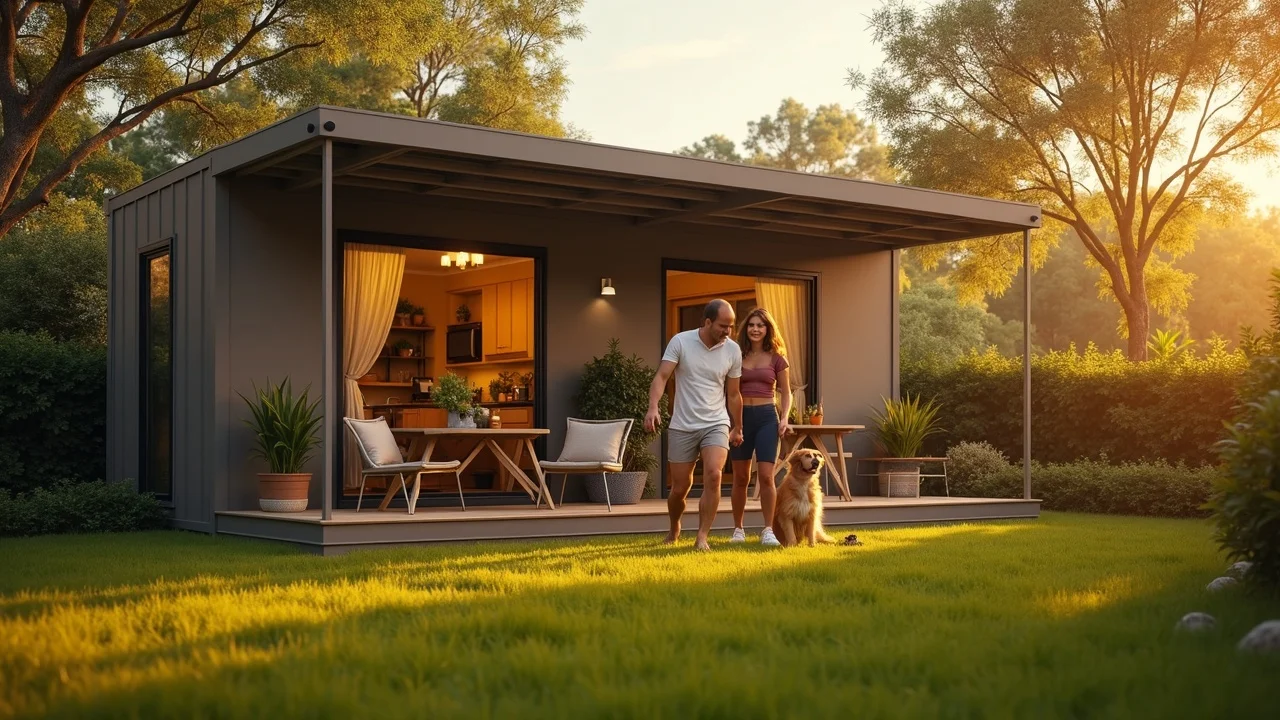
Container home design offers affordable, flexible, and eco-friendly living
Creative planning maximizes space in tiny container homes
Local codes and climate impact your container home project
Partner with experienced container home builders for success
Elevate Your Space with Container Home Design
Ready to join the container home movement and make your space extraordinary? Building A Tiny Home? Contact ManCo Rentals & Sales Today! Explore your options, tap into Southern expertise, and unlock eco-friendly, innovative living that’s truly your own.
If you’re inspired to take your container home project to the next level, consider how professional lifting and logistics services can simplify your build from day one. Discover how SEPco Lifting’s specialized equipment and expertise can help you overcome site challenges, streamline installation, and ensure your container home is set up safely and efficiently. By leveraging advanced solutions and local know-how, you’ll be better equipped to create a sustainable, beautiful space that stands the test of time—no matter where your vision takes you.