Did you know? According to the U.S. Census Bureau, the number of modular homes shipped annually has doubled over the past decade, with Louisiana leading significant growth. As housing affordability and sustainability become central concerns across the Gulf South, modular housing emerges as a compelling answer to the challenges of rapid population growth, hurricane recovery, and eco-friendly living. In this guide, we’ll unpack exactly why modular homes are at the forefront of the future for fast, affordable housing—especially in Louisiana and neighboring states.
Opening Insights: The Rise of Modular Housing in Louisiana and the Gulf South
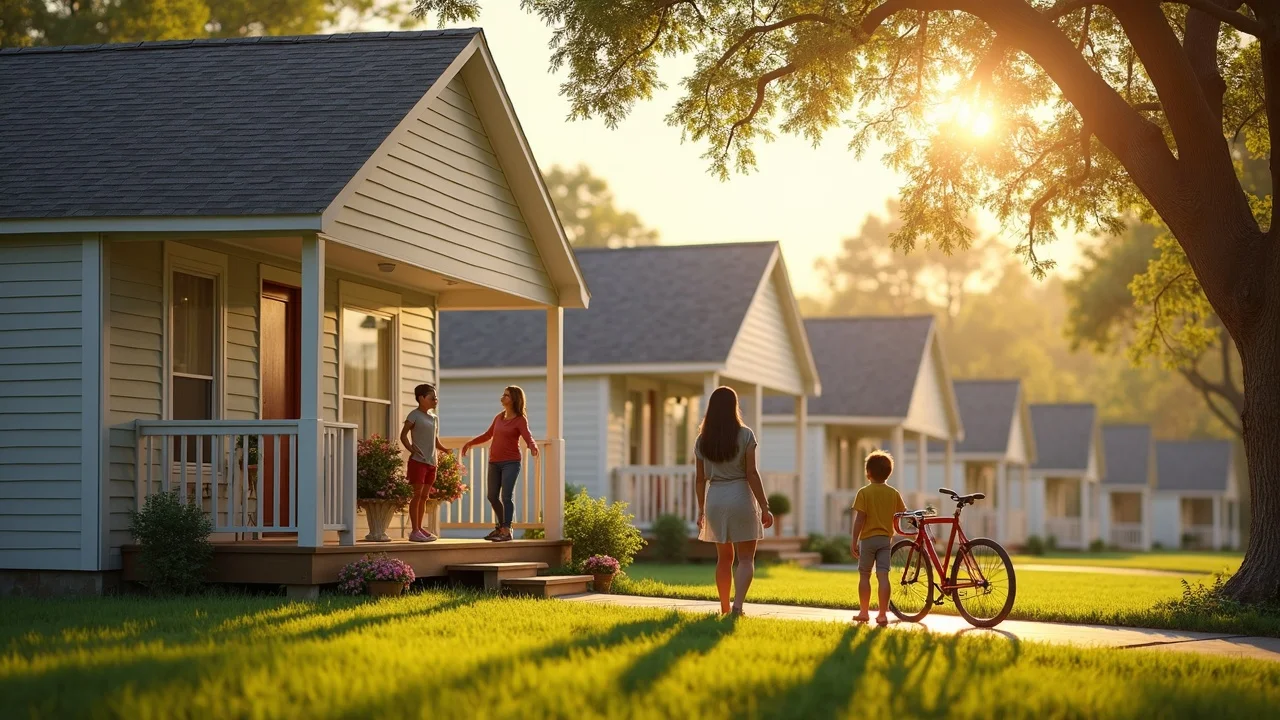
The rise of modular housing in Louisiana and the Gulf South is rewriting the rule book for how homes are built, bought, and lived in. Amid a nationwide demand for affordable homes, communities in Baton Rouge, New Orleans, and throughout the region are witnessing a shift: local builders and families are turning to modular housing as a faster, more adaptable, and often more affordable solution. Unlike traditional homes that can take months or even years to complete, modular homes can be ready for move-in within a fraction of the time. This speed doesn’t come at the cost of quality—modular home builders follow strict building codes and modern construction processes in controlled factory environments, reducing weather-related delays and costs.
Families in the Gulf South also benefit from the flexibility and resilience modular homes offer. With climate change spurring more frequent storms, the need for homes that can be built quickly and raised above potential floodwaters is more important than ever. Modular housing’s streamlined construction process allows homeowners to customize floor plans, energy efficiency features, and hurricane-resistant upgrades. In fact, statewide initiatives and local incentives in Louisiana have helped modular housing growth outpace much of the country, offering a promising path for anyone dreaming of a new home that’s fast, affordable, and designed for the unique needs of the Gulf region.
When considering the logistics of modular home assembly, it’s important to recognize the role of specialized equipment and lifting solutions in ensuring safe and efficient installation. For example, services like SEPco Lifting provide the heavy-duty lifting capabilities required to position modular sections accurately on-site, which is a crucial step in the modular construction process.
“According to the U.S. Census Bureau, the number of modular homes shipped annually has doubled over the past decade, with Louisiana leading significant growth.”
What You’ll Learn About Modular Housing
An introduction to modular housing concepts and terminology
Comparison of modular homes, manufactured homes, and traditional builds
Detailed modular home floor plans and customization
The construction process: from site preparation to move-in
Cost, speed, and sustainability benefits of modular construction
Local regulations in Louisiana and the Gulf South
Defining Modular Housing: What Does ‘Modular’ Mean in Housing?
What exactly is a modular home?
Modular housing versus manufactured homes and traditional construction
Modular home building process and modular construction principles
Industry standards and building codes for modular homes
Modular housing refers to homes that are constructed in sections, or “modules,” within a factory, and then transported to a permanent site for assembly. Unlike manufactured homes—which are built to federal HUD code and are often placed on non-permanent foundations—modular homes closely mirror traditional builds because they adhere to local building codes and are set on a permanent foundation. The differences between modular homes, manufactured homes, and traditional homes are important: modular homes offer all the customization, longevity, and property value of a site-built home while leveraging the efficiency and quality control of a factory-built environment.
During the modular home building process, each floor plan is precisely engineered and constructed using high-quality materials in a controlled environment, protecting your new home from weather damage and theft during assembly. This method leads to consistent quality and better resource management, making modular homes a top housing option for eco-minded homeowners and those facing tight deadlines. Every stage, from design to final inspection, follows rigorous industry standards and building codes, ensuring your investment meets both local and state regulations. In Louisiana and the Gulf South, this gives buyers additional confidence in the safety, energy efficiency, and durability of their new modular home.
Watch an animated explainer: See a home built in factory modules, transported by truck, and assembled on-site, illustrating just how modular housing brings speed, cost savings, and quality together in one smart building process.
Are Modular Homes Cheaper? Comparing Modular Housing and Traditional Home Building Costs
Is it cheaper to build a house or get a modular? This is one of the most common questions potential homeowners in Louisiana and across the Gulf South ask when considering where to build their dream home. Modular housing provides substantial cost advantages compared to traditional homes. The main driver is factory efficiency: centralized construction reduces labor costs, shortens construction time, and minimizes material waste. Unlike traditional on-site builds, where delays caused by weather or labor shortages can quickly inflate costs, a modular home is built in a controlled environment where the timeline is both shorter and more predictable.
Additionally, the modular construction process leverages bulk purchasing and efficient transportation of materials, further bringing down the bottom line. While site-specific factors—such as land preparation and customization—may slightly affect costs, modular homes tend to have a competitive edge in terms of affordability and value. Over the long term, high-quality materials and strict adherence to building codes can also result in better resale value and lower ongoing maintenance for homeowners in the Gulf South.
Comparison Table: Modular Housing Costs vs. Traditional Construction Costs
Factor | Modular Housing | Traditional Site-Built Home |
|---|---|---|
Labor | Lower (factory efficiencies & reduced labor) | Higher (on-site, weather-dependent, more trades involved) |
Site Preparation | Required, but generally predictable with fewer delays | Required, often leads to unexpected delays/costs |
Materials | Pre-ordered in bulk, less waste | Often more expensive, greater loss from waste/damage |
Timeline | 2–4 months (from order to move-in) | 6–12+ months (and can extend beyond) |
Resale Value | Comparable to site-built homes, increase over time | Dependent on design, location, and build quality |
The Modular Home Construction Process: From Floor Plan to Finished Modular Home
Step-by-Step Overview of Modular Housing Construction
Choosing your modular home floor plan
Coordination with local authorities and permits in Louisiana
Site preparation for modular homes
Factory building vs. on-site assembly
Inspection and final delivery of modular homes
Building a modular home begins with selecting a modular home floor plan that matches your vision, space needs, and Louisiana lifestyle. Builders offer an extensive range of modular home floor plans—from cozy one-bedroom models to multi-story designs tailored for growing families. Once you’ve chosen your ideal layout, the next step is working with local authorities to secure appropriate permits. This is where local expertise is invaluable: in Louisiana, building codes and zoning requirements can differ widely between parishes and flood zones, making early coordination essential for a smooth experience.
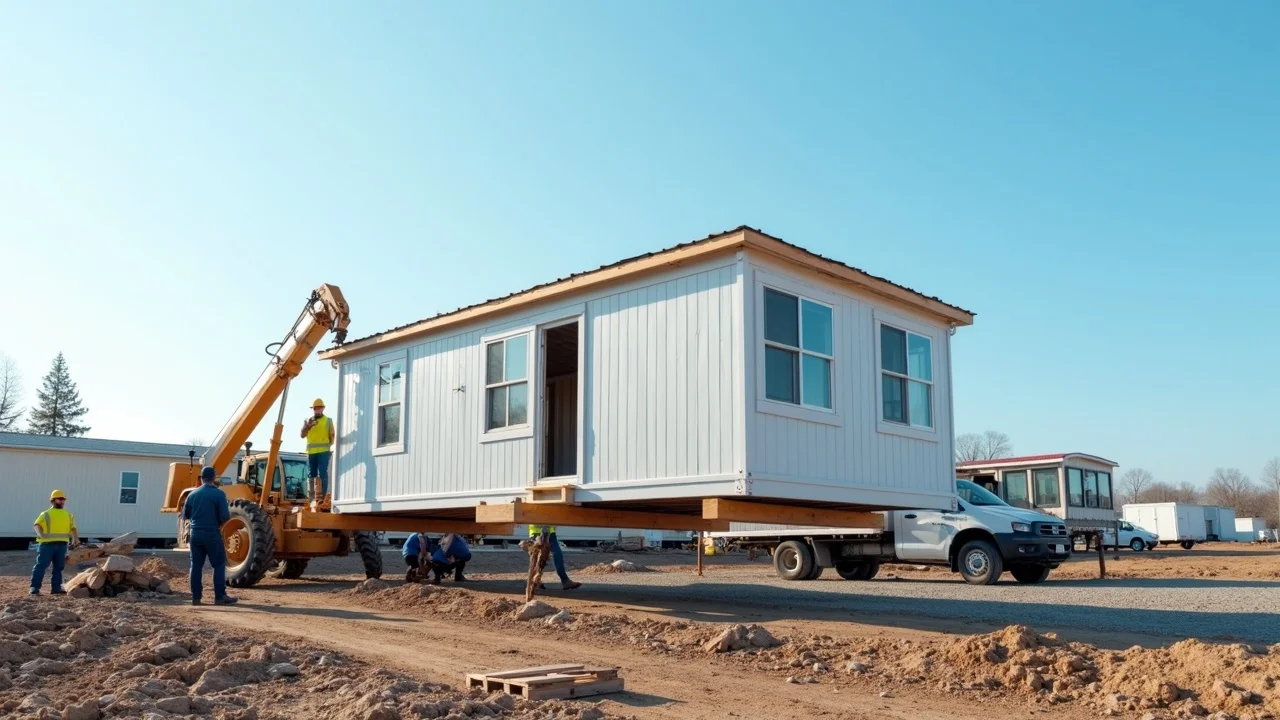
Site preparation follows, with your chosen plot cleared, leveled, and made ready for the home’s foundation. While this stage shares similarities with traditional construction, modular homes benefit from parallel factory production—meaning modules can be manufactured while the foundation work is underway, drastically reducing the overall timeline. Once the modules are ready, they are carefully transported and assembled on-site by trained crews, typically within a few days. The final home undergoes thorough inspection to ensure compliance with local building codes and industry standards, ensuring your new home is safe, durable, and fully move-in ready.
Watch a behind-the-scenes look at modular home construction—from detailed floor plans to the moment modular sections are craned into place, making dream homes a reality in weeks instead of months.
Customization and Modular Home Floor Plans: Creating Your Dream Home

Popular Modular Home Floor Plans for Louisiana & the Gulf South
One of the greatest advantages of modular housing is the wide variety of customizable modular home floor plans available to homeowners. Whether you’re searching for a compact tiny home or a spacious multi-bedroom layout, modular home builders in Louisiana offer floor plans that embrace everything from open-concept living space designs to energy-efficient upgrades. Flexibility is a major draw: you can select plans that include mudrooms for handling Gulf Coast weather, elevated living spaces to withstand flooding, as well as bonus spaces ideal for work or relaxation.
The range of modular home floor plans makes it easier to tailor your home to your preferences and the unique climate of the Gulf South. Many models also allow for eco-friendly features—like solar panels and energy-efficient windows—that give you both savings on monthly bills and a lighter environmental footprint. Let’s look at some examples of popular floor plans below.
Sample Modular Home Floor Plans
Plan Name | Square Footage | Layout Features | Eco-Friendly Upgrades |
|---|---|---|---|
The Southern Charm | 1,250 sq. ft. | Open kitchen/living space, 3 bedrooms, elevated porch | Energy Star windows, LED lighting |
Bayou Breeze | 950 sq. ft. | 2 bedrooms, raised foundation, hurricane-rated roof | Solar ready, low-flow fixtures |
Gulf Coast Retreat | 800 sq. ft. | Single-story, open floor plan, optional office nook | Programmable thermostat, recycled materials |
How to Choose the Right Home Floor Plan for Your Needs
When selecting the best modular home floor plan for your lifestyle, consider factors such as family size, future plans, hobbies, and how much living space you truly need. Think about features unique to Louisiana living: for instance, raised floor plans for flood-prone areas, energy-efficient layouts to keep cooling costs down in the summer, and multi-purpose spaces for entertaining or working from home. Most modular home builders provide virtual tours and 3D renderings to help you visualize the finished product before you commit.
It’s also smart to review local regulations and talk with your builder about customizable upgrades that make sense for long-term comfort and sustainability. Whether your dream home is a small, eco-friendly retreat or a spacious gathering place for family events, modular homes offer unmatched adaptability and reliability to fit every need and budget in the Gulf South. Don’t hesitate to seek out partner builders with solid reputations and transparent processes for the smoothest experience possible.
Sustainability, Energy Efficiency, and Modular Construction’s Environmental Impact
Eco-Friendly Materials and Energy-Efficient Innovations in Modular Housing
Comparing environmental footprint: modular homes vs. site-built homes
Benefits of modular construction for coastal environments in Louisiana
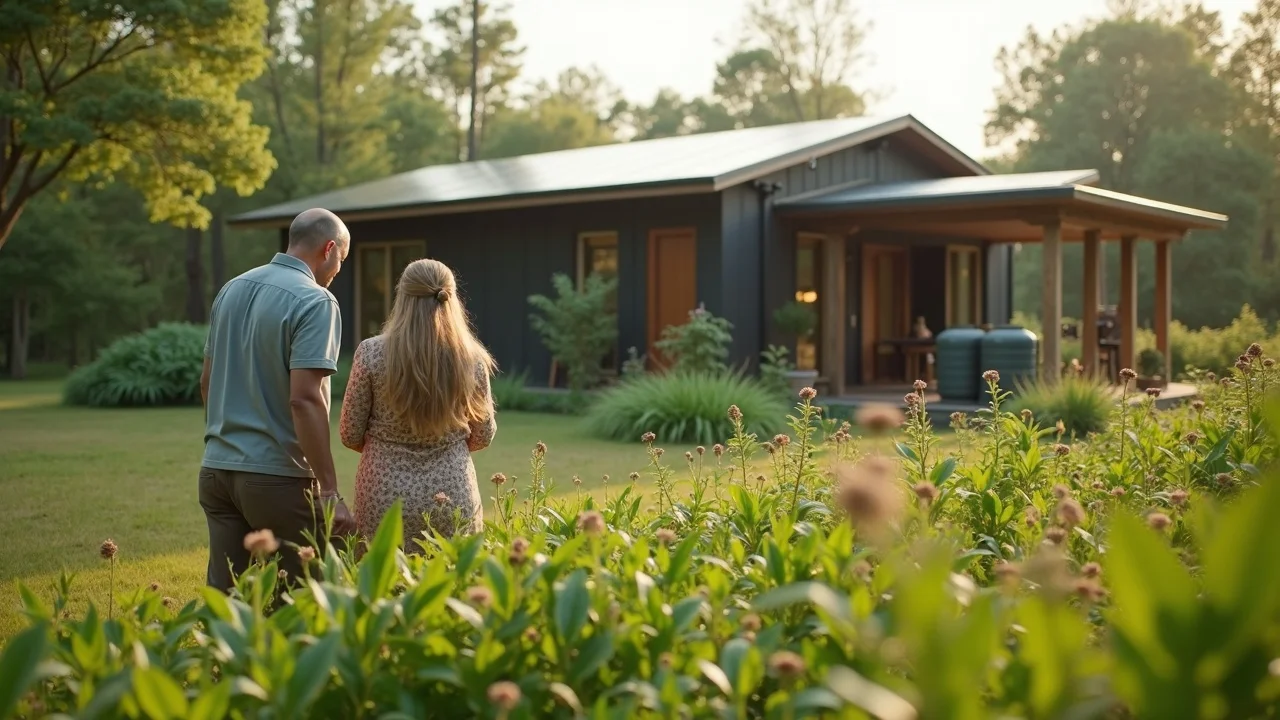
Modular homes offer a powerful solution for eco-conscious buyers looking to reduce environmental impact. Because modular homes are built in a controlled environment, they produce less waste, maximize resource efficiency, and can easily accommodate energy-saving features like solar integration, high-performance windows, and efficient HVAC systems. The precision and standardization of the modular construction process ensure tighter building envelopes, which translates to lower heating and cooling costs and a smaller carbon footprint compared to most traditional site-built homes.
Sustainability is particularly important in the Gulf South, where weather extremes and rising energy bills are common. Modular construction allows for enhancements such as raised foundations and advanced insulation to help withstand hurricanes and flooding, while supporting the adoption of renewable energy systems. These homes are designed for both durability and efficiency, making them ideal for coastal living and reducing long-term costs for families in Louisiana and beyond.
Modular Home Regulations in Louisiana and the Gulf South
Working with Local Authorities and Building Codes
Approval processes for modular homes
Coordination with local authorities for modular home installation
Flood zone considerations and insurance factors in the Gulf South
Navigating regulations in Louisiana and the Gulf South means understanding building codes, zoning laws, and flood zone requirements. Modular homes must meet the same (and often more rigorous) standards as traditional homes, but approval processes can include additional steps, such as special permits for elevated foundations in flood-prone areas. Homeowners are encouraged to work closely with experienced modular builders and local officials to ensure a seamless process—from initial site preparation to final inspection.
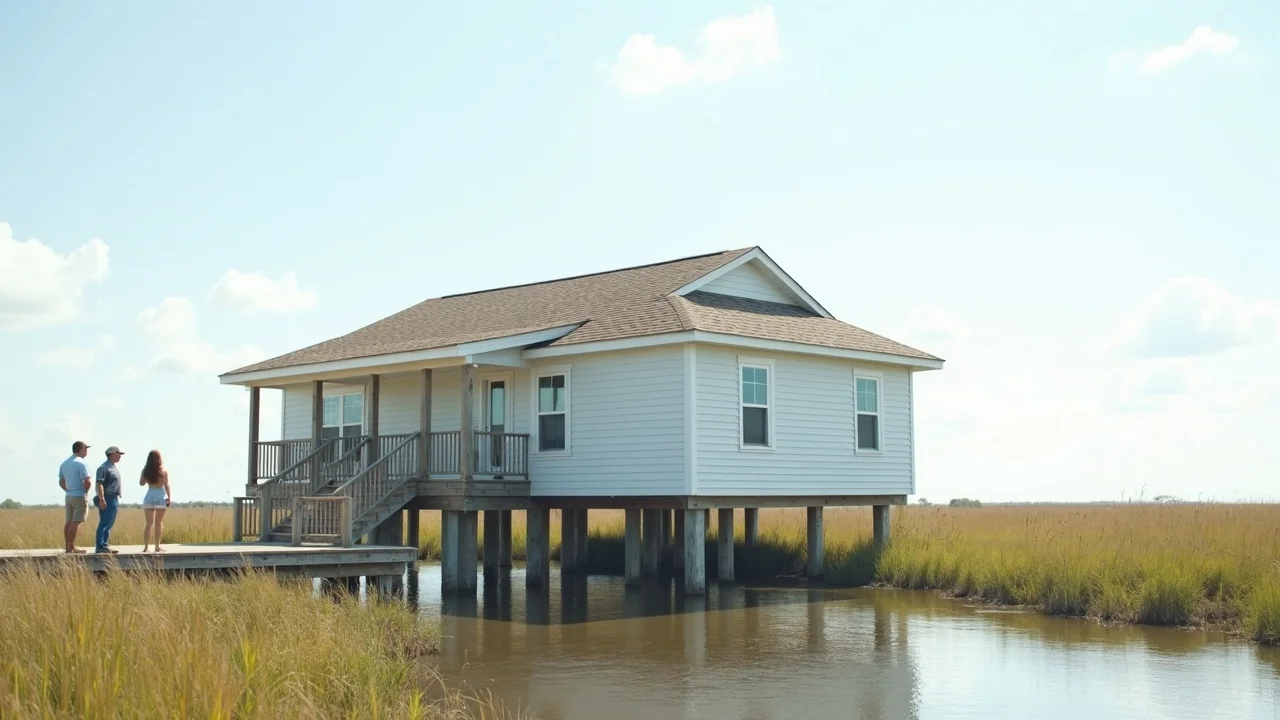
Flood insurance, hurricane resilience, and local building codes should be top priorities. In most Gulf Coast communities, placing modular homes on pilings or raised foundations is required for added protection and peace of mind. Reliable builders will coordinate with local authorities, provide the necessary engineering reports, and ensure every aspect of your new home complies with the latest standards for safety, structural integrity, and environmental stewardship.
“Thanks to modular construction, our family moved into our new home in record time and with far less waste.” – Louisiana Modular Homeowner
The Future of Modular Housing: Why Modular Homes Are Growing in Popularity
Future Trends in Modular Construction and Home Design
Rising demand for tiny homes in Louisiana’s urban and rural communities
Advances in modular home technology and design
Potential for broader adoption of modular housing across the Gulf South
All signs point toward continued innovation and demand for modular housing throughout Louisiana and the Gulf South. The growing popularity of tiny homes and accessory dwelling units (ADUs) reflects a shift toward minimalist, sustainable living. Advances in modular home floor plans, smart home technology, and energy efficiency are making these homes increasingly attractive—offering flexible options that address both affordability and environmental resilience.
As more families, young professionals, and retirees seek affordable living in areas prone to storms and flooding, the future of modular construction will likely involve even greater customization, more advanced green building materials, and expanded outreach to rural and lower-income communities. This innovative approach positions modular homes not just as a niche solution, but a mainstream choice for the next generation of homebuyers.

See what’s new in modular housing: Explore how 2024’s cutting-edge materials, digital design, and manufacturing breakthroughs are shaping the next wave of fast, affordable homes.
People Also Ask: Modular Housing FAQs
What does “modular” mean in housing?
Answer: Modular housing refers to homes constructed in a factory as modules, then transported and assembled on-site. Unlike manufactured homes, modular homes meet traditional construction codes and can be customized in design and finishing.
Is it cheaper to build a house or get a modular?
Answer: Generally, modular housing offers cost savings due to factory efficiencies, reduced labor, and faster timelines, but site-specific factors may impact the final price.
Does Maryland allow modular homes?
Answer: Yes, Maryland permits modular homes, but regulations may vary by county. It is important to check with local authorities regarding zoning and installation requirements.
What exactly is a modular home?
Answer: A modular home is a house built in sections at a factory, transported, and assembled on a permanent foundation. Unlike manufactured homes, they are treated the same as site-built homes in terms of property value and financing.
Key Takeaways For Modular Housing in Louisiana and the Gulf South
Modular housing delivers fast, affordable, and eco-friendly home solutions
Customization through modular home floor plans is widely available
Local regulations and site preparation are pivotal for successful installation
Future trends suggest continued modular housing growth regionally
FAQs: Essential Answers About Modular Housing
How do modular homes differ from manufactured homes?
Modular homes are built to local and state building codes and placed on permanent foundations, while manufactured homes are built to federal HUD code and usually placed on non-permanent chassis.Are modular home floor plans customizable for Louisiana’s needs?
Yes, modular home floor plans can be highly customized, including elevated configurations, energy-efficient upgrades, and layout changes to suit family or site requirements.What should homeowners consider before choosing modular housing?
Consider local regulations, flood risks, insurance, builder reputation, and your specific floor plan and customization needs for the Gulf South climate.Is modular housing suitable in flood-prone areas of the Gulf South?
Yes, modular homes are often elevated on pilings and engineered to withstand flooding, making them a strong choice for coastal and flood-prone communities.
Explore Modular Housing – Building A Tiny Home? Contact ManCo Rentals & Sales Today!
Ready to start your journey toward a fast, affordable, and eco-friendly tiny home? Contact ManCo Rentals & Sales today to personalize your dream home or tiny house in Louisiana and the Gulf South.
As you consider the possibilities of modular housing for your next home, remember that the right partners and resources can make all the difference in your building experience. Whether you’re interested in the technical aspects of modular assembly or want to explore innovative solutions for lifting and installation, learning more about advanced lifting services can help you plan a smoother, safer project. For those seeking a broader perspective on construction trends and equipment solutions in Louisiana, our site offers a wealth of insights to guide your next steps. Dive deeper into the world of modular construction and discover how the latest technology and expertise can turn your vision of a fast, affordable, and resilient home into reality.