
Did you know that over 40% of global carbon emissions are attributed to traditional construction materials? As green building surges across the Gulf South, eco-friendly building materials are transforming how communities in Louisiana build safe, efficient, and affordable homes—especially tiny homes. This guide uncovers the essential benefits, practical tips, and ways these innovative materials are shaping the future of sustainable building in your region.
An Eye-Opening Look at Eco-Friendly Building Materials in Today’s Green Building Landscape
Startling Fact: Over 40% of global carbon emissions are attributed to traditional construction materials.
Eco-friendly building materials are no longer a niche interest—they represent the future of sustainable construction worldwide, especially in places like Louisiana where climate resilience and cost savings matter most. By shifting toward environmentally friendly construction materials such as bamboo, recycled steel, hempcrete, and natural insulations, both homeowners and builders benefit from improved energy efficiency, reduced carbon emissions, and healthier living spaces.
The construction industry in Louisiana and the Gulf South is increasingly embracing green building techniques, using sustainable building materials to make homes stronger and more livable—particularly for people pursuing the tiny home lifestyle. For tiny home owners, every decision counts. Choosing green material options maximizes insulation, minimizes toxins, and ensures your new home stands up to the region’s damp climate, all while keeping your carbon footprint to a minimum. Read on to see why the building products you choose can change your health, budget, and future for the better.

What You’ll Learn About Eco-Friendly Building Materials
The environmental and economic advantages of sustainable building
How eco-friendly building materials impact health and the environment
Key types and examples of green building products
The role of eco-friendly building materials in tiny home construction in Louisiana and the Gulf South
Understanding Eco-Friendly Building Materials: Definition, Types, and Features
What Are Eco-Friendly Building Materials?
Eco-friendly building materials (sometimes called green materials or sustainable materials) are products designed or sourced to minimize environmental impact. These building materials are created with the intention to reduce energy consumption, eliminate toxic emissions, and make use of renewable or recycled raw materials. For example, bamboo grows rapidly and is renewable, while recycled steel repurposes existing materials to avoid excess mining and processing.
Unlike conventional construction materials—think concrete and virgin plastics—eco-friendly alternatives are often non-toxic, biodegradable, and lighter on the environment throughout their entire life cycle. They help lower greenhouse gas emissions during manufacturing and keep indoor air cleaner for occupants. These materials are not only a smart choice for sustainability but are quickly becoming essential for anyone serious about building a resilient, healthy, and budget-friendly home in the Gulf South.
Key Features That Make a Building Material Sustainable or Green
Low embodied energy
Non-toxic ingredients
Source renewability
Recycled content
The most important attributes of sustainable building materials include renewal rates, non-toxicity, and low carbon or embodied energy throughout production and installation. Materials like sheep’s wool, cellulose, and rammed earth use significantly less energy than traditional options due to local sourcing and minimal processing. Non-toxic content means these materials lack harmful VOCs (volatile organic compounds) found in many paints, sealants, and adhesives, protecting your indoor air quality. Lastly, sourcing renewable or recycled material content—such as recycled plastic or reclaimed wood—ensures less raw material extraction and less landfill waste, making each green building project that much more impactful.
For those interested in how sustainable materials can be integrated into specialized construction projects, exploring the use of advanced lifting solutions and equipment can further enhance efficiency and safety. Learn more about innovative approaches in the industry by visiting SEPco Lifting – Manco, which highlights practical applications of modern construction technology.

Why Louisiana and the Gulf South Need Eco-Friendly Construction Materials
“Sustainable building materials aren’t just a trend—they’re a necessity for climate resilience along the Gulf Coast.”
Louisiana and the Gulf South face heightened environmental risks: hurricanes, flooding, humidity, and rising energy costs. Choosing eco-friendly building materials like bamboo, insulated concrete forms, and mineral wool not only mitigates these risks by increasing weather-resilience but also positions your home for better comfort and lower utility bills. On a larger scale, using green construction materials in the region helps conserve natural resources, reduces the demand on overstressed raw material supplies, and keeps toxic runoff and air emissions low—benefiting both homeowners and the broader ecosystem. As the climate challenges grow, selecting sustainable materials is key for tiny homes and traditional builds alike.
Comprehensive Table: Comparing Common Eco-Friendly Building Materials
Material | Green Material | Key Benefits | Application | Average Cost | Carbon Footprint |
|---|---|---|---|---|---|
Bamboo | Yes | Rapidly renewable, lightweight, strong | Flooring, framing | $$ | Very Low |
Recycled Steel | Yes | Durable, fire-resistant, high recycled content | Framing, roofing | $$$ | Low |
Insulated Concrete Forms | Partial | Superior insulation, flood resistance | Walls, foundations | $$$ | Moderate |
Rammed Earth | Yes | Low embodied energy, excellent for hot climates | Walls | $$ | Very Low |
Cork | Yes | Biodegradable, renewable, hypoallergenic | Flooring, insulation | $$ | Very Low |
Hempcrete | Yes | Carbon negative, breathable, lightweight | Walls, insulation | $$$ | Very Low |
Recycled Plastic | Yes | Repurposes waste, water-resistant, versatile | Decking, panels | $$ | Low |
1. Energy Efficiency Gains with Eco-Friendly Building Materials

Switching to eco-friendly building materials leads directly to lower energy consumption and utility costs, a primary reason why many Gulf South residents and tiny home owners are adopting the green building approach. High-performance options like mineral wool, cellulose, and sheep’s wool insulations can dramatically reduce reliance on mechanical heating and cooling—the main sources of carbon dioxide emissions and expense in most homes. These materials keep indoor temperatures stable even during extreme southern summers or cold snaps, so you spend less on air conditioning or heat.
Innovative green building products also integrate features like cool roofs, passive solar design, and advanced window systems, doubling down on energy savings. In tiny homes, where every inch counts, using tight, sustainable insulation means more comfortable living and fewer drafts. Over a typical year, Louisiana homeowners using eco-friendly construction materials have reported 20–30% reductions in their energy bills—a meaningful benefit that adds up quickly.
Green Building Material Innovations for Tiny Homes
Tiny homes present unique opportunities for creative and impactful green material applications. Builders are increasingly using recycled steel for tiny home frames due to its high strength-to-weight ratio and lower embodied carbon. Other common upgrades include ultra-efficient insulation panels, dual-purpose fixtures made from recycled plastic, and energy systems that maximize output from the region’s abundant sunlight. Builders in Baton Rouge and New Orleans, for example, are known for their creative use of reclaimed wood, which provides beauty, structural integrity, and eco-friendly appeal in one package.
These innovations don’t just make your home friendlier to the environment—they also boost its value and livability. Whether retrofitting a shipping container, building with rammed earth, or craving a rustic-modern look with sustainable timber, the options for green tiny home construction in Louisiana have never been better or more varied.
Sustainable Insulation Options: Mineral Wool, Cellulose, Sheep’s Wool
Reduced heating/cooling need
Improved indoor comfort
Insulation is a foundational piece of energy-efficient, sustainable building. Mineral wool, cellulose, and sheep’s wool are top eco-friendly alternatives for tiny homes and traditional builds. Mineral wool is fire-resistant, pest-resistant, and stores heat in winter just as well as it expels it in summer. Cellulose uses upcycled newspaper, reducing landfill waste and out-performing many fiberglass options. Sheep’s wool is naturally hypoallergenic and provides excellent thermal performance without toxic by-products.
Choosing green insulation means fewer temperature swings and higher comfort, translating into a cozy, healthy indoor environment and significant year-over-year cost savings. Plus, these sustainable materials retain their effectiveness throughout their life cycle, making them a smart, long-term investment.
2. Superior Indoor Air Quality from Sustainable Building Material Choices
Low-VOC and Non-Toxic Construction Materials

Many conventional construction materials contain volatile organic compounds (VOCs) and toxic chemicals that can leach into your home’s air. By selecting eco-friendly building products—including paints, sealants, insulation, and floor coverings certified to be low- or zero-VOC—you dramatically improve the quality of the air your family breathes. Materials such as cork, bamboo, solid wood, and natural wool insulation emit little to no toxins, reducing the risk of health complications like allergies, asthma, and headaches.
In the Gulf South’s climate, good indoor air matters even more. Humidity can interact with toxic chemicals from traditional construction materials, making poor air quality issues worse. By choosing green building options, you aren’t just investing in sustainability—you’re actively safeguarding your health, comfort, and daily wellbeing.
Case Example: Tiny Home Owners in New Orleans Benefit from Healthier Air
“Switching to green building materials has transformed our home’s air quality—no more harsh odors or allergies.” — Gulf South Tiny Homeowner
Tiny home owners in New Orleans are especially sensitive to the need for better air quality, given the compact living spaces and humid Gulf conditions. Recent transitions from conventional paints and carpet to bamboo floors, cork underlayment, and mineral-based finishes have resulted in measurable improvements: fewer allergy flare-ups, less need for air purifiers, and a more inviting living environment. Choosing the right green material can make a striking difference in your daily comfort and long-term health.
3. Eco-Friendly Building Materials Lower Your Environmental Footprint
Cutting your carbon footprint starts with what you build from: using eco-friendly building materials means choosing products with low embodied carbon, high recycled content, and processes that use less water and create less waste. Every step—sourcing, manufacturing, shipping—of a green building material’s life cycle has been scrutinized to limit greenhouse gas and carbon dioxide emissions, especially compared to conventional construction industry standards.
Tiny homes and larger builds alike benefit from construction materials such as recycled plastic, bamboo, and rammed earth, all designed to yield less landfill waste and require fewer natural resources. Homeowners can also actively participate in reducing their environmental impact by recycling construction scraps, donating leftover materials, and opting for suppliers committed to eco-friendly practices.
Choosing Building Materials With Low Embodied Carbon
Embodied carbon refers to the total emissions generated over a material’s life cycle: extraction of raw materials, processing, manufacturing, transportation, and installation. Using bamboo, recycled steel, or rammed earth means you’re choosing products with drastically lower embodied carbon compared to concrete or virgin plastic. As the world becomes increasingly aware of climate change, Gulf South builders are prioritizing materials with verified low carbon footprints—reducing not only a home’s direct emissions but also its indirect environmental toll.
Opting for locally sourced green material options also trims transportation emissions, and supports sustainable regional supply chains—a win-win for both you and the planet.
Utilizing Recycled Plastic and Recycled Steel in Construction
Less landfill waste
Reduced demand for natural resources
Recycled steel and recycled plastic are two superstar building products for sustainable construction. When steel is recycled, it “closes the loop,” saving energy, water, and greenhouse gas emissions otherwise used to create new steel from iron ore. Likewise, recycled plastic takes what would become waste in landfills and reimagines it as durable decking, fixtures, and even interior finish panels.
In the Gulf South, local projects have shown that these materials not only reduce environmental impact but also match or out-perform traditional options in terms of strength, lifespan, and aesthetics. Using more recycled material means saving on both raw material and disposal costs.
4. Cost Savings and Affordability of Green Building Products
Recycled and Locally Sourced Construction Materials Can Reduce Project Costs

One of the most common misconceptions about eco-friendly building is that it is always more expensive. However, for many projects—especially tiny homes—locally sourced and recycled materials are increasingly affordable. Regional suppliers in Louisiana offer reclaimed wood, bamboo, hempcrete, and even recycled steel at prices that rival or beat their conventional counterparts, thanks to lower transportation costs and growing demand.
Moreover, using green building products reduces long-term costs: better insulation means lower utility bills, low-maintenance surfaces need fewer repairs, and durable materials like recycled steel or rammed earth require fewer replacements over a home’s lifespan. Keeping dollars local by buying from Louisiana-based providers improves project affordability and strengthens community economies.
“Building materials from local suppliers help tiny home projects stay eco-friendly—and budget-friendly.”
5. Long-Term Durability and Reliability: Why Sustainable Materials Last Longer
Bamboo, Recycled Steel, and Rammed Earth as Durable Green Materials
Eco-friendly building materials also stand out for their longevity and resilience. Bamboo, when treated and installed properly, rivals hardwoods for strength and resists pests and moisture. Recycled steel is known for its impressive lifespan, fire resistance, and ability to withstand the Gulf South’s intense weather. Rammed earth, another durable choice, is naturally pest-resistant and built to endure the region’s fluctuating humidity.
These sustainable options often outlast traditional construction materials, saving homeowners money on replacements and repairs and reducing the use of raw materials over time. The life cycle advantages of these green building products are clear, making them a smart, lasting investment for residents looking to minimize waste, maximize cost savings, and avoid constant upkeep.
Weather Resilience: Eco-Friendly Building Materials for the Gulf South’s Climate
Resistance to mold, pests, and hurricanes
Enhanced lifespan versus conventional materials
Louisiana’s hot, humid, and hurricane-prone conditions require building materials that are up to the challenge. Eco-friendly options like recycled steel, insulated concrete forms, and bamboo not only offer strength but also resist mold, termites, warping, and water damage far better than many standard materials. This means fewer health risks and longer-lasting homes that are ready for the next major storm or flood.
Investing in sustainable building material options is a proven way to keep your home safe, comfortable, and low-maintenance in the region’s often unpredictable weather.
Watch a real-life walk-through showcasing the eco-friendly building features in a finished Gulf South tiny home—spotlighting sustainable materials, high-performance insulation, and creative energy systems making a big impact in a small space.
6. Contribution to Health and Wellness: Healthiest Building Material Choices
Natural Insulation: Cork, Wool, Hemp-Based Materials
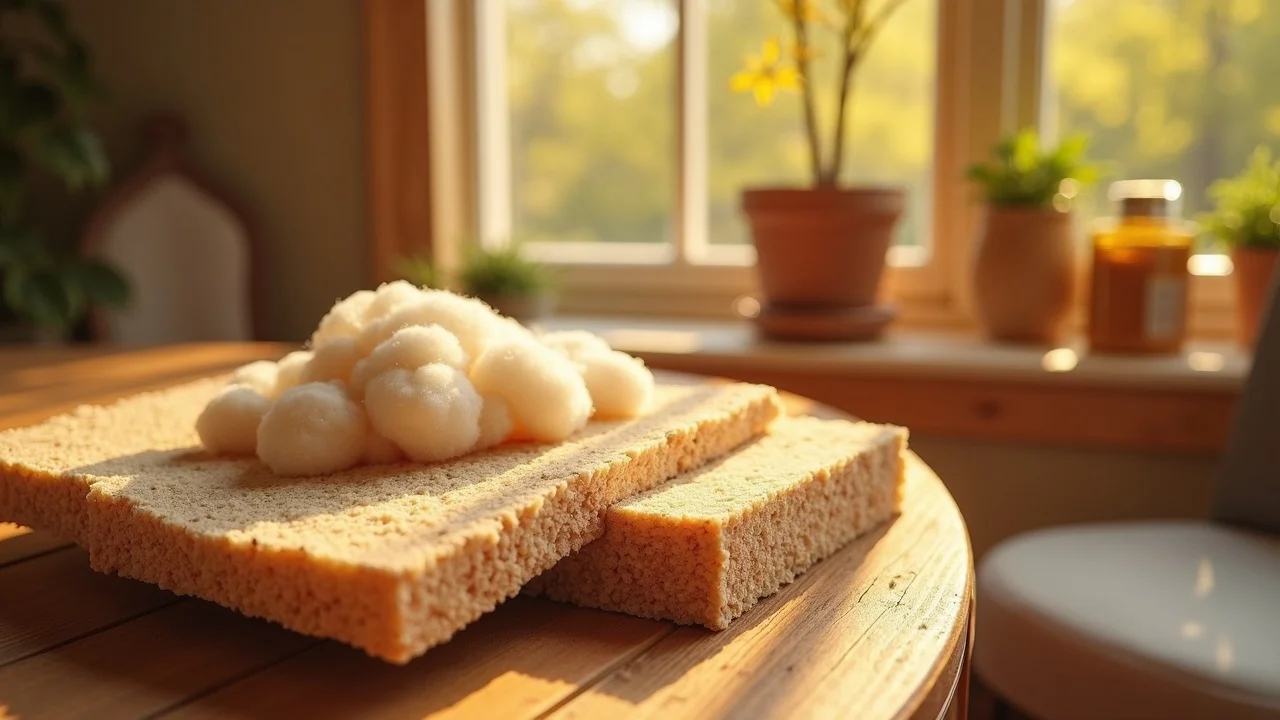
Green building materials offer direct health benefits beyond just cleaner air: natural insulation products like cork, sheep’s wool, and hemp are hypoallergenic, naturally antimicrobial, and free from formaldehyde or other dangerous chemicals. These options regulate humidity, discourage mold growth, and provide gentle, warm surfaces perfect for families with children, elderly, or anyone with sensitivities.
Unlike conventional alternatives, these sustainable building material choices help build a relaxing, healthy environment that supports well-being over the life of the home. For tiny home owners, where space is tight and interior air circulation matters more, these friendly materials deliver comfort and peace of mind.
Benefits for Families with Allergies and Respiratory Concerns
Hypoallergenic surfaces
Reduced toxicity exposure
Low-toxicity floors, wall panels, and insulations help protect families—especially those dealing with allergies, asthma, or other respiratory concerns. Cork and wool are natural mold deterrents, while hemp-based materials inhibit the growth of harmful bacteria. Using these eco-friendly building products helps families in Louisiana focus less on potential health risks and more on enjoying their living spaces, knowing harmful chemicals and allergens are kept out.
Switching to green, natural insulation and finishes is one of the most impactful steps you can take for both immediate and long-term health, especially in the climate and lifestyle of the Gulf South.
7. Supporting Local Economies with Sustainable Building Materials
Sourcing Eco-Friendly Construction Materials from Louisiana Suppliers
Choosing eco-friendly building materials sourced from Louisiana and the Gulf South does more than just help your project’s sustainability profile. It sustains local jobs, strengthens community connections, and drives demand for renewable and recycled resources in the area. Many local artisans and suppliers are ready to provide hand-crafted green building materials from bamboo, sustainable timber, and reclaimed goods.
By partnering with regional suppliers, tiny home builders tap into unique materials with shorter transportation routes and a lower overall carbon footprint. This, in turn, keeps green building affordable, accessible, and tailored to the particular challenges and opportunities of living in Louisiana and neighboring Gulf Coast states.
8. Flexibility and Creativity in Tiny Home Design with Green Materials
Innovative Uses of Recycled Plastic, Sustainable Timber, and Rammed Earth
Eco-friendly building materials aren’t just about function—they unlock new possibilities in creative design. Recycled plastic can be shaped into custom finishes, ceilings, or outdoor decks, while sustainable timber brings organic warmth and character to interiors. Rammed earth adds texture and color unique to each build, often using soils dug from the property itself.
Green building empowers tiny home builders to personalize every element, align with their environmental values, and even create hybrid designs that blend multiple sustainable materials for maximum efficiency and visual impact. Across Louisiana, designer-builders are forging a signature “Gulf Coast Green” style: homes that look, feel, and function distinctively thanks to resourceful use of friendly, sustainable materials.
Watch expert advice and inspiration from local tiny home specialists sharing their favorite ways to combine recycled plastic, timber, and rammed earth in beautiful, functional tiny homes designed for the Gulf South.
People Also Ask About Eco-Friendly Building Materials
What material is 100% biodegradable?
Many natural materials like bamboo, cork, straw bales, and adobe are considered 100% biodegradable and widely used in eco-friendly building materials.
Is there an eco-friendly alternative to concrete?
Alternatives include rammed earth, hempcrete, and recycled fly ash blocks, all of which serve as green building options with smaller environmental footprints.
What is the healthiest building material?
Natural and non-toxic options like cork, bamboo, solid wood, and wool insulation are considered healthiest, emitting little to no VOCs.
What building material has the lowest carbon footprint?
Recycled steel, bamboo, and reclaimed wood rank among the lowest in embodied carbon when compared to conventional building materials.
FAQs: Everything You Need to Know About Eco-Friendly Building Materials
Are eco-friendly building materials more expensive than traditional ones?
Eco-friendly building materials can sometimes have higher upfront costs, but the long-term savings on energy and maintenance, along with potential tax credits, often make them the more cost-effective choice overall.How can eco-friendly materials improve energy efficiency in tiny homes?
Green insulation products and high-performance windows create an airtight envelope, reducing heating and cooling loads. This lowers your utility bills and carbon footprint throughout your home’s life cycle.What certifications should I look for when purchasing green building products?
Look for trusted certifications like LEED, GreenGuard, FSC (Forest Stewardship Council), and Energy Star to ensure your chosen materials meet strict sustainability and safety standards.
Key Takeaways for Eco-Friendly Building Materials in Tiny Homes
Eco-friendly building materials are essential for sustainability, cost savings, and health
Green materials support resilient, long-lasting homes in the Gulf South
Tiny home builders in Louisiana have unparalleled access to innovative, sustainable solutions
As you consider the many advantages of eco-friendly building materials for your tiny home or next construction project, remember that sustainable choices extend beyond just the materials themselves. Embracing innovative equipment and advanced construction techniques can further elevate your project’s efficiency, safety, and environmental impact. For a deeper dive into how modern technology and specialized solutions are shaping the future of building in Louisiana and the Gulf South, explore the insights and resources available at SEPco Lifting – Manco. Discover how integrating the right tools and strategies can help you achieve your green building goals with confidence and expertise.
Looking for Eco-Friendly Building Materials for Your Tiny Home? Contact ManCo Rentals & Sales Today!
Ready to build or upgrade your tiny home in Louisiana or the Gulf South? Contact ManCo Rentals & Sales today for expert advice, the best selection of green building products, and personal service you can trust.