
Did you know?Over 17 million shipping containers are estimated to circulate the globe, but less than 6 million are actually in use for transport at any given time. This fascinating fact uncovers a vital truth: the world of shipping container options is far more layered and dynamic than most people realize. From bustling ports to remote build sites and creative living spaces, choosing the right container—whether new, used, or refurbished—impacts quality, project cost, and long-term satisfaction. This article cuts through confusion by breaking down everything you need to know about container types, grades, sizes, pricing, and the complete lifecycle of these versatile steel giants.
A Surprising Statistic: How Shipping Container Options Shape Global Trade
Every second, commercial ports worldwide handle millions of tons of cargo inside a patchwork of containers. Yet, only a fraction—approximately one in three—are actively journeying across oceans at any given moment. The rest linger in depots, are repurposed for storage, or find second lives as pop-up shops, offices, or homes. This massive churn supports a global supply chain where the choice of shipping container options—new, used, or refurbished—affects everything from goods security to operating costs and creative reuses in dozens of industries. Understanding these differences isn’t just for logistics insiders; it empowers anyone sourcing containers for shipping, storage, or bold architectural projects to get better quality and value.

What You’ll Learn About Shipping Container Options
Understand the key differences between new, used, and refurbished shipping container options
Identify the right container type and size for your project
Learn how condition and grade impact container price and quality
Find answers to common shipping container options questions
“Over 17 million shipping containers are estimated to circulate the globe, but less than 6 million are actually in use for transport at any given time.”
1. Understanding Shipping Container Options: An Overview of Container Types, Sizes, and Grades
Shipping container options extend beyond mere rectangles of steel. Whether you’re in the logistics business, planning a pop-up café, or seeking secure on-site storage, knowing the range of container types and container sizes matters. There are common types like dry containers for general cargo, specialized reefer containers for temperature control, as well as high cube and open side shipping containers tailored for oversized loads or rapid access. Critical attributes—like grade, structural condition, and certification—determine if a unit is suited for international shipping, local storage, or conversion project. Getting these details right ensures your chosen shipping container is durable, fits your budget, and meets statutory regulations without surprises.
Key Shipping Container Types: Dry, Cube, Open Side, and More
The world of shipping container options is highly diverse, driven by decades of innovation and practicality. The dry container is the most common type worldwide, boasting a solid steel frame and corrugated walls, suitable for bulk cargo, retail goods, or basic storage. For those with taller cargo, high cube container options add about a foot of extra vertical space—an advantage for climate-controlled builds or stacking lighter loads. Open side containers offer extensive side access, making them practical for loading awkward or oversized materials, while insulated containers and refrigerated (reefer) containers are indispensable for sensitive goods, like pharmaceuticals or perishable foods. This spectrum of container types means there’s a tailored solution whether you’re outfitting a construction site, launching a mobile office, or shipping products globally.

Dry containers
Open side containers
High cube containers
Insulated containers
Refrigerated (reefer) containers
Popular Container Sizes: Which Shipping Container Option Fits Your Needs?
Container size is not a one-size-fits-all proposition. The standard 20-foot and 40-foot shipping containers dominate the market, offering flexibility in transportation and storage. However, there are variations including cube containers, which provide extra height, and custom lengths for unique applications. Determining the right container size reduces wasted space, manages costs, and ensures compliance if you’re shipping internationally. For site storage, a smaller high cube or open side container might be ideal if you’re operating in a compact urban space. For shipping bulk cargo across oceans, the full-length 40-foot or even 45-foot container could be your best bet. Always confirm dimensions, door configuration, and volume (cubic capacity) before committing to a purchase or lease.
Container Type | Length (ft) | Width (ft) | Height (ft) | Capacity (cubic ft) |
|---|---|---|---|---|
Standard Dry Container | 20 | 8 | 8.6 | 1,170 |
High Cube Container | 20 | 8 | 9.6 | 1,320 |
Standard Dry Container | 40 | 8 | 8.6 | 2,385 |
High Cube Container | 40 | 8 | 9.6 | 2,700 |
Refrigerated (Reefer) | 40 | 8 | 8.6 | 2,344 |
2. New Shipping Container Options: Pros, Cons, and Use Cases
What Makes a Container ‘New’?
When you see a fresh, gleaming steel unit at a depot, you’re looking at a new shipping container option. In industry terms, “new” or “one-trip” containers are manufactured overseas—usually in China—and shipped with only a single cargo load to their destination market. Once emptied, they’re sold as new. This means they arrive with minimal to no wear, perfectly sealed doors, and pristine paintwork. Because they haven’t experienced rough handling, stacking, or overseas weathering, these containers deliver full warranty, modern security features, and unmatched longevity. New containers are almost always preferred for high-end buildouts, secure jobsite storage, or when appearance and hygiene are crucial. Buyers can expect them to comply with latest ISO and CSC safety standards for shipping container options.

Advantages of New Shipping Container Options
Longest lifespan: With no legacy dents, corrosion, or repairs, new containers last 25+ years with routine care.
Superior structural integrity: Zero structural compromises mean your container is fit for international shipment, stacking, and robust modification.
Ideal for modification projects: Pristine condition ensures easier conversion to pop-up shops, homes, or offices—no patchwork repairs needed.
New shipping container options deliver undeniable peace of mind. These containers feature the latest anti-corrosion coatings, seamless seals, and up-to-date locking hardware. For industries demanding strict cleanliness (like food, medical, or electronics manufacturers) or when long-term, high-profile use is the goal, there’s no substitute for a new unit. Even so, the higher upfront cost can be a major consideration for budget-conscious projects.
Considerations Before Buying New
Despite the advantages, buying new shipping containers may not be necessary for everyone. Initial purchase prices can be two to three times higher than buying used shipping container options. Insurance premiums also slightly increase due to the replacement value. If your intended use is temporary, basic site storage, or if the exterior aesthetic isn’t a top concern, a new unit could be more container than you need. Mind the logistics as well: lead times for delivery of new containers may be longer in certain markets or regions, and international freight costs can affect the bottom line.
3. Used Shipping Container Options: Grades, Lifespan, and Pricing
Defining Used Shipping Containers: Understanding Container Grades
Most of the shipping container options on the resale market are used units that have retired from regular cargo duty. These are further classified by a grading system that helps buyers match reliability and cost to their needs. The three main grades are Cargo-worthy (still certified for shipping), Wind and Watertight (WWT) (no holes or leaks, perfect for storage but not certified for open seas), and AS IS (sold with visible damage and at a deep discount). Understanding these grades is essential. A Cargo-worthy container often sees continued use by exporters, while WWT or AS IS units are best for static storage or creative repurposing. The grade signals not just condition, but also expected lifespan and suitability for load-bearing modifications.

Cargo-worthy
Wind and Watertight (WWT)
AS IS
Benefits and Drawbacks of Used Shipping Container Options
Used shipping containers are often the best-value option for businesses and individuals who need secure storage, temporary offices, or start a custom build on a budget. The key advantage is clear: you pay a fraction of the price of new units. Modern containers are built from weathering steel, designed to resist corrosion, so even a decade-old container can remain structurally sound. However, used container options come with caveats; older paint may be faded, dents or patches can compromise watertightness, and prior use history is sometimes unknown. These factors mean buyers must inspect units carefully, especially for critical applications or if the container will be highly visible or modified.
Price Savings: What to Expect
The price gap between new and used shipping container options is significant. A standard 20-foot used unit may sell for as little as $2,000, while a similar new container often exceeds $4,000. Larger 40-foot used containers typically range from $3,500 to $5,000, making them attractive for cost-driven projects. Savings are even larger if “AS IS” condition suffices for your needs. Just remember to budget for transport, minor repairs, sealing, and any modifications, as these costs can offset the savings if not planned in advance.
4. Refurbished Shipping Container Options: When and Why to Choose Refurbished Containers
What is a Refurbished Shipping Container?
Refurbished shipping containers bridge the gap between new and used. These units start as used containers, then undergo professional servicing: exterior rust removal, dent repair, fresh industrial paint, and sometimes new floors or upgraded locking hardware. The result is a container that looks much newer than its age, offers greater weather resistance, and lasts longer than a basic used unit. For customers who want a visually appealing solution without splurging on a new build, refurbished options add curb appeal and functional reliability, often with some form of warranty or quality assurance from the supplier.

Refurbished vs. Used: Performance, Looks, and Value
Comparing refurbished vs. used shipping container options, the differences are evident in both performance and aesthetic. Refurbished containers benefit from a controlled overhaul: structural damage is addressed, surface rust is removed, and new paint not only improves looks but also slows future corrosion. This extends lifespan, increases water and wind resistance, and makes the unit a better candidate for modular construction or deployments in highly visible locations like retail pop-ups or tiny homes. The price—usually 20-40% more than a basic used container—reflects the added work and material costs. But this investment pays off for buyers who want both savings and pride in ownership.
Who Should Choose Refurbished Shipping Container Options?
If you need a presentable, structurally solid storage or work space but new pricing is out of reach, refurbished shipping container options make excellent sense. Small businesses, builders, and creative entrepreneurs frequently choose refurbished containers for high-traffic displays, semi-permanent offices, or building block projects where weather protection and appearance matter. You’ll get reliable performance, fewer headaches, and more positive impressions than with a basic used unit. Just ensure you understand what the refurbishment process covered—and get it in writing for peace of mind.
5. Shipping Container Options by Special Features and Customizations
Custom Doors, Windows, and Side Shipping Container Options
Today’s shipping container options can be expertly customized to include everything from double doors on both ends, expansive side openings, roll-up doors, and even bi-fold glass storefronts. These side shipping container features are ideal for workshops, showrooms, or retail pop-ups needing customer access and natural light. Adding custom windows, weather-resistant awnings, or solar panel mounts not only boosts usability but also unlocks design flexibility unattainable with standard configurations. If your project has unique access or security requirements, consult with suppliers about engineering safe, compliant modifications that don’t compromise the container’s load-bearing structure or weatherproof performance.
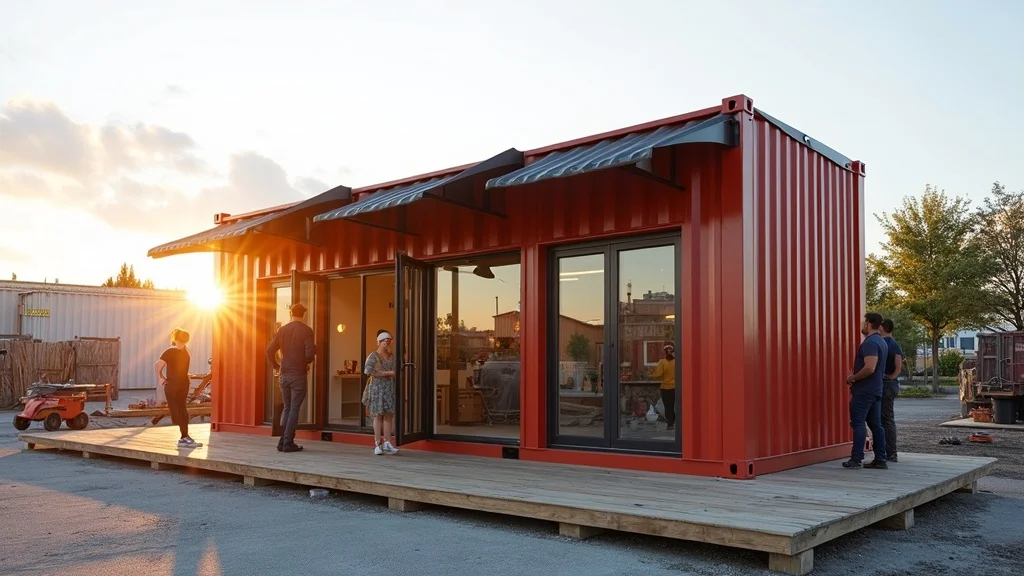
Insulation, Flooring, and Security Upgrades in Shipping Container Options
For containers intended as livable spaces, mobile offices, or food-grade storage, post-purchase upgrades are vital. Quality insulation—spray foam, mineral wool, or rigid panels—transforms a bare metal box into a comfortable, climate-controlled environment, essential in extreme weather regions. Upgraded flooring (such as heavy-duty plywood, composite laminate, or epoxy sealants) boosts durability, hygiene, and visual appeal for commercial or residential uses. Modern locking systems (like high-security padlocks or integrated deadbolts) increase theft resistance, especially on open job sites. Discuss these upgrades during purchase; not all used or refurbished containers are ready for immediate fit-out, so clear specifications will keep your project on track.

6. Storage Container Options For Different Industries and Purposes
The versatility of shipping container options is why industries from construction and retail to real estate tap into them for unique storage and workspace needs. Construction companies favor heavy-duty storage containers for secure tool and material storage on sites exposed to weather and theft. Retailers use modified containers as temporary pop-ups, event kiosks, or seasonal outlets where quick set-up and tear-down is key. Mobile offices—often constructed from high cube containers—are standard in both infrastructure and disaster recovery sectors, while creative builders have embraced containers as the backbone for tiny homes and modular living spaces. Each scenario demands matching grade, size, and features to ensure performance aligns with business or lifestyle objectives.
Construction storage
Retail pop-ups
Mobile offices
Tiny homes and living spaces
7. Comparing Costs: New vs. Used vs. Refurbished Shipping Container Options
Container Status | 20-Foot Container | 40-Foot Container |
|---|---|---|
New (One-Trip) | $4,000 – $5,000 | $6,000 – $7,500 |
Refurbished | $2,800 – $4,200 | $5,000 – $6,200 |
Used (Cargo-Worthy/WWT) | $2,000 – $3,500 | $3,500 – $5,000 |
AS IS (Heavily Used) | $1,200 – $2,000 | $2,000 – $3,500 |
Hidden Costs to Consider in Shipping Container Choices
It’s easy to compare headline prices on shipping container options, but hidden expenses can quickly add up. Shipping/delivery fees depend on distance, local crane availability, and site access. Container modifications—custom doors, premium locks, or insulation—may double overall costs. Factor in permits for permanent placements, insurance, and ongoing maintenance, especially for used containers prone to rust or leaks. If you’re prepping for a long-term project or plan heavy customization, getting a detailed, written quote from the supplier will prevent sticker shock and ensure the container works—for your needs and budget—over its full lifecycle.
8. Shipping Container Sizes and Choosing the Right Container for Your Project
Standard Container Sizes: 20-Foot and 40-Foot Explained
The backbone of global shipping and on-site storage is the standard container size: 20-foot and 40-foot lengths. A 20-foot container (20’x8’x8.6’) packs 1,170 cubic feet, suitable for small moves, on-site storage, or compact builds. The larger 40-foot variant (40’x8’x8.6’) offers double the space—nearly 2,400 cubic feet—making it the default for transoceanic freight, bulk cargo, or warehouse expansion. Both come in standard and high cube models, giving you additional options depending on stackability, transport, and clearance limits. For most buyers, assessing project needs, site dimensions, and volume to be stored informs the optimal size, whether for short-term rental or permanent installation.

High Cube vs. Standard Height Container: Volume Considerations
Choosing between a high cube container and a standard height model depends on your storage or conversion goals. High cube containers add one foot of vertical clearance, translating to about 13% more cubic capacity. This extra space is especially valuable for stacking light boxes, accommodating taller equipment, or adding ceiling-mounted utilities in mobile offices and homes. Standard height containers, on the other hand, are easier to transport and often cheaper due to their prevalence in the global fleet. Confirm site access and stacking needs before selecting; for tight spaces or low-overhead corridors, standard units are safest, while high cubes unlock greater adaptability for creative transformations.
9. Storage, Delivery, and Logistics of Shipping Container Options
How Delivery Works for Different Shipping Containers
The process of delivering shipping container options is streamlined yet highly dependent on local terrain and regulations. Containers are loaded onto specialized tilt-bed or flatbed trucks at supplier depots, then transported to your location. Delivery includes site assessment to ensure space, access, and a level surface. Installation is handled by crane, forklift, or truck-mounted tilt mechanism—but buyers should clear overhanging wires, soft ground, and ensure a solid foundation (like railroad ties or concrete pads) to prevent settling or shifting. Urban areas may require parking permits or traffic control for offloading. Discuss lead times and what’s included in freight and installation fees when you finalize your contract.
Preparing Your Site for Container Delivery
Before your container arrives, prepare by checking for a level, stable surface free of mud, debris, or obstructions. Mark clear entry paths for trucks—turning radius is vital for 40-foot containers on tight lots. If the site is uneven, pre-lay concrete footers or heavy planks. Allow at least 60–100 feet of straight, clear approach for the delivery vehicle to offload safely. Arrange on-site assistance in case doors need orientation or alignment tweaks. Proactive prep ensures hassle-free and secure placement, saving time and preventing costly site mishaps.
Stacking and Moving: Top Container Handling Tips
Handling shipping containers requires care and planning to protect workers and your investment. Containers intended for stacking must be inspected for frame integrity and corner post straightness—especially if they’re older or modified. Use proper lift points: stack using corner castings and always with certified lifting equipment. Never stack more than manufacturer recommendations or local codes permit. For moving containers on-site, forklifts should be equipped with long, heavy-duty forks and only lift empty units, as shifting loads can cause accidents. If repositioning a storage container by hand, use large rollers, levers, and a coordinated team to maintain safety and prevent damage. When in doubt, consult professional riggers to ensure safe handling at every stage.
10. Maintaining and Extending the Life of Your Shipping Container Option
Preventing rust and corrosion: Inspect your container regularly for chipped paint, especially on corners and roof. Immediately spot-apply primer and industrial paint to stop rust before it spreads.
Addressing minor repairs: Fix small dents and seal up leaks quickly; water intrusion accelerates steel decay.
When to repaint or reseal: Plan for a thorough repaint every 5–7 years for high-traffic or outdoor units, using marine-grade coatings for maximum durability and weather protection.
People Also Ask: Shipping Container Options
How much does a 20 feet container cost?
The cost for a 20-foot shipping container option varies depending on new, used, or refurbished status, but typically ranges from $2,000 to $5,000 for standard grades.
What are the different types of containers in shipping?
Common shipping container options include dry containers, open side containers, high cube containers, refrigerated (reefer) containers, and insulated containers, each catering to specific industry needs.
How much should a 20 foot shipping container cost?
A 20 foot shipping container option should cost between $2,000 (used) and $5,000 (new/refurbished), with prices influenced by grade and customization.
How much does a 40 foot container cost?
Typically, a 40-foot shipping container option ranges from $3,500 to $7,000 depending on its condition and whether it’s new, used, or refurbished.
Frequently Asked Questions About Shipping Container Options
What is the lifespan of a shipping container option?
With basic maintenance, a new container lasts 25 years or more; used/refurbished units average 10–20 years. Always check for rust, repairs, and water tightness to maximize longevity.Can I modify my shipping container option?
Yes! Containers can be customized with doors, windows, insulation, flooring, electrical systems, and more. For major structural changes, work with an experienced fabricator to ensure safety and compliance.Are shipping container options weatherproof?
Most containers are wind and watertight (WWT) by design, but always inspect for existing damage and consider resealing joints on used or modified containers for best results.
Quick-Reference: Key Takeaways for Choosing the Right Shipping Container Options
New containers offer maximum durability and appearance
Used containers deliver value for budget-conscious projects
Refurbished options combine cost savings and professional upgrades
Ready to Buy? Call ManCo Rentals & Sales Today to Discuss Shipping Container Options
Ready to take the next step? CallManCo Rentals & Salesat 877-915-7368 or Emailbrett@mancorentals.com to discuss which shipping container options match your needs and budget!
Choose smart—understand your shipping container options for lasting value, quality, and project success.