
Did you know more than 30% of Louisianans spend over a third of their income on housing? With the cost of living soaring and the housing market tightening, affordable housing options—from tiny homes and mobile homes to traditional public housing programs—are more essential than ever. If you’re seeking a practical home you can truly afford in Louisiana or the Gulf South, this guide is designed to deliver proven, local solutions that genuinely work.
A Surprising Look at Affordable Housing Options: Why They Matter in Louisiana and the Gulf South
Affordability has become a critical concern across Louisiana and the Gulf South, impacting families, singles, and retirees alike. With limited family housing and increasing rents, knowing your affordable housing options is the first step toward greater financial security and peace of mind. In states like Louisiana, where the median income often falls below the national average, understanding the variety and effectiveness of housing programs is crucial.
We’re seeing a sea change in how people pursue home ownership and rental stability. Whether you’re interested in a tiny home, single family rental, mobile home, or need to tap into a public housing program, being armed with the right knowledge helps you navigate waiting lists, eligibility, and application processes. This local focus will help you find which choices work best for your situation—right here in the Gulf South.
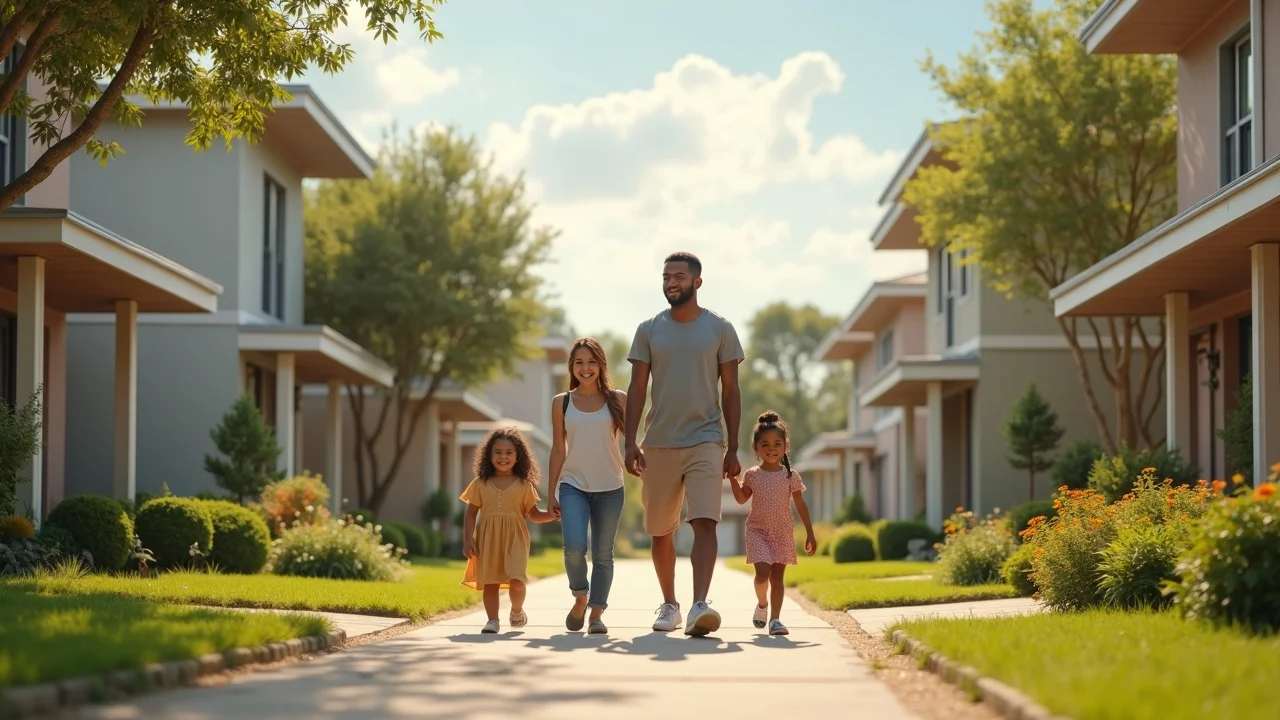
Inviting modern affordable neighborhood in a Louisiana suburb—hopeful families enjoying a welcoming atmosphere.
Affordable Housing Options in Numbers: Key Statistics You Should Know
Affordable housing is not a fringe issue—it’s mainstream and urgent. Across Louisiana, over 30% of residents face substantial housing cost burdens, especially among families and individuals with fixed or low monthly income. The United States Department of Housing and Urban Development (HUD) reports that the majority of low-income families spend at least half their income on rent and housing expenses—well above the recommended 30% threshold. These statistics underscore the necessity of quality affordable housing options today.
“More than 30% of Louisiana residents struggle with housing costs – understanding your affordable housing options is more urgent than ever.”
Additionally, data from official websites and gov website sources reveal that Louisiana has longer-than-average waiting lists for public and assisted housing programs. The result? Being proactive and informed is the best way to secure a primary residence that won’t break your budget.
As you explore these options, it’s also helpful to understand how local service providers and rental specialists can support your journey. For instance, companies like ManCo Rentals & Sales offer tailored guidance and resources for those seeking affordable housing solutions in the region, which can make the process of finding the right fit much smoother. Learn more about their approach and available services by visiting SEPco Lifting – Manco.
What You’ll Learn in This Guide to Affordable Housing Options
How to identify affordable housing options for families and single individuals
Insight on housing programs, public housing, and vouchers in the Gulf South
Comparisons between tiny homes, single family units, and mobile home options
The pros and cons of different affordable housing solutions
Eligibility, application steps, and expert recommendations
Affordable Housing Options: Definitions, Types, and Who They Serve
Navigating affordable housing options can quickly get complicated, especially with so many programs and property types available throughout the Gulf South. The right solution depends on your family size, income level, desired lifestyle, and long-term goals. In this section, we’ll define what makes housing “affordable,” the main types of affordable housing, and which groups each option best serves. Knowing these basics will ensure you’re searching for a home that truly meets your needs—whether in a bustling city or a tranquil Louisiana suburb.
Individuals and families may qualify for different affordable housing options, such as public housing, single family homes, mobile homes, or newer alternatives like tiny houses. Understanding how each option works can save you time, lessen frustration on waiting lists, and help you avoid common pitfalls when applying through housing and urban development offices or other official websites.
What Makes Housing “Affordable”?
By industry standards, housing is considered “affordable” if it costs no more than 30% of your monthly income, including rent or mortgage and utilities. This calculation helps protect individuals and families from becoming “housing cost burdened,” a status that often leads to financial stress and sacrifices in other essentials. When evaluating options such as a tiny home, mobile home, or public housing program, it’s vital to remember this key affordability threshold.
Factors like square footage, neighborhood amenities, and availability on waiting lists all influence local affordability calculations. In Louisiana’s urban centers, you may need to rely on housing program subsidies or vouchers to meet the definition of affordable housing. In rural areas, alternatives like tiny homes and mobile homes offer unique affordability advantages due to reduced overhead costs and flexible living.

Analyzing an affordable housing budget in a cozy Louisiana apartment.
Affordable Housing Solutions: Family Housing, Single Family, and More
There’s no one-size-fits-all when it comes to affordable housing options. In Louisiana, single family homes appeal to growing families seeking space and privacy, while family housing programs serve multi-generational needs in urban neighborhoods. Mobile homes and tiny homes are ideal for those looking to downsize, achieve eco-friendly living, or move more often. Public housing programs and voucher systems target income-qualifying individuals and households, providing a valuable safety net when other options are out of reach.
Each approach caters to specific populations: public housing typically serves low-income families and seniors, mobile homes work well for people seeking flexibility, and tiny homes offer cost-effective, minimalist lifestyles for young professionals and retirees. Understanding the differences—and the application process tied to each option—is crucial for making smart decisions about your home and future.
Affordable Housing Options in Louisiana & Gulf South: Why They Matter
Public housing programs have long been the backbone of affordable living for millions of Americans, including those in Louisiana and the Gulf South. Managed by local and federal agencies, these programs offer subsidized rental housing to income-eligible families, seniors, and disabled individuals. The Department of Housing and Urban Development (HUD) provides funding and oversight while local housing authorities manage daily operations, applications, and waiting lists.
Although public housing can mean time on a waiting list—especially in high-demand parishes—it often assures stable rent, routine maintenance, and neighborhood amenities. As private rents rise, many families rely on public housing or housing program assistance as their primary residence solution. Understanding your eligibility, application requirements, and rights under these programs is critical to successfully securing a spot.
Public Housing: How the Department of Housing Supports Affordable Housing

Public housing program in a Louisiana community—official hands keys to a new resident.
The Department of Housing and Urban Development (HUD) is the key federal agency overseeing public housing initiatives within the United States. Local housing authorities implement these HUD guidelines through accessible family housing and single family units in cities and rural parishes. These programs set income limits—often based on family size and area median income—to prioritize those most in need, including seniors, differently abled persons, and families with children.
To keep housing truly affordable, rent payments are typically set at 30% of the household’s adjusted gross monthly income. Both traditional public housing and the housing choice voucher program (also known as Section 8) help address Louisiana’s pressing shortfall in quality, cost-managed homes. Applicants should always refer to official websites for the latest information on eligibility, communities served, and the status of local waiting lists.
Housing Program and Housing Choice Voucher Options
For many in the Gulf South, the housing choice voucher system, widely known as Section 8, ranks among the most flexible affordable housing options available. This housing assistance program enables families and individuals to find privately-owned rental housing that fits their needs, while the government covers a portion of the rent directly with the landlord. This means greater choice in location and amenities, as well as access to a wider range of single family or multi-unit properties, including those outside traditional public housing projects.
Local housing authorities maintain waiting lists, and demand typically exceeds immediate supply, so it’s essential to apply early and keep all your documentation updated. Eligibility is generally based on income limits, family size, and U.S. citizenship or qualified immigration status. Always check the most recent requirements on your local housing authority’s gov website or HUD’s official site for program updates and application timelines.
Comparison of Key Public Housing Programs in Louisiana and the Gulf South
Program Name | Who It Serves | Income Requirements | Application Process | Waiting List |
|---|---|---|---|---|
Public Housing | Low-income families, seniors, disabled adults | ≤ 80% area median income | Paper or online application via local housing authority | Common, check local authority for estimated wait time |
Housing Choice Voucher (Section 8) | Very low-income families and individuals | ≤ 50% area median income | Apply to local housing authority; annual recertification | High demand, wait times often exceed 1-2 years |
Project-Based Voucher Program | Individuals and families; project-limited | Variable, set by property/project | Direct via property manager or housing program site | Variable, depending on community |
Tiny Homes: Small-Scale Affordable Housing Options for Modern Living
The tiny home movement has emerged as one of the most innovative approaches to affordable housing in recent years. Especially attractive to younger adults, retirees, and eco-conscious singles, tiny homes typically offer well-designed living spaces in fewer than 400 square feet. Their popularity in Louisiana and the broader United States is due in part to their minimal overhead costs, lower utility expenses, and fast setup when compared to traditional homes. Tiny homes allow both individuals and families to enjoy primary residence status while keeping financial commitments flexible.
Tiny homes can be built on permanent foundations or mobile trailers, offering a range of options. Some communities in the Gulf South are now developing “tiny house villages” with amenities, communal gardens, and mutual aid. For those who value versatility, eco-friendliness, or the opportunity to own property rather than rent, tiny home living is an increasingly attractive option.
Tiny Home Basics: Why Tiny House Living Is Gaining Popularity

Modern tiny home on a wooded Louisiana lot—affordable and eco-friendly living for singles or couples.
Tiny house living appeals not only because of its cost savings but also for its commitment to sustainability and minimalism. With average construction or purchase costs significantly below those of a single family home, tiny homes allow residents to focus on experiences rather than possessions, while still achieving primary residence status. Tiny homes are perfect for people looking to reduce their environmental impact or cut down on clutter without sacrificing comfort.
The Gulf South’s warm climate and favorable zoning laws in certain parishes make it a hotspot for tiny home development. Owners and renters of tiny homes enjoy flexibility in location, lower utility bills, and the possibility of custom design. Tiny homes offer a viable affordable housing option—provided you understand zoning restrictions and secure appropriate permits where necessary. For many, it’s an ideal way to own property and step out of long waiting lists attached to traditional public housing.
Comparing Tiny Homes, Single Family, and Mobile Home Affordable Housing Options
As housing costs rise, knowing what you get for your money is critical. Tiny homes often provide just enough square feet to live efficiently, making them well suited for singles, couples, or downsizing retirees. In contrast, a traditional single family home offers ample space, privacy, and yard area—ideal for larger families but usually at higher purchase or rental cost. Mobile homes sit between the two, balancing affordability, flexible location, and enough space for small families or couples.
While tiny homes are celebrated for their eco-friendliness and rapid setup, trade-offs include limited storage and careful attention to zoning regulations. Single family units support a more conventional lifestyle with greater responsibility for maintenance and higher monthly costs. Mobile homes provide flexibility with lower upfront investment, but may involve rental fees for land, known as lot rent, and can expose residents to fluctuating community standards.
Mobile Homes and Manufactured Housing: Affordable Housing Options for Flexibility
Mobile homes remain a popular choice for affordable housing seekers across Louisiana and the Gulf South. With lower initial purchase prices than traditional homes and the ability to relocate when needed, they represent a flexible stepping-stone to stable housing for both singles and families. Many mobile home parks in the region now feature improved amenities, community gardens, and enhanced safety protocols—signaling a shift in perception and satisfaction among current residents.
Manufactured homes add another layer of flexibility; built to federal standards and often more energy efficient, they deliver long-term affordability without sacrificing basic comforts. For families who may not want to stay tethered to one location or who need to adjust housing choices as needs change, mobile homes are an excellent alternative in today’s volatile market.
Mobile Home Options: What You Need to Know

Sunny mobile home park in Louisiana—families tending gardens and enjoying affordable flexible living.
The range of mobile home options is broader than ever. Whether you seek a compact single-wide for yourself or a larger double-wide for family housing, these homes offer notable savings in both upfront costs and monthly expenses compared to traditional single family properties. Some new manufactured homes now exceed 1,000 square feet, providing ample space for growing families and multi-generational households.
Community parks often provide added amenities such as green spaces, security lighting, and play areas—contributing to an improved community spirit. While buying a mobile home usually requires securing the land or paying ongoing lot rent, you’ll often find the process more straightforward than qualifying for a traditional mortgage or waiting for a public housing program spot. Carefully review leases and park regulations via official websites before committing, as policies can vary widely between communities.
Finding Family Housing and Single Family Mobile Home Alternatives
For families in search of more space without the steep costs, mobile homes often bridge the gap between smaller alternatives like tiny houses and higher-maintenance single family suburban homes. Many Louisiana mobile home parks offer community-focused layouts with access to schools, shopping, and healthcare. Some newer parks have adapted to demand for eco-friendly living by accepting solar installations and water-saving upgrades—making these affordable housing options even more attractive for forward-thinking families.
If you’re weighing alternatives, compare the pros and cons of mobile homes, tiny homes, and traditional single family options. Evaluate current and future needs, factor in commute times, access to support networks, and the likelihood of changes in family size. Mobile homes remain an excellent solution for many because they deliver the flexibility of relocation while still meeting basic living and security needs.
People Also Ask About Affordable Housing Options
What is the most affordable housing option?
The most affordable housing option varies by region but often includes public housing, housing programs, or tiny homes depending on eligibility and local costs.

Comparing public housing, tiny home, and mobile home options in Louisiana—choosing the best affordable solution.
What is the cheapest option for a home?
Tiny homes and mobile homes usually offer the cheapest option for a home, especially in Louisiana’s rural and suburban areas.
What do I do if I can’t afford a place to live?
Seek out affordable housing options through public housing, housing choice voucher programs, or local housing authorities in the Gulf South.
Eligibility and Application Process for Affordable Housing Options
The eligibility and application process for affordable housing options can be complex, but understanding each step helps you improve your chances of success. Most public housing programs, housing choice voucher initiatives, and low-income housing options base their requirements on your gross monthly income, family size, and residency. For alternatives like tiny homes and mobile homes, eligibility may depend more on your ability to secure financing or a suitable land lease than on income alone.
In Louisiana, the application process for public housing and vouchers typically starts online or in person at your local housing authority or through an official gov website. Be prepared to provide documentation proving income, citizenship or legal residence, details about your household, and sometimes criminal background checks or landlord references. Due to demand, many programs rely on waiting lists, so complete your application thoroughly and early.
How to Qualify for Public Housing and Housing Choice Voucher Programs
Qualifying for public housing or a housing choice voucher depends on your household’s gross monthly income compared to area median income. Documentation requirements typically include recent pay stubs, tax returns, birth certificates, Social Security numbers, and proof of current address. Be ready for interviews and background checks, and check frequently for notifications about your application status or waiting list updates. Housing programs often prioritize seniors, families with children, and those with disabilities.
While waiting lists can be long, staying in regular communication with your local office increases your visibility and chances of moving up the list. Use official websites for updates, deadlines, and to upload or mail documents safely. If approved, you’ll sign a lease or voucher agreement and may be required to recertify eligibility each year to stay in the program.
Applying for Tiny Homes, Mobile Homes, and Other Affordable Housing Solutions
For tiny homes and mobile homes, the process is different from public housing. These options generally require securing financing or purchase through a dealer, co-op, or rental agreement, along with proof that your chosen site meets local zoning and building regulations. Some non-profit organizations and local development groups support tiny house villages or mobile home parks for low-income individuals and families, often with reduced monthly rates or supportive services.
To succeed, carefully review financing options, lease agreements, and all community terms before committing. The key is to ensure the solution fits your needs for privacy, space, and long-term stability. With the growing movement around tiny homes and manufactured housing, more flexible solutions are emerging throughout the Gulf South.
Pros & Cons of Different Affordable Housing Options
Public housing: Secure but with longer waitlists
Housing program/vouchers: Flexible but competitive
Tiny home: Eco-friendly and affordable, but limited space
Mobile home: Flexible but may involve lot rent
Single family: More privacy but higher maintenance
Expert Quotes: Insights on Affordable Housing Options in Louisiana
“Affordable housing options like tiny homes are transforming what’s possible for families and singles in Louisiana.” – Housing Advocate
FAQs: Your Affordable Housing Options Questions Answered
Are affordable housing options safe in Louisiana?
Yes. Modern developments, public housing programs, and managed parks adhere to strict safety standards. Always check reviews and visit neighborhoods when possible.How do housing programs impact neighborhoods?
Properly managed programs strengthen neighborhoods with higher occupancy, better upkeep, and increased community investment.Can I get a housing choice voucher for a tiny home?
It depends on local policies. Some areas allow vouchers for certified tiny homes if they meet HUD criteria and zoning requirements—check with your local housing authority.Where do I find reliable single family affordable housing?
Look for listings through your housing authority, local non-profits, or verified online housing portals. Always use official or government websites to verify property details and avoid scams.
Key Takeaways: Affordable Housing Options That Work
Tiny home, mobile home, and public housing are strong affordable housing options in the Gulf South
Eligibility varies widely; apply early and stay informed
Eco-friendly living is achievable at a lower cost
Ready to Build a Tiny Home? Contact ManCo Rentals & Sales Today!
Take your first step toward affordable, sustainable living—reach out to ManCo Rentals & Sales for expert advice and local tiny home solutions in Louisiana.
Affordable housing options are within your reach—stay proactive, informed, and take the leap toward a secure future!
If you’re inspired to take the next step in your housing journey, remember that the right support and local expertise can make all the difference. Exploring the full range of services and solutions offered by regional leaders like ManCo Rentals & Sales can help you unlock even more possibilities for affordable, flexible living. Whether you’re interested in innovative housing models or want to learn about the latest trends in property management and community development, discover how their team can guide you toward a home that truly fits your needs by visiting SEPco Lifting – Manco. Your path to a more secure and affordable future starts with informed choices and the right partners by your side.