
Did you know that nearly 60% of Americans say they would consider downsizing to a tiny house? This staggering statistic isn’t just a passing thought—it’s strong evidence that the tiny house movement is thriving and more relevant today than ever before. As the desire for affordable housing, sustainability, and simpler living grows, people across Louisiana and the Gulf South are reimagining what “home” really means. Dive into why downsizing could not only reshape your space, but could also transform your life—financially, socially, and environmentally.
The Tiny House Movement: A Transformation in How We Live
“Nearly 60% of Americans say they would consider downsizing to a tiny house—evidence that the tiny house movement is more than a passing trend.”
What You’ll Learn About the Tiny House Movement
What drives the tiny house movement
The pros and cons of tiny houses and tiny homes in Louisiana
Legal, economic, and environmental implications of adopting a small house lifestyle
Personal perspectives on living in tiny homes
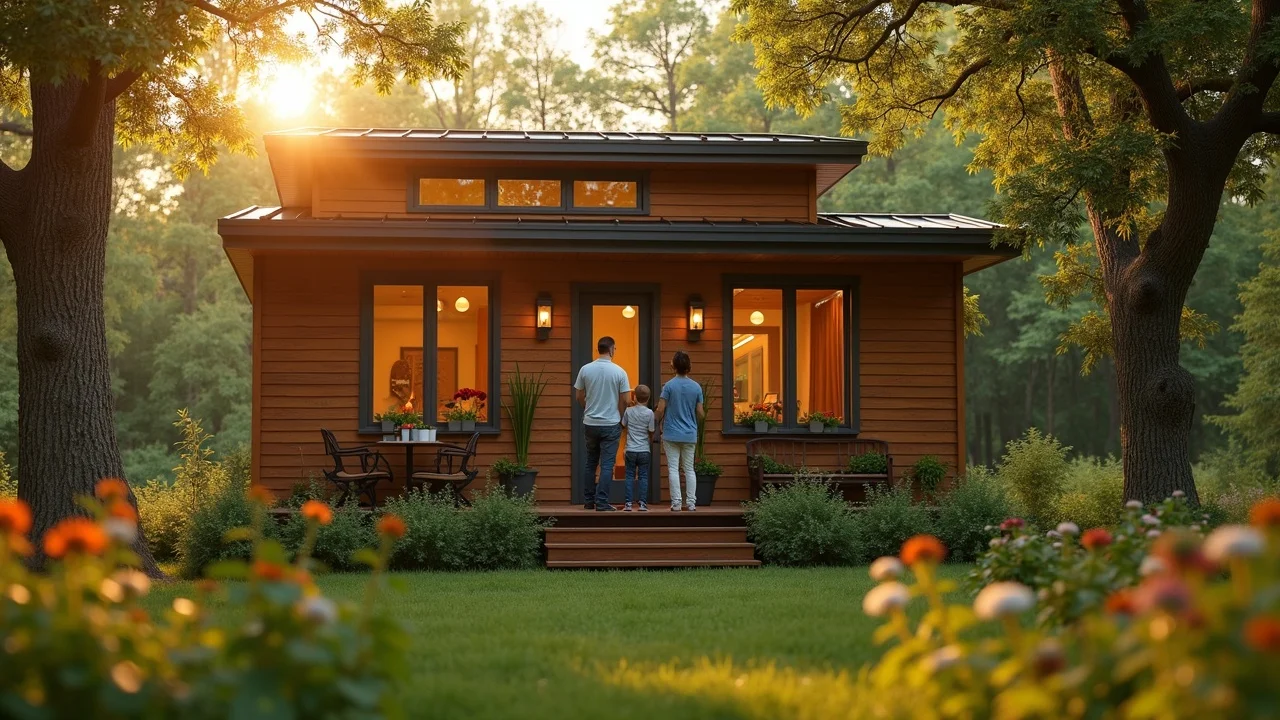
The tiny house movement is not just about reducing square footage—it’s about redefining what home means, focusing on purpose and embracing a sustainable lifestyle. Driven by rising real estate costs, a mounting desire for affordable housing, and an increasing awareness of our environmental footprint, people are rethinking the traditional American home model. This shift is not a fringe trend. According to recent surveys, a significant portion of Americans are now willing to trade in their larger homes for a more intentional, compact living space. For residents of Louisiana and the Gulf South, the movement is gaining traction due to cultural, economic, and environmental motivations. As you read, you’ll uncover powerful reasons why joining the tiny house movement could be the transformative step you’ve been seeking.
As you consider the practicalities of downsizing, it’s important to explore all aspects of home ownership and property management. For those interested in specialized equipment or support for moving and setting up a tiny home, SEPco Lifting services from ManCo Rentals can provide valuable assistance, ensuring your transition to a tiny house is both safe and efficient.
Tiny House vs. Tiny Home: Defining the Tiny House Movement
What is the Tiny House Movement?
At its core, the tiny house movement is a social and architectural revolution that celebrates intentional downsizing and mindful living. Inspired by the legacy of thinkers like Henry David Thoreau and modern pioneers such as Jay Shafer, the movement encourages individuals and families to trade excess square footage for freedom, sustainability, and financial security. It’s about creating homes that typically range from 100 to 400 square feet, in contrast to the average American home, which exceeds 2,000 square feet. The movement also emphasizes flexibility—whether through a tiny house on wheels or a stationary build—allowing people to shift locations as circumstances change. In short, the tiny house movement asks a fundamental question: what do you really need to live your best life?
The momentum behind tiny homes extends far beyond quirky TV shows and media coverage. Instead, it represents a wider critique of the larger home ideal pushed by mainstream culture. Many people choose this lifestyle to save money, reduce debt, and gain back valuable time often spent maintaining and financing a traditional home. The movement also connects with those seeking a simpler life, greater mobility, and a deeper connection to community and environment. The tiny house movement has become a genuine force in the United States, presenting a tangible alternative for those weary of the traditional American homeownership model.
Tiny Houses, Tiny Homes, and the House Movement: Clarifications
Terms like “tiny house,” “tiny home,” and “small house” are often used interchangeably, but there are subtle distinctions. A tiny house typically refers to a detached dwelling designed for full-time, year-round living, often built on a trailer (tiny house on wheels) or a permanent foundation. “Tiny homes” may include converted sheds, container homes, or even small apartments that fit within the small house movement. Each of these options is part of a broader house movement, one grounded in reimagining the nature and function of living spaces.
Clarifying these terms is important, especially in conversations about zoning, legality, and financial planning. While a tiny home might suit solo adventurers or couples, some small homes appeal to growing families seeking a minimalist approach. No matter which route is chosen, the drive is the same—aligning one’s lifestyle with personal values rather than societal expectations. This wide range of choices explains why so many Americans, from Louisiana to the Pacific Northwest, are seriously considering joining the tiny house movement.
Why the Tiny House Movement Appeals to Louisiana & Gulf South Residents
Tiny Homes and Small House Living: Local Trends
Louisiana and the Gulf South have emerged as hotspots for the tiny house movement due to a unique blend of cultural, economic, and environmental factors. Residents here are no strangers to adaptation and resourcefulness, driven by a history of hurricanes, floods, and changing economic tides. The region’s close-knit communities and appreciation for sustainable living fit seamlessly with the small footprint philosophy of tiny homes. In recent years, you’ll find more tiny house communities popping up near Baton Rouge, New Orleans, and beyond, hosting residents eager to reclaim financial control and eco-conscious freedom.
Another draw is the growing demand for resilience and affordability in a changing housing market. As insurance premiums and property costs rise in traditional housing, tiny houses offer a practical solution for many families and individuals. The tiny house movement resonates as a way to embrace both the region’s hospitality and its commitment to environmental stewardship—a lifestyle designed to thrive in Louisiana’s lush, natural beauty while minimizing your carbon footprint.
Affordable Housing Challenges in the United States and the Tiny House Solution
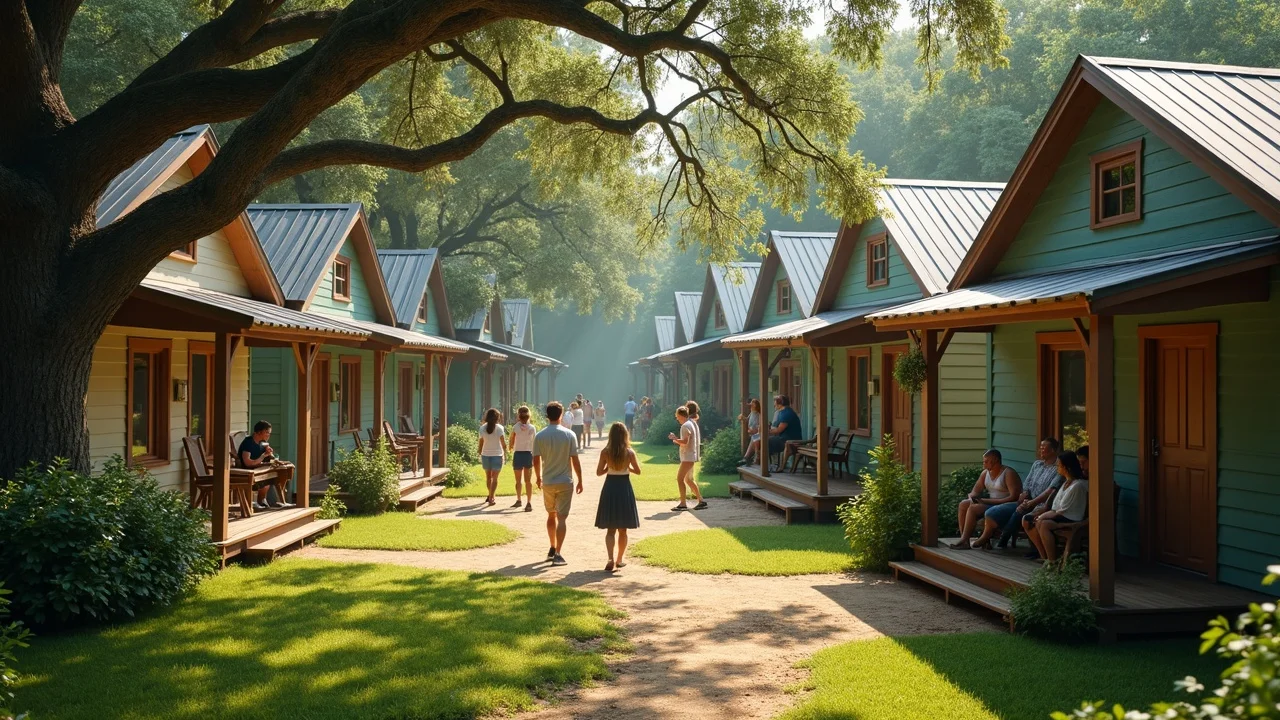
The tiny house movement has gained significant traction in response to mounting affordable housing crises throughout the United States. High real estate prices, increasing rent, and stagnant wages have placed homeownership out of reach for many Americans. In this context, tiny homes present a practical path to property ownership for those frustrated by the spiraling costs of the average American home. These small homes allow individuals, couples, and families to enter the property market with much lower down payments, property taxes, and ongoing costs. This isn’t just theoretical—success stories are cropping up across Louisiana, where more people are abandoning the “bigger is better” mentality and embracing the security and simplicity of compact living.
For many residents in the Gulf South, where storms and weather risks are real, a tiny house offers the opportunity to rebuild quickly and affordably. Instead of investing in a large, vulnerable structure, homeowners can create resilient living spaces designed with local climate in mind. The result: less stress, lower costs, and a greater sense of autonomy—key reasons why the tiny house movement continues to rise.
Sustainability: Eco-Friendly Benefits of the Tiny House Movement
One of the most compelling arguments for the tiny house movement is its focus on sustainability. Tiny homes dramatically reduce resource consumption—think water, energy, and building materials—by design. This, in turn, translates to a much smaller carbon footprint, letting people live more gently on the planet. In Louisiana, where environmental conservation is increasingly top of mind, the shift from a traditional home to a tiny house can make a tangible impact. Residents often use renewable materials, install solar panels, and incorporate high-efficiency insulation, all of which further reduce their environmental burden.
For those looking to live a simpler lifestyle, the appeal extends to downsizing possessions, adopting minimal waste practices, and even growing their own food in small gardens. Ultimately, joining the tiny house movement means prioritizing sustainability without sacrificing comfort or beauty—a benefit felt personally, locally, and globally.
Traditional Homes vs. Tiny Houses in the United States
Feature | Traditional Home | Tiny House |
|---|---|---|
Average Square Footage | 2,500 | 100–400 |
Average Upfront Cost | $300,000+ | $30,000–$80,000 |
Monthly Utility Costs | $200–$400 | $50–$100 |
Annual Property Taxes | $2,500+ | $200–$600 |
Environmental Impact | High | Low |
The Economics of the Tiny House Movement
How Much Does a Tiny House or Small House Really Cost?
One of the greatest appeals of the tiny house movement is the dramatic reduction in overall costs compared to traditional homeownership. The upfront price of a tiny home can be as low as $30,000 for a DIY build and rarely exceeds $80,000 for custom or prebuilt models—often a fraction of what you’d spend on an average American home. This affordability opens the door to homeownership for young professionals, retirees, and those unable to break into high-priced real estate markets. You’re not just saving on the sticker price: reduced square footage means lower insurance, taxes, and maintenance costs year after year.
Additionally, many tiny homeowners opt to build with eco-friendly, cost-saving materials or even repurpose old cabins, containers, or trailers. Smart design features like solar panels, rainwater collection, and composting toilets can help you save money long-term. For many families in Louisiana and across the United States, making the leap to a tiny house isn’t merely about cutting costs—it’s about investing in a new way of life that puts financial freedom within reach.
Cost Breakdown: Tiny Houses vs. Traditional Homes vs. Small Houses
Type | Upfront Cost ($) | Annual Ownership Costs ($) | Avg. Utility Bills ($/mo) |
|---|---|---|---|
Tiny House | 30,000–80,000 | 300–1,000 | 50–100 |
Traditional Home | 300,000+ | 3,600–10,000 | 200–400 |
Small House (400–1,000 sq ft) | 100,000–200,000 | 1,200–3,000 | 100–200 |

Living Tiny: The Ongoing Costs and Savings
“Tiny homes can cost less than $50,000 to build, saving many homeowners up to 90% compared to traditional American home purchases.”
The immediate savings from joining the tiny house movement extend far beyond initial construction costs. Monthly expenses—utilities, taxes, insurance—are slashed when you move from a traditional home into a tiny home or small house. These savings give most people a real chance to reduce debt, build savings, and even retire early, all while enjoying a fully functional living space. There’s also increased flexibility: with a lower financial burden, many tiny homeowners have the freedom to pursue unconventional careers, start businesses, or travel—opportunities that are often out of reach for larger home owners locked into high mortgage payments.
Over time, reduced consumption, minimal maintenance, and even the potential to relocate your tiny house on wheels contribute to an enduring sense of security and satisfaction. For families in the United States, especially in regions like Louisiana, these ongoing benefits make the tiny house movement an attractive pathway to a richer, more meaningful life, both financially and personally.
The Social and Personal Impact of the Tiny House Movement
Tiny Life: Simplifying and Reclaiming Your Space
Adopting the tiny life means more than just moving into a smaller space—it’s about reimagining priorities and embracing a simpler lifestyle. With limited room comes an opportunity to reassess every possession, habit, and daily routine. Fans of the tiny house movement often speak of the newfound freedom, mental clarity, and interpersonal closeness that come from life in a tiny home. By focusing on what truly matters, you strip away distractions and rediscover joy in daily rituals, connections, and experiences, not just things.
As the movement grows, it’s also changing the way people relate to their surroundings and communities. With less upkeep and lower bills, tiny homeowners report more time to explore, volunteer, and build supportive networks—especially in states like Louisiana, where neighborliness is part of the local DNA. Ultimately, the tiny house movement delivers both the physical and emotional “space” needed to live a simpler life with purpose and intention.

Success Stories from Tiny House, Tiny Home, and Small House Owners
Case study: A Louisiana family’s journey to tiny house living
Interview: Tiny life in the Gulf South
Louisiana Family Case Study: After years of struggling with an expensive mortgage and endless home repairs, one Baton Rouge family decided to embrace the tiny house movement. They built a cozy, 320-square-foot tiny house on wheels outfitted with sustainable materials and clever storage. With a mortgage-free lifestyle, the family found not only financial relief but a stronger sense of togetherness and the flexibility to travel when desired.
Interview Insight: In an interview with a Gulf South resident, she described how the shift to a tiny home allowed her the time and money to start a nonprofit supporting local wildlife. She credits the tiny house movement with creating space in her life—both physically and emotionally—for the pursuits that mattered most. Stories like these are echoed throughout the United States, showing how the tiny house movement helps people reclaim their dreams at any stage of life.

Legalities and Zoning: Tiny House Movement in Louisiana and the United States
Zoning Laws for Tiny Homes, Tiny Houses, and Small House Projects

Navigating the legal landscape is one of the biggest hurdles for those joining the tiny house movement. Zoning laws and building codes can vary widely between states, counties, and even cities across the United States. In Louisiana, the patchwork of regulations means potential tiny homeowners need to pay close attention to local ordinances. Some parishes, for instance, treat tiny houses as accessory dwelling units (ADUs), while others may limit their placement to RV parks or special developments.
Fortunately, advocacy groups and the growing popularity of the tiny house movement are gradually shifting policy. Whether you’re planning a fixed tiny home or a tiny house on wheels, consult local planning offices early and often. A little research can go a long way in ensuring your dream downsized dwelling is not only beautiful and efficient, but legal as well.
Where Can You Legally Live in a Tiny House in the United States?
The legal status of tiny houses in the United States is evolving rapidly. While some states and cities welcome tiny homes as part of broader affordable housing and sustainability initiatives, others still have restrictive zoning laws. States such as California, Maine, Florida, and Texas are leaders in the movement, offering incentives or streamlined codes for small dwellings. Louisiana is following suit with “tiny house-friendly” developments in select cities and parishes, empowering locals to downsize without sacrificing quality of life.
Because regulations are constantly changing, always double-check current ordinances before making major decisions. Online forums, local tiny house movement meetup groups, and advocacy organizations can offer useful, up-to-date guidance on living small—legally and confidently.
Tiny House Zoning Laws Comparison (State by State)
State | Tiny House on Foundation Allowed? | Tiny House on Wheels Allowed? | Special Permits/Communities? |
|---|---|---|---|
Louisiana | Varies by parish | Limited (RV parks) | Yes (select cities) |
California | Yes | Some counties | Yes |
Texas | Yes | Varies by city | Yes |
Florida | Yes | Limited | Yes |
Maine | Yes | Yes | Yes |
Tiny Houses and Community: Building Belonging in Small Spaces
Tiny House Communities in Louisiana and the American South
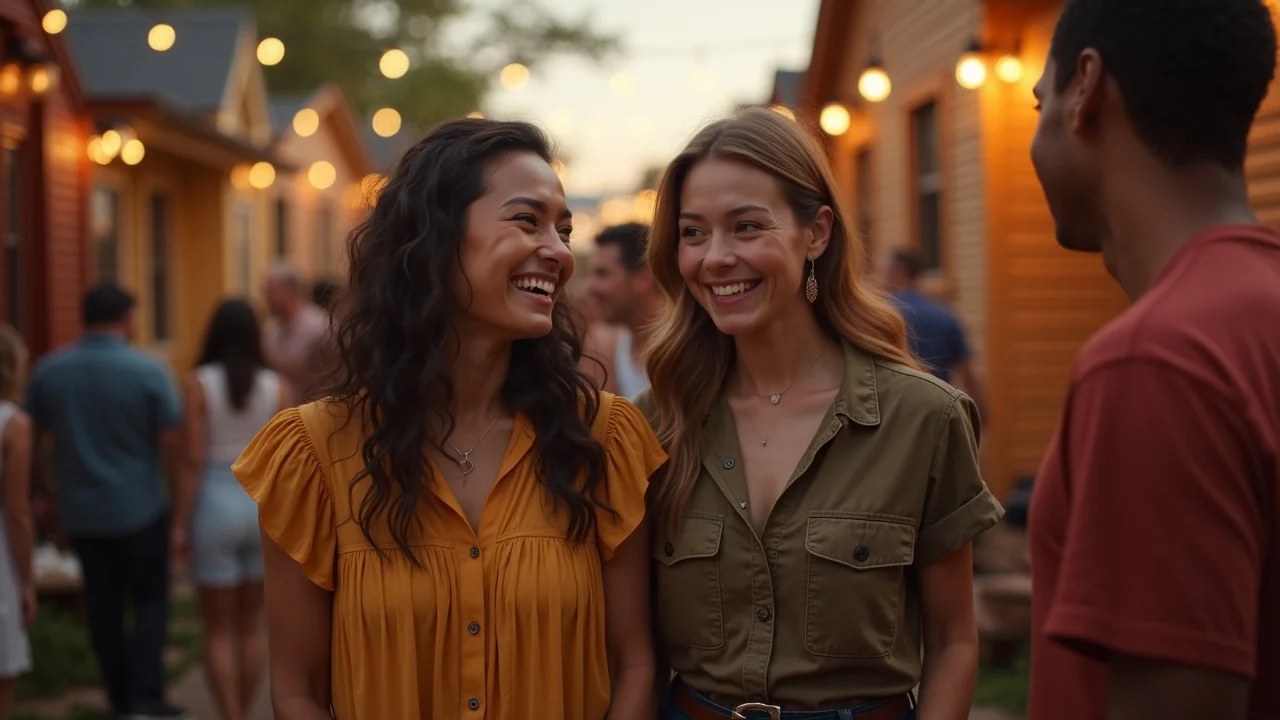
The tiny house movement has done more than change individual lives—it has transformed how people think about community. In Louisiana, the emergence of dedicated tiny house communities is fostering new forms of support, connection, and friendship. These micro-neighborhoods often feature clustered homes, shared green spaces, and community gardens, all designed to encourage social interaction and mutual assistance.
These close-knit settings have proven popular among retirees, young families, and singles alike, creating an environment where everyone knows their neighbors. Residents share tools, carpool, and host regular block parties—precisely the kind of collaboration that makes the tiny house movement so rewarding. For anyone seeking both privacy and a deep sense of belonging, a tiny home community could offer the perfect balance.
Finding Support and Inspiration for Your Tiny House Journey
Stepping into the tiny house movement is far less daunting when you’re plugged into supportive networks. Louisiana and the Gulf South have active circles—online and in person—filled with tiny home enthusiasts eager to share advice, design tips, and inspiration. Whether you’re in the early research phase or making final design decisions, you’ll benefit from easily accessible guidance, mentorship, and encouragement as you downsize. Volunteer groups also abound, building houses for those in need or championing legislative change to gain wider acceptance for tiny homes.
Local tiny house meetups
Online forums for the tiny house movement
Volunteer opportunities with tiny home nonprofits
With so much community-driven know-how at your fingertips, you’ll find your tiny home journey smoother and more enjoyable. The tiny house movement thrives on shared wisdom, innovation, and neighborly spirit—a lifeline for anyone ready to start living tiny.
Tiny House Movement: Design, Space, and Function
Maximizing Space in Tiny Houses and Small Homes

Designing for efficiency is at the heart of the tiny house movement. Every inch counts in a tiny home, and modern designs employ ingenious storage and multi-use layouts that make even the smallest footprint feel spacious. Clever staircase drawers, built-in bookshelves, convertible sofas, and fold-down tables not only save space but create a sense of possibility and comfort. In Louisiana, where creativity runs deep, local builders bring unique flair to maximizing function in every tiny house.
Small-home designers also capitalize on sliding barn doors, lofted sleeping areas, and modular furniture to create dynamic, adaptable spaces. Large windows and light color palettes open rooms visually, making a cozy home feel open and airy—all critical for enjoying your tiny life. Thoughtful planning means you get the best of both worlds: minimal clutter without sacrificing the practical comforts of daily living.
Popular Design Trends in the Tiny House Movement

Multifunctional furniture for tiny homes
Eco-friendly materials
Smart storage solutions
The latest design trends in the tiny house movement are as beautiful as they are practical. Sustainability is a front-runner: reclaimed wood, bamboo, and recycled materials dominate interior finishes. Designers are embracing open-concept layouts, integrating greenery through potted plants and living walls, and letting natural light flood interiors. Multifunctional furniture—think murphy beds and extendable tables—provides flexibility, while clever storage hacks, from under-floor compartments to modular cabinetry, keep clutter out of sight.
Interior designers are also paying close attention to color and texture. Soft, nature-inspired palettes and a mix of rustic and modern finishes give today’s tiny homes their signature warmth and personality. The result? Homes that are small but never cramped, with enough style and comfort to support every facet of tiny life. These design principles prove that joining the tiny house movement means embracing a future where less truly is more.
Immersive walkthrough of a real tiny home in Louisiana, capturing exterior and interior spaces, narrated by a resident describing daily life and unique features, with natural background sounds and authentic, lived-in details.
See How the Tiny House Movement Comes to Life
Curious about daily life in a tiny home? Watch our featured video for a firsthand look inside a Louisiana tiny house. From ingenious storage solutions to cozy communal spaces, you’ll gain insights into how downsizing can truly enhance day-to-day living. Hear directly from residents as they describe how the tiny house movement has changed their priorities, routines, and sense of home. For anyone considering taking the leap, this tour will spark ideas and answer the most frequently asked questions.
People Also Ask About the Tiny House Movement
Is the tiny house movement over?
The tiny house movement continues to grow, especially in areas seeking affordable housing solutions. Interest cycles, but the movement is alive and evolving.
What states will pay you to build a tiny house?
Some states and cities in the United States, such as Maine, Vermont, and Colorado, offer incentives for tiny homes to promote affordable housing.
What is the cost to move a tiny house?
Moving a tiny house can range from $1,000–$8,000 depending on distance, weight, and state regulations.
What is the lifespan of a tiny house?
A well-maintained tiny house can last 30–50 years or more, depending on materials, climate, and care.
Insights from Tiny House Movement Innovators
In our expert panel video, watch tiny house movement leaders and innovators discuss the challenges and rewards of living small. From advice on financing to tips on building durable, weather-resistant tiny homes, these experts share vital guidance for first-timers and veterans alike. You’ll hear stories of perseverance, community, and the unflagging motivation behind downsizing—and walk away inspired to start your own journey.
FAQs About the Tiny House Movement
How big can a tiny home be?
Most tiny homes are under 400 square feet, but legal definitions can vary by state and city.Are tiny houses legal in Louisiana?
Tiny houses are legal in certain Louisiana parishes and communities; check local zoning laws before building or buying.Is the tiny house movement good for families?
Many families thrive in tiny homes by prioritizing togetherness and creativity, but it requires flexibility and communication.Can I finance a tiny house?
Yes, financing options are available for tiny homes through RV loans, personal loans, or specialized tiny house lenders.
Key Takeaways: Why the Tiny House Movement Matters
The tiny house movement offers economic, environmental, and personal benefits
Louisiana and Gulf South residents can find unique advantages by joining this movement
Pursuing a tiny life means rethinking priorities and gaining freedom
Final Thoughts: Is the Tiny House Movement Right for You?
“Downsizing isn’t just about less space—it’s about more freedom, possibility, and purpose on your own terms in the tiny house movement.”
If you’re seeking sustainability, affordability, and a fresh start, the tiny house movement could be the transformation you need. For Louisiana and Gulf South residents, it’s an opportunity to live closer to nature and community, on your own terms.
Ready to take your exploration of alternative living even further? The journey toward a more intentional lifestyle doesn’t end with tiny homes—there are a variety of innovative solutions and support services that can help you achieve your goals. Whether you’re interested in the logistics of moving, setting up, or maintaining your new space, or you want to discover how specialized equipment can streamline your project, learning about SEPco Lifting and related services from ManCo Rentals can open up new possibilities. Dive deeper into the resources available and empower your next steps toward a more sustainable, flexible, and rewarding way of living.
Start Your Tiny House Movement Journey in Louisiana—Contact ManCo Rentals & Sales Today!
Building A Tiny Home? Contact ManCo Rentals & Sales Today! Our local experts can guide you so you can unlock the benefits of the tiny house movement for yourself or your family. Begin your journey to less clutter, more purpose, and a richer, more sustainable life.