Did you know that prefabricated homes can reduce build times by up to 50% compared to traditional construction? As demand for efficient, eco-friendly, and customizable living options booms across Louisiana and the Gulf South, prefab homes are emerging as a smart solution without compromise. This comprehensive guide will show you how prefabricated homes deliver modern style, climate resilience, and faster move-ins—so you can create a space that fits your lifestyle without waiting years for construction.
What You’ll Learn About Prefabricated Homes
The definition and types of prefabricated homes
Key benefits and unique styles available
Cost considerations for prefabricated homes
How to choose a prefab home suited for the Gulf South climate
Common myths and FAQs about prefabricated homes
The Rapid Rise of Prefabricated Homes in the United States
“Did you know prefabricated homes can reduce build times by up to 50% compared to traditional construction?”
Exploring the Popularity of Prefab Homes: Stats and Trends
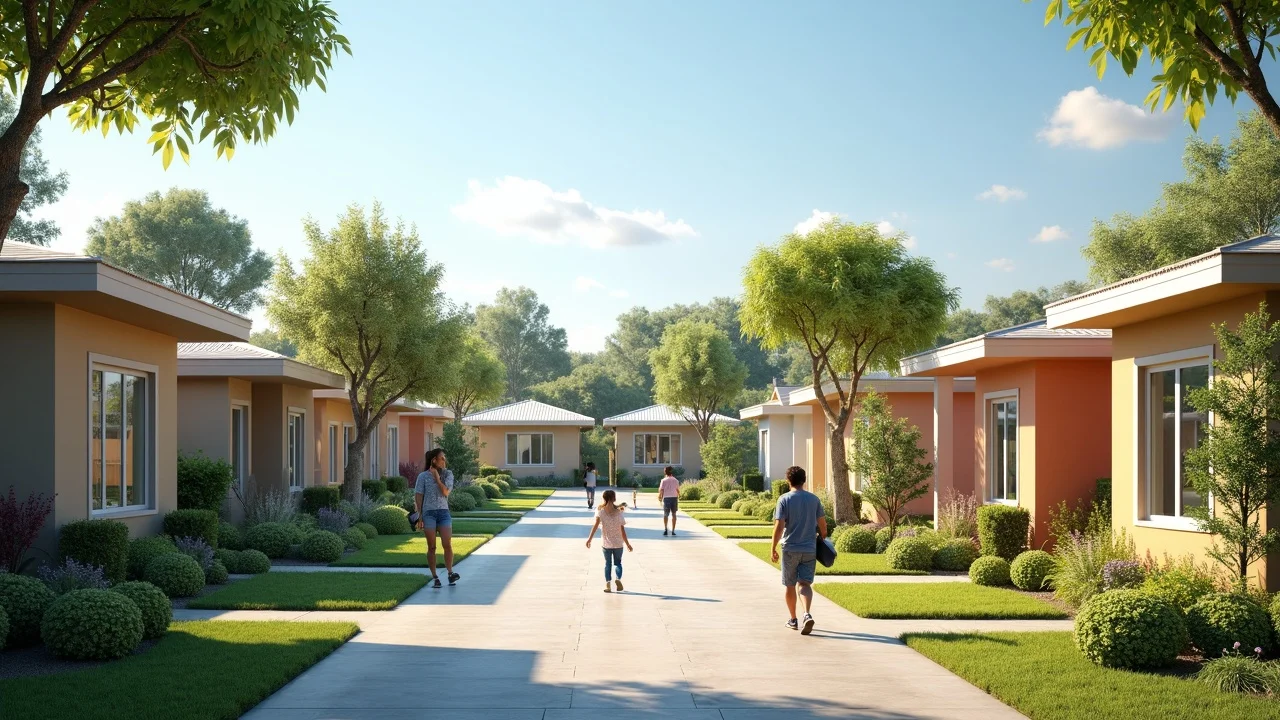
In the United States, the popularity of prefabricated homes, often called prefab homes, has soared in recent years. Spurred by advances in modular construction and a drive for more efficient housing construction, prefab homes now account for a rising share of new builds. According to recent industry reports, over 100,000 prefabricated homes are built annually in the U.S. Their popularity is especially pronounced in regions prone to extreme weather—like Louisiana and the Gulf South—where speed and durability are critical.
Traditional building methods are increasingly being challenged by advanced manufacturing and new construction methods. After World War II, prefab homes offered rapid housing solutions for returning soldiers. Today, they’re viewed as sustainable, customizable living space alternatives for families, downsizers, and those seeking a vacation home or efficient living option. The trend extends beyond residential: prefab techniques are now also used in commercial structures thanks to their design flexibility, reduced waste, and cost efficiency.
As you explore the advantages of prefabricated homes, it’s worth noting that efficient construction methods and specialized equipment play a crucial role in streamlining the building process. For example, solutions like SEPco Lifting services can help ensure safe and precise placement of modular components, further reducing build times and enhancing site safety.
Understanding Prefabricated Homes: An Overview
What Is a Prefab Home? Key Features and Differences
A prefab home—short for prefabricated home—refers to a house built using components that are manufactured off-site in a controlled factory environment. These modules or panels are then transported and assembled at the final location, saving time and reducing construction disturbances. Unlike traditional “stick-built” homes, which are constructed entirely on-site, prefabricated homes leverage precise engineering, advanced manufacturing, and efficient logistics to create a reliable and cost-effective home.
Key features include rapid assembly (often completed within weeks), a wide range of customizable floor plans, and high standards of quality inspection during manufacturing. While some people mistakenly confuse prefab homes with manufactured or mobile homes, modern designs meet or exceed local building codes and offer all the appearance and comfort of a traditional house. Whether you’re considering a modular home, a tiny prefab dwelling, or a luxury custom home, this approach ensures there’s a solution to fit your unique lifestyle and climate needs.
Types of Prefab Homes: Modular, Panelized, and More
The prefab market encompasses several distinct construction methods:
Modular homes: Factory-built in large sections (modules) that are transported to the site and assembled. They meet the same building standards as site-built homes.
Panelized homes: Built using wall panels and other flat sections, offering more design flexibility and easier transportation, especially for challenging sites.
Manufactured homes: Built entirely in a factory, transported to the site, and installed on a foundation or chassis. Often more affordable, but with different regulatory classifications.
Tiny prefabricated homes: Compact, efficient living spaces designed to maximize lifestyle flexibility and lower costs. Popular among downsizers and those embracing the minimalist lifestyle.
Prefabricated Homes in Louisiana and the Gulf South
Why Prefab Homes Are a Smart Choice for the Gulf South
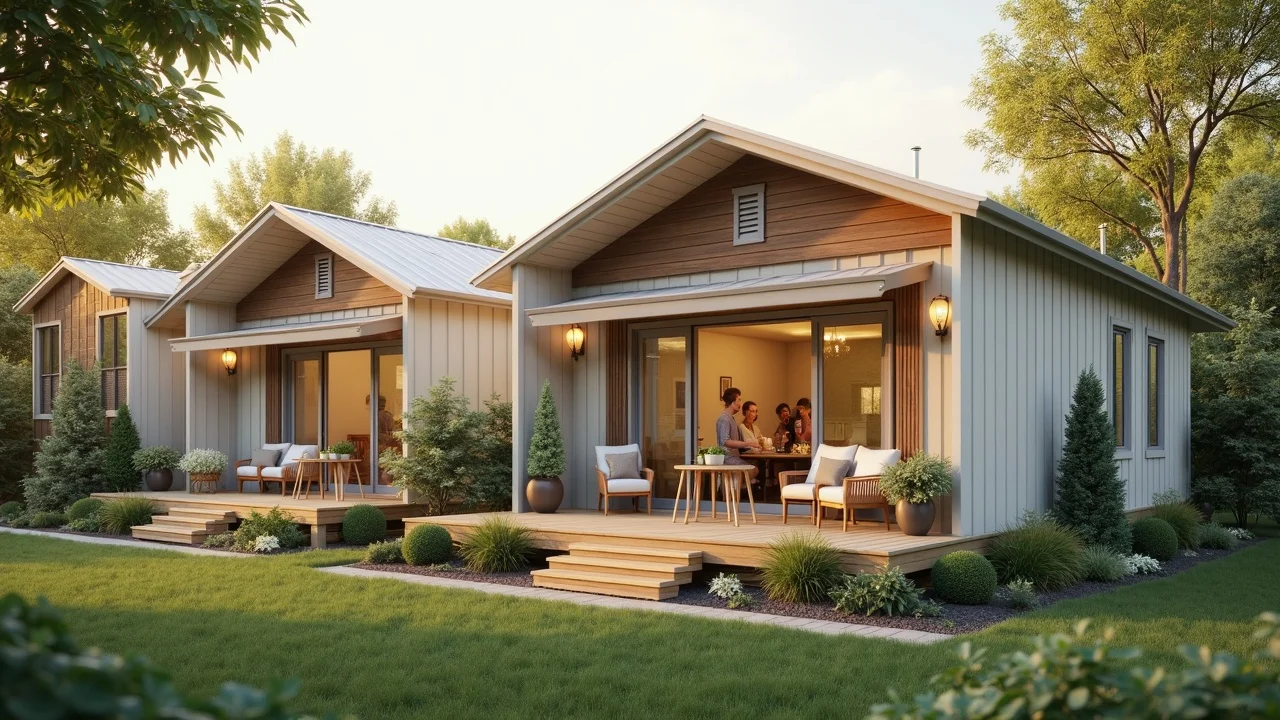
Prefabricated homes are uniquely suited for Louisiana and the Gulf South thanks to their controlled construction, shorter timelines, and adaptability to local insurance and permitting requirements. With storm seasons, heavy rains, and frequent hurricanes, Gulf South homeowners need reliable shelter that’s quick to assemble and easy to customize for weather resistance. Prefab home builders can tailor foundations, rooflines, and anchoring systems to meet local flood and wind codes, giving you a safe and efficient living space year-round.
Additionally, prefab home options in the region support a range of architectural styles—modern minimalist, traditional Southern, or eco-friendly tiny homes—so you never have to sacrifice curb appeal for practicality. With a range of home plans available, prefab homes fit your lifestyle while offering lower costs and faster move-in compared to traditional construction.
Climate Resilience: Prefabricated Homes and Hurricane Preparedness
“Prefab homes in the Gulf South are designed to withstand extreme weather conditions, providing peace of mind for homeowners.”
The Gulf South is no stranger to extreme weather—from heavy rains to hurricane-force winds. Fortunately, today’s prefab house designs are engineered for climate resilience. Manufacturers use durable, weather-resistant materials and advanced anchoring techniques to ensure your home remains secure through the harshest storms. These homes are built in factories where consistent quality control can be maintained, making defects less likely compared to conventional builds.
Local builders familiar with Louisiana regulations further customize the construction to ensure that your prefab home meets city, parish, and state safety codes. Options such as impact-resistant windows, elevated foundations, and reinforced roofs can be added to protect your investment. In many cases, this results in lower insurance premiums and gives homeowners in the Gulf South region true peace of mind year-round.
Custom Home Options: Creating Style Without Compromise
Gone are the days when prefabricated homes meant cookie-cutter designs. Today, buyers enjoy a wealth of customization—and many find they can achieve their dream custom home with speed and affordability. Decide on bold architectural features, clean lines for modern looks, or classic Southern details such as porches and tall windows. Design features like open living space layouts, advanced insulation, and smart home tech are all within reach.
Working with regional prefab builders, you can select the perfect floor plan and finishes to enhance your daily living and fit your personal style. Whether you want an eco-friendly vacation home or a spacious modular home for a growing family, the options and amenities rival traditional site-built construction—often with superior efficiency and lower prices.
Cost of Prefabricated Homes: Comparing Your Options
Home Type | Average Cost per Sq. Ft. | Build Time | Site Prep/Permitting | Customization Options |
|---|---|---|---|---|
Prefabricated Home | $100–$200 | 3–6 months | Lower/faster | High |
Traditional Site-Built Home | $150–$275 | 9–18 months | Higher/slower | High |
Is It Cheaper to Buy a Prefab Home or Build?
Analyzing the total costs for prefabricated homes versus traditional builds reveals significant savings for many families—especially when speed and efficiency matter most. The primary savings come from advanced manufacturing efficiencies, shorter construction times, and reduced waste during building. For example, overall home construction costs for a new prefab home in Louisiana may range from $100 to $200 per square foot, including manufacturing, delivery, and site preparation. In contrast, traditionally built homes often exceed $150 per square foot and may require up to 18 months before you can move in.
Site preparation and permitting are typically faster and less expensive for prefab homes, thanks to their predictable foundation requirements and standardized engineering. However, buyers should factor in delivery fees, utility hookups, and potential upgrades. In most cases, those choosing a prefab home can realize total cost savings between 10% to 25% compared to conventional new builds—while enjoying a higher quality of life and sooner access to their custom home.

What’s the Average Cost of a Prefab Home?
The average cost of a prefabricated home in the United States falls between $100,000 and $250,000, depending on size, style, and location. In Louisiana and the Gulf South, smaller tiny homes can start at $40,000, while larger, fully customized modular homes with multiple bedrooms and upgraded amenities may reach $300,000 or more. Financing can be obtained through traditional mortgages or specialized prefab construction loans; your options may vary by builder or bank, but reputable dealers in the region make the process simple.
Factors influencing your prefab home’s cost include custom design features, upgraded energy-efficient systems, the complexity of your floor plans, and delivery distance from the factory. Still, buyers appreciate transparent pricing—cost sheets outline construction, delivery, foundation work, finishing, and any necessary permits, so there are fewer unpleasant surprises compared to traditional home building.
What Are the Disadvantages of Prefabricated Homes?
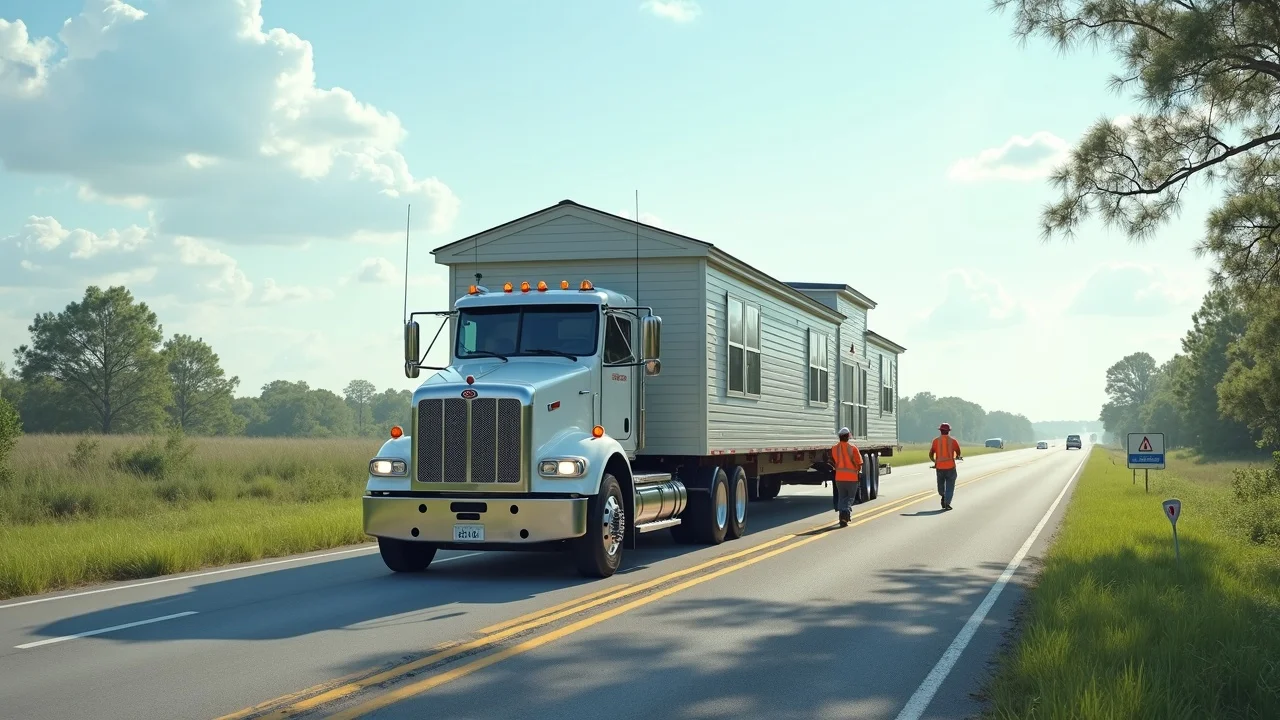
Despite all the benefits, prefabricated homes do present a few challenges. Transportation can be tricky: moving a large modular home module along highways, especially in rural Louisiana, may require special permits or escorts. Some localities have zoning or permitting restrictions, so it’s important to work with an experienced prefab home dealer familiar with regulations in your parish or community.
In terms of resale value, older or less recognized prefab models may not appreciate as quickly as traditional homes, especially if built to minimum standards. The best way to overcome these challenges is by choosing a reputable builder, ensuring your home exceeds all local codes, and customizing features for energy efficiency and hurricane safety. With careful planning and expert guidance, homeowners can overcome these drawbacks and enjoy long-term value.
Design & Style: Prefabricated Homes for Every Taste
Popular Styles of Prefab Homes in the United States
Modern minimalist designs
Traditional Southern aesthetics
Eco-friendly tiny prefab homes
Luxury modular homes

Personalizing Your Custom Home with Prefabricated Building
The ultimate appeal of modern prefabricated homes lies in the ability to personalize every detail. Start with your ideal floor plan: open-concept living space, extra bedrooms, or dedicated workspace. Choose exterior finishes—from wood siding and brick detailing to sustainable materials that match your taste and meet regional climate requirements. Interior selections abound, including energy-efficient appliances, smart home tech, and elegant fixtures.
Many prefab home builders offer design consultations, virtual tours, and even model homes you can visit before committing. For Louisiana and Gulf South families, this means your modern prefab home can blend the charm of Southern architecture with all the clean lines and efficiency of 21st-century design. Whether you’re dreaming of a vacation home surrounded by live oaks or a sustainable, compact dwelling, the possibilities are virtually limitless.
Benefits of Prefabricated Homes: Speed, Sustainability, and Savings
Faster construction times
Energy-efficient materials
Reduced waste
Controlled manufacturing for better quality

Prefabricated homes are revolutionizing housing by offering unmatched speed, sustainability, and savings. Because homes are built indoors using controlled manufacturing, delays from weather and theft are minimized. Energy-efficient materials and sustainable construction methods reduce energy bills and environmental impact, while streamlined assembly processes cut down on excess waste and labor costs.
These factors—plus better quality control during construction and fewer change orders—translate to faster move-ins, greater satisfaction, and significant overall value. For anyone seeking a modern, efficient living environment in Louisiana or the Gulf South, prefabricated homes provide a proven approach to smarter home ownership.
Step-by-Step: How to Purchase a Prefabricated Home
Select your prefabricated home design
Choose a local dealer or builder in Louisiana
Confirm financing and budget
Site preparation and permits
Delivery, assembly, and finishing touches
Selecting your design starts with browsing floor plans or home plans to find what fits your lifestyle—whether compact or spacious. Next, connect with a reputable local prefab home dealer or builder. They’ll help you finalize custom options and guide you through the financing process, so you understand your loan and payment choices. Once your plans are approved, the site is prepared and permits are secured. Finally, the modules or panels are delivered, assembled on your foundation, and finished to your specifications—often in as little as 3–6 months from start to finish!
Frequently Asked Questions About Prefabricated Homes
Can a prefab home be customized for hurricane safety?
Absolutely. Most prefab homes for the Gulf South are engineered to local wind and flood codes, with options for impact-resistant windows, reinforced roofs, and elevated foundations for added hurricane safety.How long does it take to build a prefabricated home?
The construction and assembly process averages 3–6 months, significantly faster than traditional building. This timeline includes factory production, delivery, on-site assembly, and finishing touches.Are prefab homes eligible for mortgages?
Yes! Most modular and panelized prefab homes qualify for conventional mortgages. Specialized lenders also offer prefab home loans and construction financing options.What’s the lifespan of a prefabricated home?
With quality materials and regular maintenance, prefab homes can last as long as conventional homes—many exceeding 50 years or more. Regular upkeep extends their value and comfort.
Key Takeaways on Purchasing Prefabricated Homes
Prefabricated homes offer speed and cost savings
Diverse styles range from minimalist to traditional
Ideal for Louisiana’s climate and regulations
Buying a prefab home is increasingly popular in the Gulf South
Ready to Start Building a Prefabricated Home?
Building A Tiny Home? Contact ManCo Rentals & Sales Today!
Conclusion: Prefabricated Homes—Modern Living for the Gulf South
Prefab homes offer speed, style, and sustainability for Louisiana and the Gulf South—making them a top choice for those ready to build smarter and live better.
If you’re inspired by the possibilities of prefabricated homes and want to take your project to the next level, consider exploring how advanced lifting and logistics solutions can further streamline your build. Leveraging specialized services such as SEPco Lifting not only ensures safe and efficient installation of your home modules, but also opens the door to more complex designs and challenging sites. As you plan your dream home, integrating the right equipment and expertise can make all the difference in achieving a seamless, stress-free construction experience. Discover how these innovative approaches can help you build smarter, faster, and with greater confidence in the Gulf South.