
Did you know? Over four million shipping containers are sitting unused globally—even as thousands are being upcycled into stunning, eco-friendly homes, offices, and community spaces. Shipping container architecture has quickly become one of the most talked-about trends in modern design, especially in regions like Louisiana and the Gulf South, where sustainability, affordability, and resilience are paramount. If you’re curious about this innovative form of architecture and why it’s capturing the world’s imagination, this article delivers practical insight, local relevance, and inspiration for your next home project.
Reimagining Construction: Why Shipping Container Architecture is Gaining Momentum
-
There are an estimated 17 million intermodal shipping containers worldwide, with only around 6 million in active circulation. That means about 11 million containers are potential candidates for upcycling into homes or businesses!
Shipping container architecture is surging in popularity, particularly among those seeking affordable, resilient, and eco-friendly housing in the Gulf South. This trend is making huge waves because of its creative reuse of materials and its ability to meet modern needs with speed and design flexibility. Gone are the days when containers were only seen stacked at shipyards; today, they stand as striking homes, vibrant offices, and welcoming community centers.
Around the world, from the bustling streets of Los Angeles to local projects in Louisiana, container buildings challenge our ideas of what a home or business can be. These upcycled steel containers have been transformed into modular apartments, pop-up cafes, even luxury hotels. In the Gulf South, pioneering architects and developers are showcasing what’s possible—combining sustainability with hurricane resilience and contemporary style.
For those interested in the practical side of working with containers, understanding the logistics of lifting and moving these heavy steel structures is essential. You can explore specialized solutions and equipment for safe container handling by visiting the SEPco Lifting resource, which details the tools and expertise required for efficient container placement and construction.
Shipping Containers: From Cargo to Creative Living
-
From San Francisco’s Boxhouse to London’s Container City, the journey of shipping container architecture is global. In New Orleans and Baton Rouge, container-based projects are turning heads—offering hope in the form of quick, affordable housing after major storms and for those wanting to downsize in style.
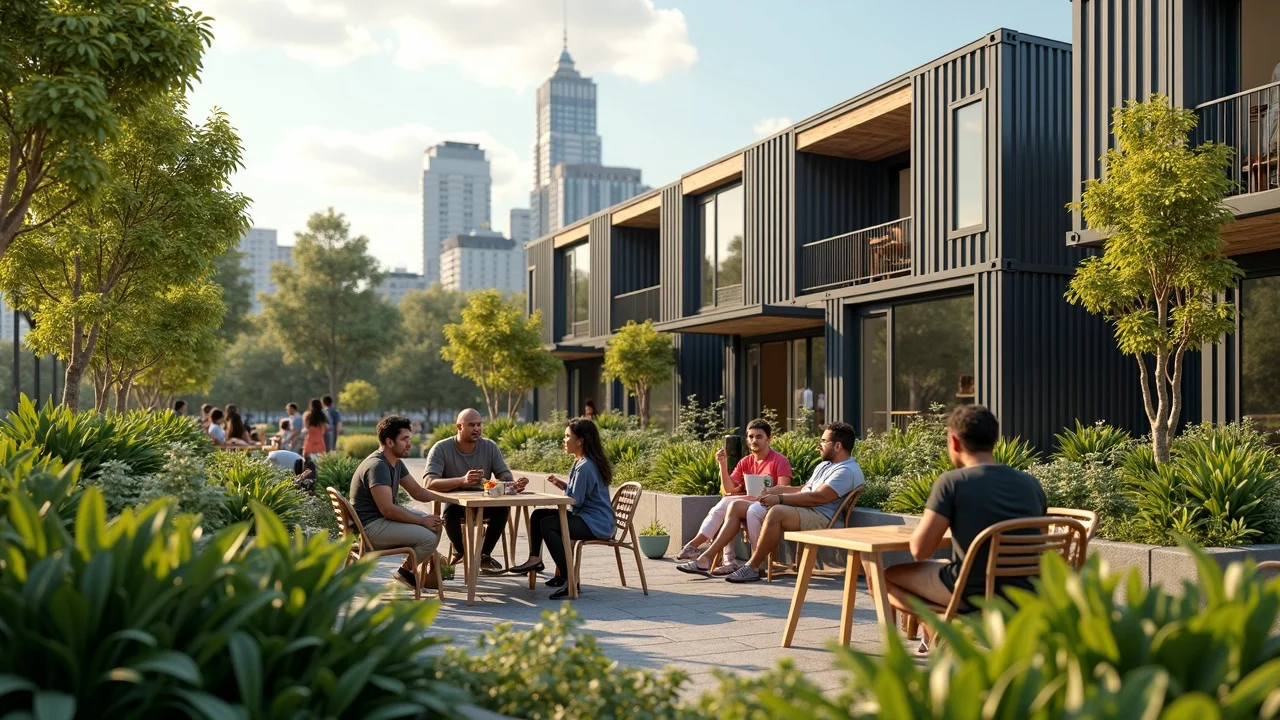
The evolution of shipping containers from pure cargo carriers to the backbone of creative, sustainable living is nothing short of revolutionary. Cities like Los Angeles have embraced this container architecture for their versatility, while places closer to home in Louisiana are using these steel structures to create resilient, community-oriented spaces. Some of the most inspiring examples can be seen in container affordable housing projects designed for the Gulf South’s severe weather and budget-sensitive markets. Their appeal lies not just in durability, but also in how they create a sense of community, innovation, and hope.
-
In the Gulf South, notable projects include the New Orleans “Lot Next Door,” which repurposed containers for quick affordable housing. Baton Rouge’s container communities also highlight the adaptability and style made possible by steel shipping containers.
What You’ll Learn About Shipping Container Architecture
-
An overview of shipping container homes
-
The pros and cons of container buildings
-
Insights into the costs and processes of building with shipping containers
-
Expert opinions on container architecture’s future

This article gives you a complete look at how shipping container homes work—from their benefits and design flexibility, to their limitations, pricing, and real-life examples. Whether you are a Louisiana local considering a container home or just curious how to turn industrial steel into a cozy abode, you’ll get practical tips, expert insights, and local context tailored for Gulf South living.
-
You’ll learn about the unique journey of shipping container architecture, its practical considerations, and what it really costs to build a container house. We’ll also answer common questions to set your expectations straight.
Understanding Shipping Container Architecture: What Makes It Unique?
Defining Shipping Container Architecture and Its Origins
-
Born out of necessity and creative thinking, container buildings started as a way to reuse surplus shipping containers. The modularity, strength, and fire resistance of these steel boxes made them natural candidates for repurposed construction. Advances in insulation, welding, and design gave way to a unique form of architecture that is now seen from the United States to Europe, Asia, and Africa.
Shipping container architecture began to emerge in the late 20th century when architects saw the potential in upcycled shipping containers as strong, stackable building blocks. Originally used purely for cargo, containers became affordable, modular building material ideal for a wide variety of structures—from minimalist homes to expansive community centers. The key traits include high structural strength, inherent fire resistance, and modularity for stacking and customizing layouts.
In the Gulf South, the turn to container construction has been driven by hurricanes, flooding, and the need for rapid, cost-effective rebuilding. The steel structure of a container house, when properly insulated and ventilated, can outperform traditional timber in terms of speed, budget, and resilience. With creative design, container homes shake up the look of southern living and provide hope to many seeking affordable options.
Why Shipping Containers Capture the Imagination
-
Container homes have become icons of eco-conscious living, thanks to their upcycled roots and modern, minimalistic visual appeal. Their simplicity also makes them a form of architecture that prioritizes sustainability, adaptability, and creative thinking—qualities echoed in trending urban developments from Los Angeles to New Orleans.
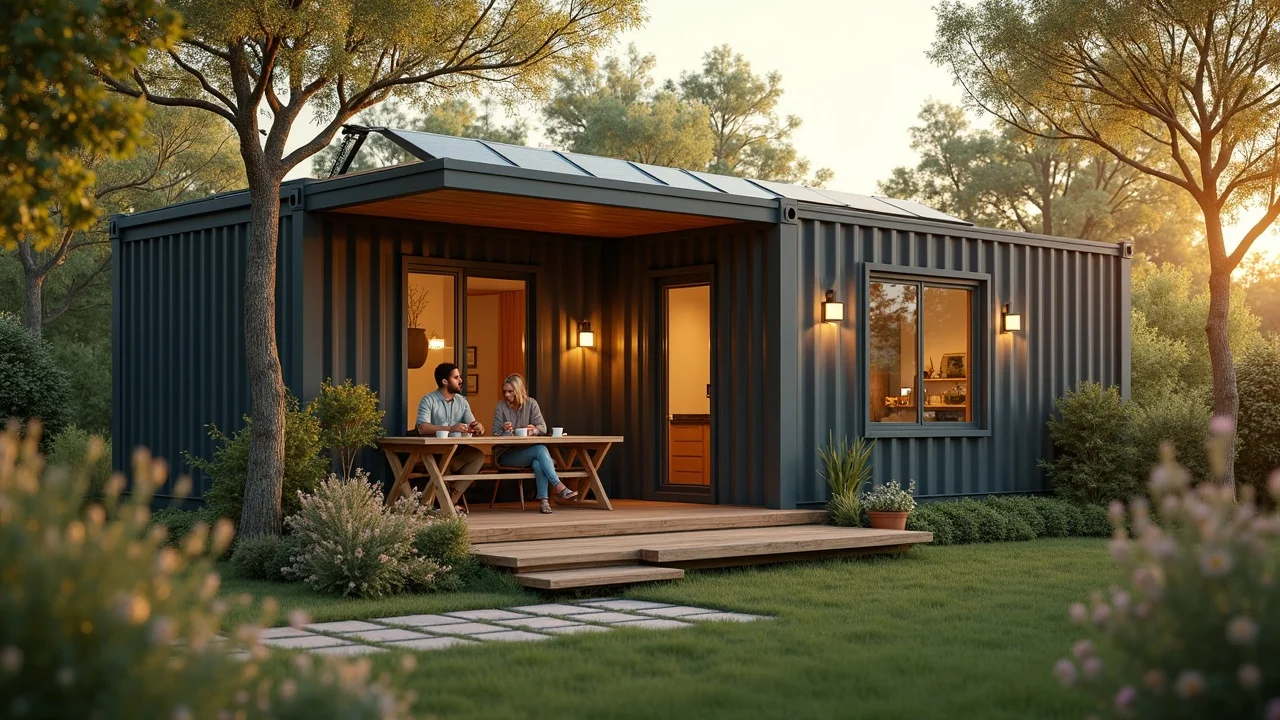
The architectural world and eco-enthusiasts alike gravitate to shipping container architecture because it feels both radical and practical. The promise of giving new life to industrial materials—turning waste into art and utility—lies at the heart of its appeal. For many in the Gulf South, the combination of sustainability with hurricane-readiness makes the approach even more compelling. These homes are not just shelters; they are statements about innovation, resourcefulness, and the future of urban design.
Others appreciate the flexibility: shipping containers can be stacked, staggered, or arranged side by side to create unique, efficient living spaces. Their modular nature means they’re equally at home as a backyard ADU or a three-story modern mansion. Add in their upcycled charm, and it’s easy to see why container housing is taking off.
The Pros and Cons of Shipping Container Buildings
Advantages of Shipping Container Architecture
-
Speed of construction, cost savings, modularity, adaptability
The big selling point of shipping container buildings is how quickly they can go from warehouse yard to finished home. Speed is crucial in storm-prone regions like Louisiana, where rebuilding after hurricanes is a recurring challenge. Containers can be prefabricated off-site and assembled rapidly, cutting months off construction timelines. Cost is another factor—container construction can save 20–30% compared to traditional home building, especially when local labor and site conditions are favorable.
Modularity and adaptability put shipping container architecture in a league of its own. Want a cozy one-bedroom retreat? Easy. Need a multi-unit apartment block? Just stack and connect. Their steel structure is extremely strong, providing inherent hurricane resistance. Plus, the ability to upcycle shipping containers means less waste and a smaller environmental footprint—key for eco-minded Gulf South residents.
Drawbacks to Shipping Container Homes

-
Potential insulation issues, legal zoning challenges, and long-term durability questions
Despite their many perks, container projects aren’t perfect. Insulation is a major concern with steel shipping containers, as metal conducts heat and cold rapidly. Without professional-grade insulation, these homes can be uncomfortable in Louisiana’s sweltering summers or unpredictable winters. Zoning and permitting are also hurdles: not all areas are open to container houses, and local regulations can slow down or even block your container dream.
Durability is sometimes questioned, too. While these containers are built to withstand tough shipping conditions, corrosion and water infiltration can threaten their lifespan if not addressed. Investing in waterproof coatings, quality windows, and regular maintenance is crucial for anyone considering shipping container housing as a long-term solution in the Gulf South.
Shipping Container Home Costs: What to Expect
How Much Would It Cost to Build a 2000 sq ft Container Home?
-
Breakdown of costs: materials, land, labor, permits
Building a 2,000 sq ft container home in Louisiana can cost anywhere from $150,000 to $300,000 or more, depending on land costs, insulation quality, interior finishes, and the complexity of the design. Materials for a project of this size might run $60,000–$100,000, with labor and site work making up a significant portion of the remaining budget.
Land in the Gulf South can vary widely, but you’ll also need to account for foundation work (especially for flood-prone areas), utility hookups, insulation, and required permits. While still generally cheaper than stick-built alternatives, you must ensure your chosen site allows container construction and that your contractor understands both shipping container architecture and local building codes.
Cost Comparison: 2,000 sq ft Traditional Home vs. Shipping Container Home (Louisiana)
|
Category |
Traditional Home |
Shipping Container Home |
|---|---|---|
|
Materials |
$90,000–$130,000 |
$60,000–$100,000 |
|
Labor |
$70,000–$90,000 |
$40,000–$70,000 |
|
Permitting/Fees |
$10,000–$15,000 |
$12,000–$18,000 |
|
Land (if needed) |
$25,000–$80,000 |
$25,000–$80,000 |
|
Total |
$195,000–$315,000 |
$150,000–$270,000 |
Living Small in Louisiana: Is Container Housing Made for the Gulf South?
Container Homes and Local Zoning in Louisiana
-
Navigating the regulations for shipping container housing can be complex in Louisiana. Some parishes allow container homes in rural areas but not in residential subdivisions. Check with local authorities to avoid costly surprises and delays.
Zoning is the single biggest hurdle to building container homes in the Gulf South. While urban cores like New Orleans are warming to these innovative structures, smaller communities may still view them with skepticism. Zoning laws and building codes may require tweaks to your design or additional engineering documentation. Consulting a local expert—ideally one with container experience—is a must.
Getting the proper permits can add weeks or months to your project timeline but skipping them is not an option. Expect to provide engineering specs, foundation plans, and a clear layout for your shipping container construction. Some regulations also insist on stricter insulation and energy efficiency—even if you’re reusing containers as-is. This process often smooths out after the first few container projects in an area.
Weathering the Storm: Are Shipping Container Buildings Tornado-Proof?
-
Shipping containers are robust, but even a 40-foot container can be moved by a high-category tornado if not anchored. Reinforcements, such as hurricane tie-downs and heavy-duty foundations, are recommended for safety in severe weather.
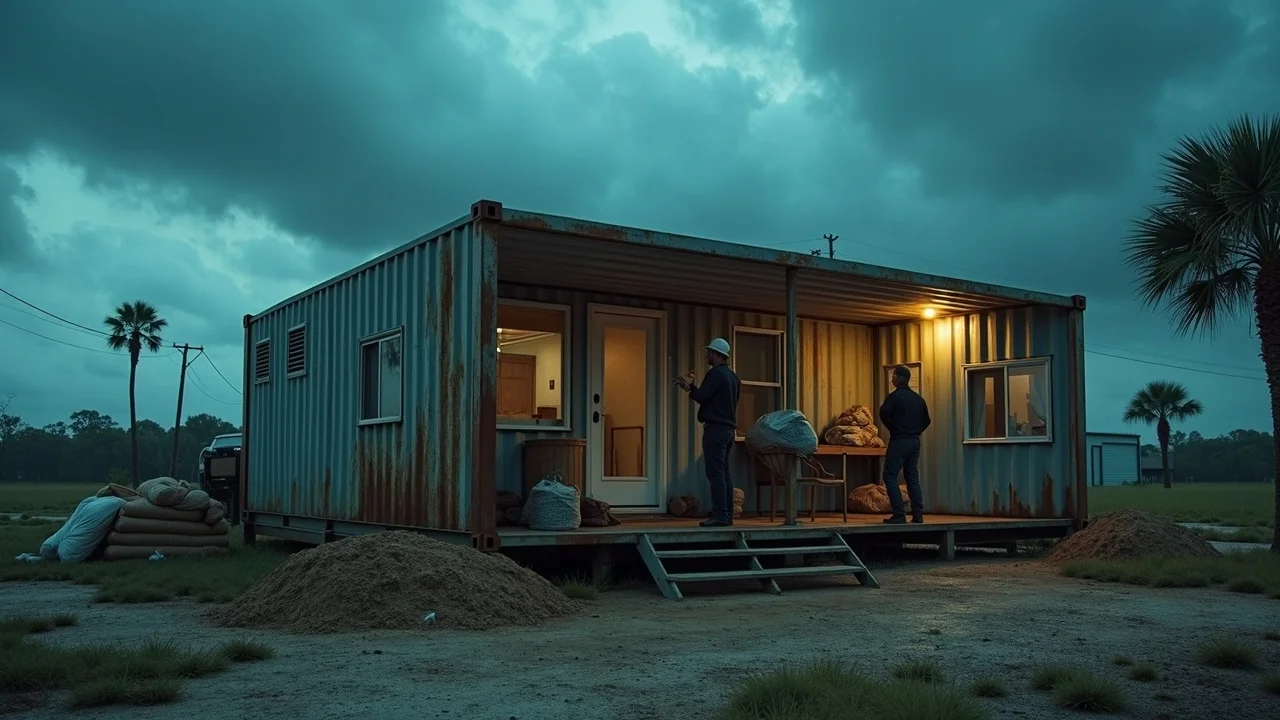
The short answer: shipping container buildings are extremely sturdy and can withstand severe wind loads—provided they’re anchored properly. Standard 40 ft containers weigh over 8,000 pounds empty. Yet, a direct hit from a tornado can displace even heavy objects that aren’t secured. For Louisiana and Gulf South homeowners, it’s essential to invest in proper tie-downs, deep-set concrete footings, and reinforced construction systems. Hurricane shutters, storm straps, and impact glass are not optional—they’re crucial for peace of mind.
While no building is truly “tornado-proof,” properly engineered container housing outperforms many traditional homes in storm-prone zones. Some Gulf South insurance experts now recognize container homes for their wind resistance and quick repairability after minor damage. Still, site placement and flood risk remain key considerations.
Shipping Container Architecture in Action: Noteworthy Projects
Famous Container Buildings Around the World and in the Gulf South
-
From the Nomad Hotel in Los Angeles to Boxpark in London and quirky hostels in South Africa, container buildings grab headlines. Louisiana and Gulf South aren’t far behind, with projects like the Acorn Container Hotel and affordable housing initiatives springing up in Baton Rouge and New Orleans.
World Cup stadiums in Qatar have even leveraged container architecture for fast, sustainable construction. In Los Angeles—a true hot spot for this design movement—creative offices, pop-up restaurants, and container homes regularly push the boundaries of innovation and style. Locally, Gulf South projects combine the lessons learned globally: adaptability, rapid construction, and a focus on storm resilience.
-
Projects like the Mile End container housing in Montreal, Boxpark in London, and New Wine Studios in New Orleans showcase a wide variety of uses—from luxury suites to live/work artist colonies—all based on shipping containers.
Designing Your Own Container House: Practical Insights
Key Tips for Planning a Shipping Container Home
-
Location matters: Choose a well-drained, code-compliant site with good sun exposure.
-
Permitting and zoning: Always confirm what’s allowed before you start building.
-
Foundations: Site-built or slab-on-grade is common—ensure it’s storm-anchored.
-
Insulation: Closed-cell spray foam or rigid foam panels are best for steel structures in humid climates.
-
Layout: Use containers to create open-plan living or cozy studio spaces—think about storage and flow.
Start by confirming that you can legally build a container home on your chosen site. Once approval is in place, focus on laying a solid foundation. Steel containers may require special piers or slabs to avoid corrosion and to ensure stability in windy regions. Proper insulation is also key in the Gulf South—closed-cell spray foam is a popular choice for its moisture control and high R-value.
Your layout should maximize space but also respect the constraints of 8-foot-wide containers. Open-plan designs make small spaces feel bigger; glass walls and clerestory windows bring in light and lower cooling costs. Collaborate with local architects familiar with shipping container housing, since their expertise can help you avoid costly mistakes.
Working With Shipping Containers to Create a Personalized Space
-
Flexibility is the biggest asset: Stack, stagger, or combine containers to create your ideal floor plan. Mix 20-ft and 40-ft units for larger spaces or use cut-out walls for interconnected rooms and patios.

The beauty of using shipping containers to create a home lies in their versatility. Don’t be afraid to think vertically or to blend container sizes for split-level living, rooftop decks, or extensions. Local Gulf South architects are now experimenting with vibrant exteriors, eco-friendly claddings, and creative landscaping to make container homes feel truly integrated into southern neighborhoods.
Customization runs the gamut: Solar panels, rainwater collection, green roofs, and sustainable materials can take your container house from basic to breathtaking. Planning for efficient airflow and good insulation will help you beat the Louisiana heat and enjoy lasting comfort in your personalized space.
Expert Perspectives on Container Architecture’s Future
“Shipping container architecture represents the cutting edge of affordable, sustainable living—but success depends on understanding both its strengths and limitations. As green building techniques and urban density drive the market, expect container projects to become fixtures in Louisiana and beyond.” – Jamie Carlson, Louisiana sustainable design consultant
-
Emerging trends include net zero energy designs, smart home automation, and modular co-living structures. As cities like San Francisco and Los Angeles show, what starts as a niche can quickly go mainstream. For the Gulf South, container housing is poised to reshape how we think about resilient building, affordability, and modern lifestyle.
Looking ahead, container architecture is likely to expand in both scale and scope. Expect more community-centric developments, innovative approaches to energy efficiency, and creative blending of old industrial charm with new Southern hospitality.
Key Takeaways: Should You Embrace Shipping Container Architecture?
-
Pros: Fast, affordable, modular, strong in storms, and eco-friendly—shipping container buildings shine in the Gulf South.
-
Cons: Insulation, zoning, and possible corrosion issues require careful planning and smart investment.
-
Bottom line: Container homes are a bold step forward for those willing to chart a new course in housing. With proper research and expert guidance, they offer real hope for affordable, resilient, and sustainable living in Louisiana and beyond.
People Also Ask About Shipping Container Architecture
Why do shipping container homes only last 25 years?
-
Shipping container homes have a typical life expectancy of around 25 years due to the natural wear and tear on steel structures, exposure to humidity, and the risks of corrosion—especially if maintenance is neglected. Modern coatings and regular upkeep can extend their useful life significantly.
The main reason shipping container homes sometimes have a lifespan of 25 years is due to corrosion and metal fatigue, especially when uncoated or left in humid environments. However, sealing joints, applying rust-resistant paint, and properly insulating interiors can boost longevity—some container homes are expected to last 40+ years with regular maintenance.
What are the drawbacks to shipping container homes?
-
Key challenges include thermal bridging (where metal conducts heat/cold into the home), condensation issues without ventilation, complex permitting in some cities, and the risk of corrosion. Zoning laws often require additional work, and retrofitting plumbing and wiring can be tricky compared to traditional builds.
Issues like thermal bridging, condensation, and local code compliance can slow projects. Make sure to plan for quality insulation and choose containers free from hazardous cargo residue. Be proactive about waterproofing and ensure your builder understands both container home best practices and relevant Gulf South regulations.
How much would it cost to build a 2000 sq ft container home?
-
In Louisiana, a 2,000 sq ft container house typically ranges from $150,000 to $270,000, including land, permits, labor, high-quality insulation, and modern finishes. Complex designs or luxury interiors can push costs higher, but container homes still offer solid savings over many traditional builds.
The exact price depends on customization, site prep, and zoning fees. Many find that shipping container architecture offers flexibility in finishes and speed of construction that save time and money compared to conventional homes in the Gulf South.
Can a tornado pick up a 40 ft shipping container?
-
A properly anchored 40 ft shipping container (over 8,000 pounds when empty) is unlikely to be moved by most storms, but an EF3 or stronger tornado can still dislodge it. In tornado-prone zones, bolting containers to deep-set concrete pads and adding hurricane straps is recommended for optimal safety.
Engineering studies show that while containers are built to withstand extraordinary loads, their safety depends on correct installation. For Gulf South living, storm prep and sturdy connections make all the difference.
FAQs About Shipping Container Housing
-
How do you maintain a shipping container home? Regularly inspect for rust, seal gaps, and repaint or apply new protective coatings as needed, especially in humid climates.
-
What are the best insulation options? Closed-cell spray foam and rigid foam boards offer excellent moisture resistance and thermal performance for steel structures.
-
Is financing available for container homes? Some lenders now provide construction loans for container housing; check with banks specializing in alternative housing or green mortgages.
-
Can you add on to a container home? Yes. Containers are modular; you can stack or connect new modules as your needs grow.
-
Are there builders specializing in container homes? In Louisiana and the Gulf South, an increasing number of companies offer container construction expertise—always ask for local references.
Lists: Inspiring Shipping Container Buildings & Design Ideas
-
Top 5 Gulf South Container Projects:
-
New Orleans Lot Next Door Project
-
Acorn Container Hotel, Baton Rouge
-
Eco-Box Student Housing, Lafayette
-
MidCity Container Studios, New Orleans
-
Tiny House Gulfport, Mississippi
-
-
3 Trending Container Home Interior Design Tips:
-
Use clerestory windows for natural light and heat reduction.
-
Incorporate recycled wood and minimalist finishes for warmth.
-
Plan built-in storage to maximize your limited square footage.
-
-
Essential Steps to Plan Your Own Container Home:
-
Confirm zoning and permitting for your intended site.
-
Decide on a suitable foundation and insulation method.
-
Design a modular layout for future expansion.
-
Choose sustainable, locally sourced finishes where possible.
-
Work with experts familiar with Gulf South storms and codes.
-
Conclusion: Reflecting on Shipping Container Architecture and Your Next Steps
-
With eco-friendly roots, affordable construction, and hurricane-ready strength, shipping container architecture is changing how we live in the Gulf South—one container at a time.
“The future of small-space, sustainable living is here—and it’s welded together from steel, creativity, and hope.”
If you’re inspired by the possibilities of shipping container architecture and want to take your project to the next level, consider exploring the broader world of innovative construction solutions. The SEPco Lifting division at ManCo Rentals offers advanced lifting and handling services that can streamline your build, whether you’re working with containers or other modular systems. By leveraging professional expertise and the right equipment, you can ensure your container home is not only unique but also built to the highest standards of safety and efficiency. Dive deeper into the resources available and discover how expert support can transform your vision into a resilient, modern living space.
Ready to Bring Container Innovation to Your Life?
-
Building A Tiny Home? ContactManCo Rentals & SalesToday!