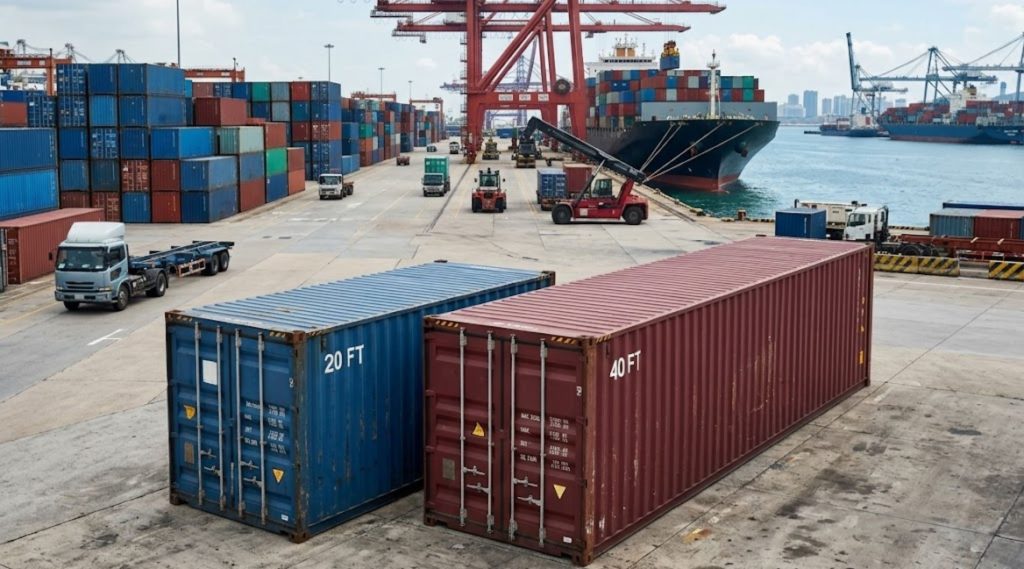
Selecting the appropriate shipping container size is essential for businesses that require efficient storage and transportation. Between the 20ft and 40ft options, a clear understanding of dimensions, specifications and use cases materially affects operational efficiency. This guide provides detailed information on measurements, applications and customization choices to support informed decision-making, including considerations for shipping container rental. Incorrect selection can result in wasted space or insufficient capacity. After reading, you will understand the differences between 20ft and 40ft containers, their optimal use cases, and how to configure them to meet specific requirements.
What Are the Standard Dimensions and Specifications of 20ft and 40ft Shipping Containers?
The 20ft and 40ft models are the most common container sizes in commercial use. Knowing their dimensions and specifications is fundamental to determining the best fit for your operations. Standard sizing is intended to maximize storage efficiency while maintaining compliance with transportation regulations.
What Are the Exact Measurements and Weight Capacities of 20ft Containers?
A 20ft shipping container typically measures 20 ft long, 8 ft wide and 8.5 ft high externally. Internal dimensions are approximately 19.4 ft long, 7.8 ft wide and 7.9 ft high. The payload capacity is approximately 22,000 lb (about 10,000 kg), making this size suitable for a wide range of storage and transport requirements.
How Do 40ft Container Dimensions Compare and What Are Their Load Limits?
A 40ft shipping container measures 40 ft long, 8 ft wide and 8.5 ft high externally. Internal dimensions are roughly 39.5 ft long, 7.8 ft wide and 7.9 ft high. The payload capacity is about 44,000 lb (approximately 20,000 kg), which accommodates larger loads and supports businesses with greater storage demands.
Which Business Use Cases Are Best Suited for 20ft Shipping Containers?
20ft containers are versatile and well suited to a variety of commercial applications. Their compact footprint makes them appropriate for smaller projects or sites with limited space. Reviewing specific use cases will clarify whether a 20ft unit meets your operational requirements.
How Do 20ft Containers Serve Construction Site Storage Needs?
On construction sites, 20ft containers are commonly used to store tools, equipment and materials. Their dimensions allow organised, secure storage with straightforward access. Reliable access to essential items supports continuous workflow and reduces downtime.
What Industrial and Contractor Applications Benefit from 20ft Containers?
In industrial environments, 20ft containers function as temporary storage for raw materials or finished goods. Contractors also deploy them as portable offices or break rooms to improve on‑site productivity and provide necessary staff facilities.
When Should You Choose a 40ft Shipping Container for Your Project?
A 40ft shipping container is appropriate for projects that demand increased capacity. Selecting this size can improve operational efficiency and lower costs compared with deploying multiple smaller units.
What Large-Scale Storage and Portable Office Solutions Require 40ft Containers?
40ft containers accommodate large‑scale storage needs, including heavy machinery and bulk materials. They are also convertible into portable offices that can support multiple staff and provide a functional on‑site workspace.
How Do 40ft Containers Enhance Efficiency for Industrial Operators?
For industrial operators, 40ft units consolidate inventory into a single footprint, reducing handling time and the risk of misplaced items. This consolidation contributes to measurable operational cost savings.
What Customization Options Are Available for 20ft and 40ft Containers?
Both 20ft and 40ft containers can be customised to enhance functionality and better align with business requirements. Evaluating available modifications enables you to tailor a container to your operational needs.
How Can Insulation, Electrical Wiring, and Shelving Improve Container Functionality?
Insulation regulates temperature to protect sensitive materials. Electrical wiring enables lighting and power for equipment. Shelving increases storage density by utilising vertical space, improving overall organisation and access.
What Are the Benefits of Customized Portable Office Container Solutions?
Customized portable office containers enable flexible workspace design, allowing businesses to create functional interiors tailored to operational requirements. These solutions can reduce overhead associated with traditional leased office space and provide a mobile option that moves as projects evolve.
Beyond portable offices, 40ft containers are adaptable for applications including the construction of modular homes.
Customized 40ft Shipping Containers for Modular Homes
The study evaluates a case study on the process of manufacturing modular homes from prefabricated HQ 40‑footshipping containers. Design of Customized Sea Container House in the Context of Industry 4.0-A Case Study, J Patalas-Maliszewska, 2022
Should You Rent or Purchase Shipping Containers in Louisiana? Key Considerations
Deciding whether to rent or purchase shipping containers requires weighing the advantages and disadvantages of each option. This choice has direct implications for operational cost profiles and organisational flexibility.
What Are the Advantages of Flexible Rental Terms for Business Operations?
Renting provides flexible contract terms that adapt to project timelines, enabling tighter cost control for short‑term engagements or variable storage demands.
When Is Purchasing Containers More Beneficial Than Renting?
Purchasing is typically advantageous for long-term storage needs or when specific customizations are required. Ownership gives full control over modifications and removes recurring rental expenses—contact ManCo Rentals & Sales, LLC to get started.
Frequently Asked Questions
What factors should I consider when selecting a shipping container size?
Consider the total volume of items, the available site footprint and your budget. Also assess item‑specific requirements such as temperature control. These factors will indicate whether a 20ft or 40ft container best maximizes efficiency and minimizes cost.
Are there any specific regulations regarding shipping container usage?
Yes. Regulations vary by jurisdiction and may include zoning rules, building codes and safety standards that govern container use on commercial property. Consult local authorities to confirm compliance and avoid penalties.
What maintenance is required for shipping containers?
Containers require routine inspections to ensure longevity. Check for corrosion, leaks and structural issues, and clean interiors and exteriors periodically to prevent deterioration and maintain a professional appearance. For office conversions, verify that electrical systems and insulation remain operational to ensure occupant safety.
Can I use shipping containers for temporary housing or living spaces?
Yes. Shipping containers can be converted into temporary housing, provided they are fitted with appropriate insulation, ventilation and comply with local building regulations. Engage qualified professionals for modifications to ensure safety and habitability.
What are the environmental benefits of using shipping containers?
Repurposing shipping containers supports recycling and reduces material waste. When fitted with insulation and energy‑efficient systems, converted containers can offer improved energy performance. Using containers can help reduce an organisation’s carbon footprint and align with sustainable practices.
How do I transport a shipping container once I have it?
Transport requires specialized equipment such as flatbed trucks or container handlers. Hire a professional transport service experienced with container moves to ensure safety and regulatory compliance. Secure the container, obtain required permits and plan the route to facilitate a smooth delivery.
How Do I Choose Between 20ft and 40ft Containers for My Specific Needs?
Compare storage volume requirements, site constraints and budget to determine the most suitable container size for your operations.
Can Shipping Containers Be Customized for Office Use and Other Applications?
Yes. Containers can be modified for office use and other applications, including the addition of windows, doors and interior finishes to create functional workspaces tailored to specific operational needs.
Conclusion
Selecting the correct shipping container size improves business storage and operational efficiency. Understanding the respective benefits of 20ft and 40ft containers enables informed decisions that align with project requirements. Whether you require a compact unit or a larger capacity, available customization options can further optimise functionality. Contact us to explore our range of shipping containers to identify the solution that best fits your business needs.